
Georg Agricola: pioneer of mineralogy and mining science
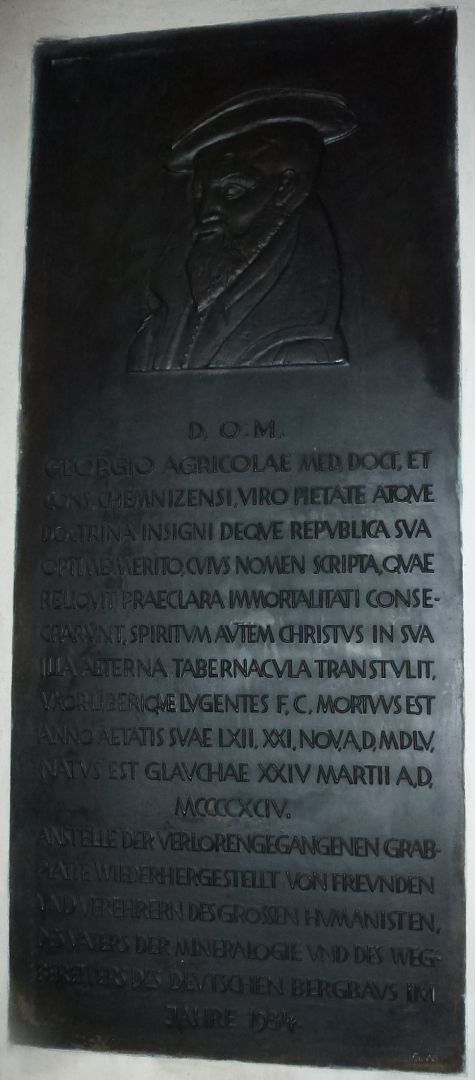
Georg Agricola (1494–1555) was a German scholar and physician whose detailed studies of mining, minerals and metallurgy laid foundations for modern mineralogy and mining engineering.
Overview
Georg Agricola (born 1494 — died 1555) was a scholar and scientist from what is now Germany. His Latinized name masks his original surname, Bauer. Agricola combined classical learning and practical observation to study the natural materials and technologies used in mining, earning him the informal title "father of mineralogy".
Image gallery
5 Images

Background and approach
Agricola trained in the humanistic and medical traditions of his time and worked as a physician in central European mining districts. That position gave him direct access to shafts, furnaces and the people who worked them. He emphasized careful description, mechanical explanation and the correction of legend and superstition: methods that moved studies of the earth toward systematic observation and away from purely speculative accounts.
Major works and subjects
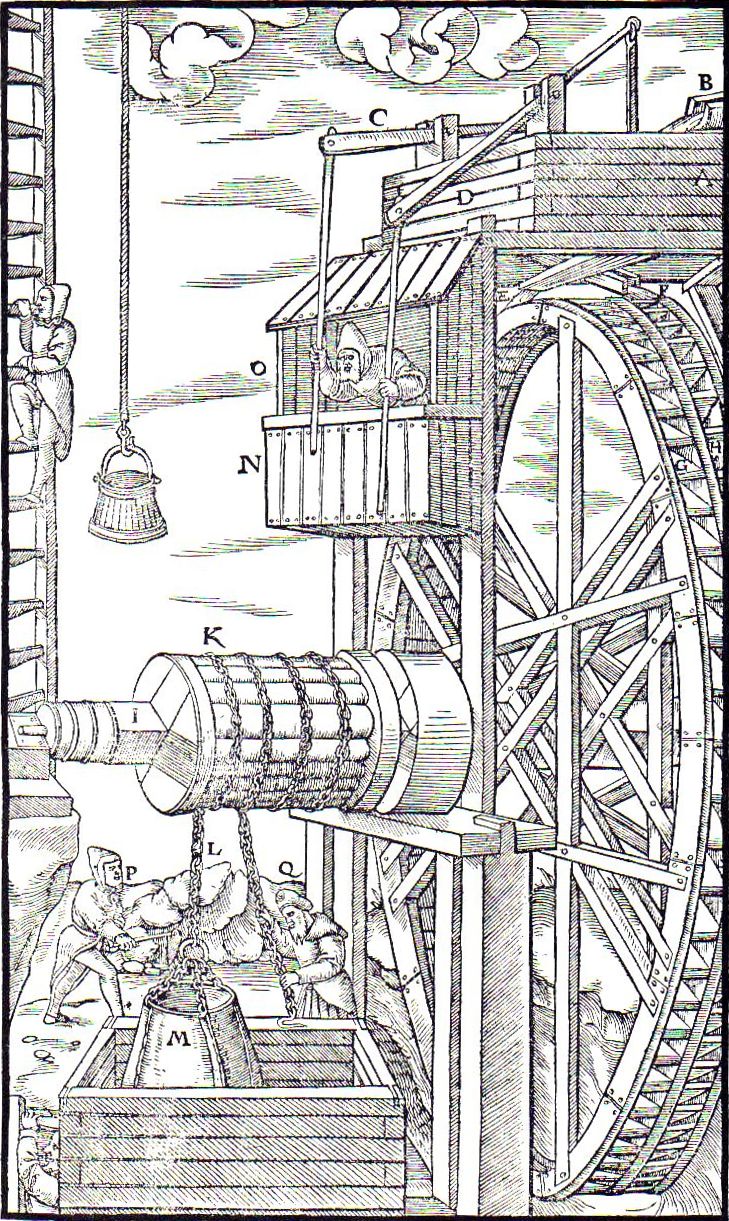
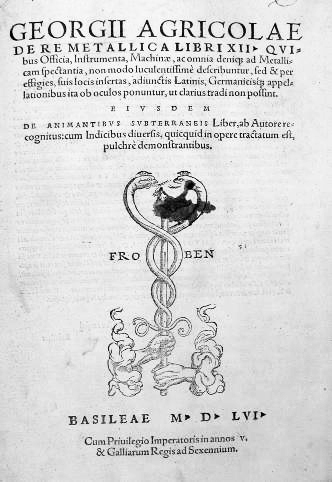
Two of Agricola's texts shaped later science. De Natura Fossilium (1546) organized and described minerals and their properties, including what contemporaries called stones and gems. His collective study of extraction and processing techniques appeared in the comprehensive De Re Metallica (published posthumously in 1556), which documents the tools, ventilation, ore dressing and smelting practices of early modern mines. Many of his technical descriptions concern mining methods and the industrial devices that improved safety and productivity.
Impact and legacy
Agricola's insistence on first-hand inspection and clear illustration influenced both natural history and engineering. Later generations drew on his classifications and practical observations as mining became more scientific and mechanized. His writing also helped to separate empirical geology and mineralogy from alchemical speculation.
Further reading
- Biographical summaries and modern introductions to his work.
- Translations and annotated editions of De Re Metallica and De Natura Fossilium offer accessible commentary for today's readers. See publishers and academic treatments via reference listings.
- Overviews of historical mining technology and early mineral classification are available through museum catalogues and technical histories (research guides).
Related articles
Author
AlegsaOnline.com Georg Agricola: pioneer of mineralogy and mining science Leandro Alegsa
URL: https://en.alegsaonline.com/art/38157