
Georg Katzer — German composer and pioneer of electronic music (1935–2019)
Georg Katzer (1935–2019) was a German composer who advanced electronic and contemporary music in the GDR and reunited Germany, combining acoustic and electroacoustic techniques, teaching and leading musical organisations.
Overview
Georg Katzer (10 January 1935 – 7 May 2019) was a German composer, teacher and organiser who became one of the most visible advocates of electronic and contemporary music in the German Democratic Republic and, after 1990, in reunified Germany. Born in Habelschwerdt in Lower Silesia, he studied composition with established teachers and went on to create a diverse body of work that includes concert pieces, electroacoustic compositions, radio plays, theatre music and sound installations. He died in Berlin on 7 May 2019 at the age of 84.
Image gallery
1 Image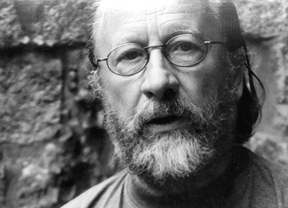
Early life and education
Katzer trained in composition in the post‑war period and was a pupil of notable figures in German musical life. His training combined traditional compositional technique with an openness to modernist and avant‑garde practices. This foundation informed his later interest in new media and the integration of technological processes into musical composition.
Musical style and methods
Throughout his career Katzer worked at the interface of acoustic instruments and electronic media. He used tape, synthesis and computer‑assisted processes alongside conventional ensembles and soloists to expand timbre and form. His pieces often explore contrasts between fixed electronic material and live performance, and he wrote both abstract concert works and pieces conceived for radio and stage. Critics and colleagues have noted his pragmatic approach to technology: he adopted new tools when they supported musical ideas rather than for their own sake.
Genres and notable output
- Chamber works and orchestral pieces that incorporate electronic sounds or processed instrumental material
- Electroacoustic works, tape pieces and studio productions intended for concert and radio presentation
- Music for theatre, film and radio plays reflecting a sensitivity to dramatic timing and sound design
- Installations and sound art projects that engage with spatial and broadcast contexts
Career, teaching and institutional roles
Beyond composing, Katzer played an active role in professional organisations and in creating opportunities for younger composers to work with emerging technologies. He held teaching posts and was a professor at the Academy of Arts in Berlin, where he taught composition and electronic music. Over decades he served in leadership roles within composers' associations and cultural institutions first in the GDR and later in the unified German cultural scene, helping to shape policies for contemporary music and media-based practice.
Influence and legacy
Katzer is remembered as a mentor to younger generations of composers and as a central figure in the establishment of electronic music practices in East Germany. His advocacy helped make electroacoustic methods more visible to wider audiences and to integrate studio practice into academic and public musical life. While rooted in 20th‑century modernism, his work continued to respond to technological change and to the shifting contexts of performance and broadcast.
Awards and recognition
During his long career Katzer received a range of honours and prizes recognising both artistic achievement and cultural leadership. His contributions were acknowledged by institutions, peers and the communities of composers and performers who worked with electronic media.
Further reading and resources
For biographical summaries, catalogues of works and recordings consult the following: biography and overview, catalogue of works and selected recordings. Contemporary commentary and obituary material can be found at recent articles and memorials. These resources provide entry points to Katzer's scores, taped works and documentation of performances.
Selected works, exact dates and detailed bibliographies are available in specialist catalogues and institutional archives; readers seeking performance materials or academic analysis should consult music libraries and the archives of institutions where Katzer taught and held posts.
Related articles
Author
AlegsaOnline.com Georg Katzer — German composer and pioneer of electronic music (1935–2019) Leandro Alegsa
URL: https://en.alegsaonline.com/art/38163
Sources
- tagesspiegel.de : "Zum Tod des Komponisten Georg Katzer: Immer gesprächsbereit"