
General Atomics MQ-1 Predator
The MQ-1 Predator is a U.S. unmanned aerial vehicle used for intelligence, surveillance, reconnaissance and light strike missions; notable for long loiter time and use of the AGM-114 Hellfire missile.
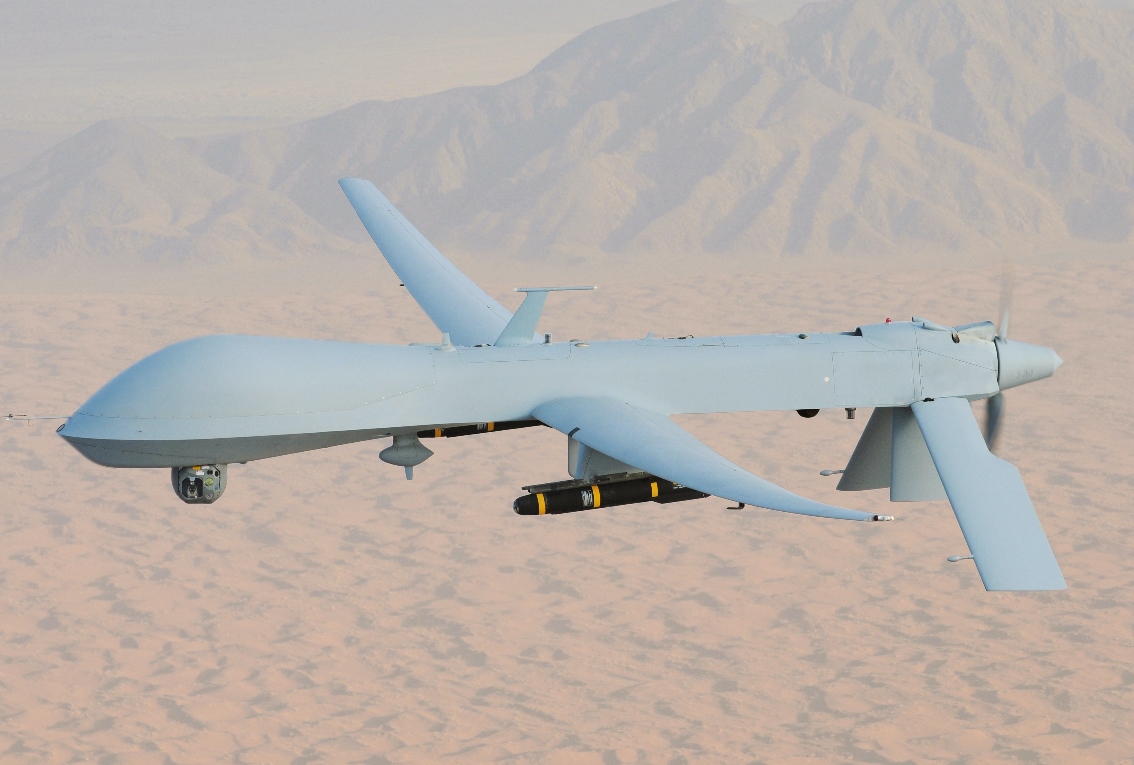
The General Atomics MQ-1 Predator is a long-endurance unmanned aerial vehicle (UAV) developed for persistent observation and, later, precision strike. Originally fielded to improve battlefield awareness, it became a defining platform for remotely piloted operations and changed modern approaches to intelligence, surveillance and reconnaissance (ISR) and limited strike missions (light attack).
Image gallery
10 Images



Design and characteristics
The Predator is a relatively small, propeller-driven aircraft powered by a single engine; it is commonly described as a single-engine platform. It is built for endurance rather than speed, with aerodynamic wings and fuel-efficient propulsion that allow long periods of loitering over an area of interest. Onboard systems include electro-optical and infrared cameras, communications relays, and datalinks that permit remote crews to control sensors and weapons from thousands of miles away.
Armament and sensors
The MQ-1 was adapted to carry precision-guided weapons and is most often associated with the AGM-114 Hellfire family of light anti-armor missiles. The weapon commonly fitted to the Predator is the AGM-114 Hellfire, a lightweight air-to-surface missile used for targeted strikes; discussions of the missile itself and related variants appear under the term Hellfire. Typical sensor packages include stabilized gimbaled cameras, infrared imagers and laser designators for target acquisition.
Operational history and employment
Introduced in the 1990s, the Predator saw extensive operational use in overseas conflicts, most notably in Afghanistan and Iraq, where it provided persistent ISR and conducted precision engagements. Both the U.S. Air Force and intelligence services operated Predators; remote pilots and sensor operators worked in crew pairs to conduct surveillance, battlefield reconnaissance and strike tasks. The platform influenced tactics for counterinsurgency, counterterrorism and target development.
Operators and legacy
Beyond U.S. service, several allied countries have acquired Predator systems or variants. International operators include nations such as Italy and Morocco, and other partners have operated related General Atomics products. Over time the MQ-1 has been largely succeeded by larger, more capable unmanned systems like the MQ-9 Reaper, but its role in demonstrating the value of persistent remotely piloted aircraft remains influential.
Roles, common payloads and notable facts
- Primary roles: persistent ISR, target identification, limited precision strike.
- Common payloads: EO/IR cameras, laser designator, signals intelligence packages and Hellfire missiles.
- Operational features: remote piloting from ground control stations, satellite communications, and long on-station times that changed how commanders planned surveillance and strike missions.
- Legacy: helped mature doctrine for unmanned operations and sparked international debate over legal, ethical and command-and-control issues connected to remote strikes.
For more technical specifications, deployment histories, and program details, consult authoritative defense and aviation references or official manufacturer and military sources. Additional background and resources are available through related pages and archives (platform overview, ISR doctrine, strike roles).
Related articles
Author
AlegsaOnline.com General Atomics MQ-1 Predator Leandro Alegsa
URL: https://en.alegsaonline.com/art/37936