
GM Lambda platform
Full‑size unibody crossover platform by General Motors introduced mid‑2000s for three‑row CUVs including Buick Enclave, GMC Acadia, Saturn Outlook and Chevrolet Traverse; succeeded by C1XX architecture.
Overview
The GM Lambda platform is a full‑size unibody crossover architecture developed and used by General Motors to underpin a family of three‑row sport‑utility and crossover vehicles. Introduced to the public in the mid‑2000s, the platform was intended to combine car‑like ride and handling with the interior space and packaging needed for families, providing an alternative to both minivans and truck‑based SUVs.
Image gallery
6 Images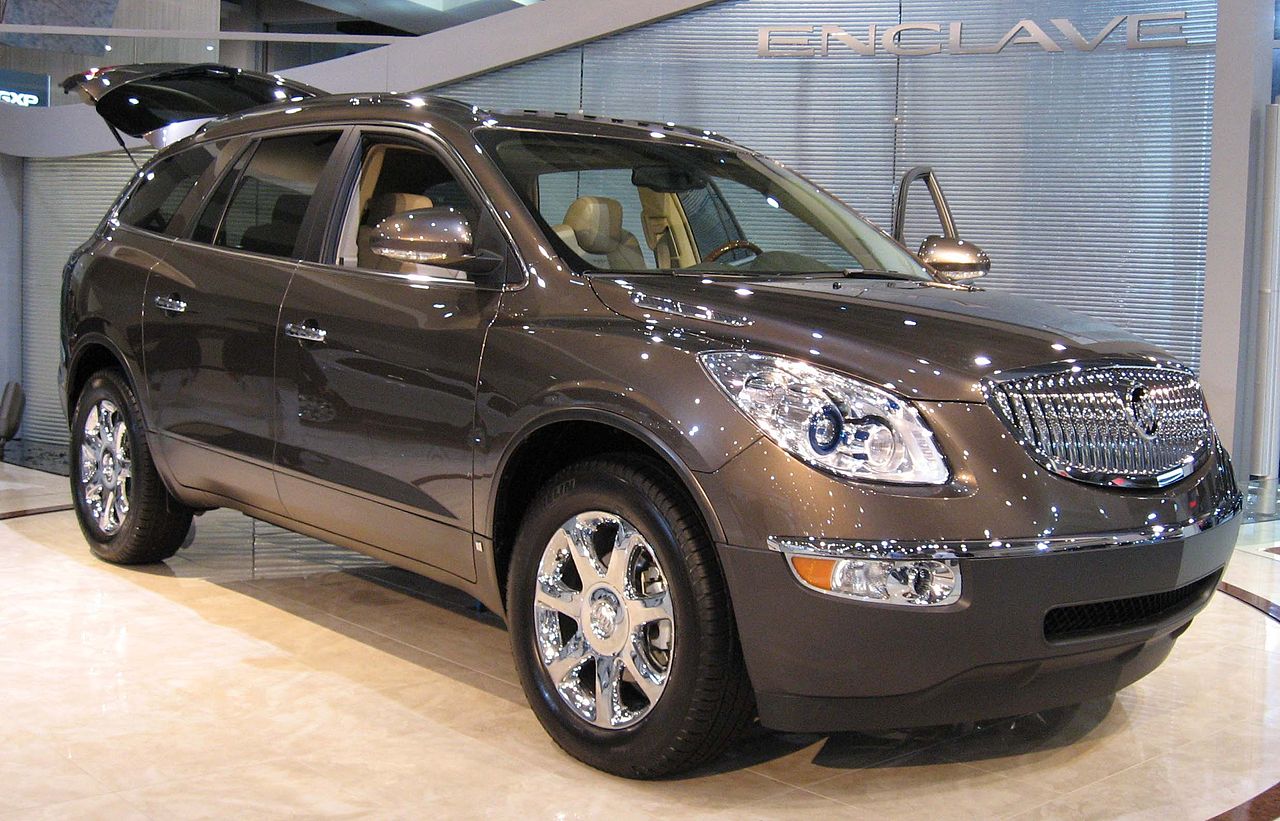



Design principles and structure
Lambda uses unibody construction and packaging strategies derived in part from GM’s earlier architectures. Engineering work drew on lessons from platforms such as Epsilon to scale structural concepts for larger vehicles and longer wheelbases. The platform was designed to accept transverse engine installations and both front‑drive and all‑wheel‑drive systems, with suspension tuning and body stiffness targets focused on comfort, crash performance and predictable handling for larger CUV bodies.
Model introductions and timeline
GM previewed Lambda derivatives through concept vehicles and show appearances before series production. The Buick Enclave concept was shown at major auto shows in 2006 and helped introduce the packaging intent. Production Lambda models entered the market in the late 2000s as GM consolidated earlier vehicle lines: the Saturn Outlook and GMC Acadia were among the first to reach production, followed by the Buick Enclave and the Chevrolet Traverse, each aimed at different buyer segments within the three‑row crossover market.
Primary models
- Buick Enclave — positioned as a near‑luxury three‑row crossover with emphasis on interior refinement.
- GMC Acadia — marketed with a more rugged, truck‑inspired image but sharing the same basic underpinnings.
- Saturn Outlook — Saturn brand large CUV introduced during the brand’s final years.
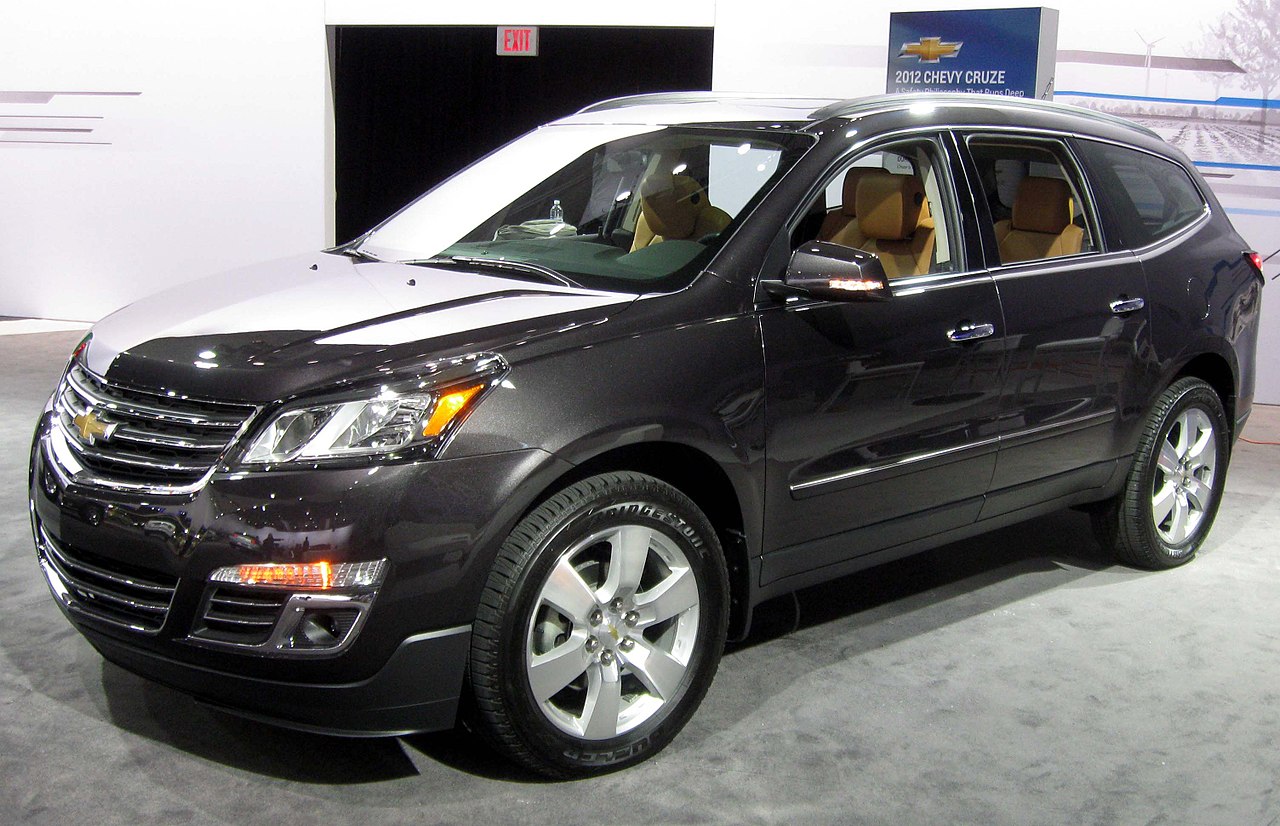
- Chevrolet Traverse — Chevrolet’s high‑volume three‑row offering on the Lambda architecture.
Powertrains and mechanical notes
Lambda vehicles were equipped primarily with V6 engines in the 3.5–3.6 litre range. Early models used the LY7 3.6‑litre V6, while later Lambda derivatives adopted GM’s 3.6‑litre direct‑injection variants for improved fuel efficiency and torque characteristics. The platform was not generally oriented toward V8 installations, reflecting its focus on passenger comfort, packaging and everyday drivability rather than heavy towing capacity. Transverse powertrain packaging allowed for front‑wheel‑drive as standard with available AWD systems.
Interior packaging and features
One of Lambda’s chief strengths was interior packaging: the platform was engineered to provide easily accessible third‑row seating and flexible cargo arrangements. Designers emphasized a low load floor, broad cabin cross sections and fold‑flat second‑ and third‑row seats to maximize usable space. Higher‑trim variants often included features such as premium materials, advanced infotainment and driver convenience equipment to compete in the mid‑to‑upper crossover segments.
Manufacturing, content and market perception
Several Lambda models were built in North American plants and attracted attention for their domestic content. Analyses of American‑made content, such as work produced at American University, used indices and methodologies to estimate the proportion of parts and labor originating in the United States. The DuBois index and related studies (methodology and considerations of parts and labor) often ranked Lambda‑based CUVs among models with relatively high U.S. content, a point frequently cited in discussions of manufacturing and market identity.
Commercial role and successor
Lambda crossovers helped GM shift its lineup away from separate minivan and truck‑based SUV offerings toward larger unibody CUVs that catered to family buyers seeking three‑row seating. As vehicle architecture technology advanced, GM moved to more modular and material‑efficient designs. The Lambda family was later superseded in GM’s product plans by newer modular platforms such as the C1XX architecture, which was intended to deliver improved weight, stiffness and manufacturing flexibility across a range of full‑size crossovers.
Legacy
Although the brands and badges of some Lambda models have changed or been retired, the engineering emphasis on interior packaging, safety, and a carlike driving experience in a three‑row format influenced subsequent GM designs. Lambda remains an example of GM’s mid‑2000s response to growing market demand for family‑oriented unibody crossovers, and its vehicles continued to be referenced in industry and consumer discussions about domestic manufacturing content and platform consolidation.
For further manufacturer details and model specifications, see the general discussion of the Lambda platform and related model pages for Chevrolet Malibu and the various Lambda derivatives.
Related articles
Author
AlegsaOnline.com GM Lambda platform Leandro Alegsa
URL: https://en.alegsaonline.com/art/39301
Sources
- autoevolution.com : "General Motors Vehicle Platforms Explained from the Gamma to the All-New GM Omega Platform"
- gmauthority.com : "GM Lambda Vehicle Platform"
- autoblog.com : "GM Lambda crossovers are the most American Made according to new index"
- commons.wikimedia.org : GM Lambda platform