
Gay bar (LGBT social and cultural venues)
A gay bar is a drinking and social venue that primarily serves lesbian, gay, bisexual and transgender patrons; historically a safe space, cultural hub, and site of community organizing and nightlife.
Overview
A drinking establishment commonly described as a gay bar is a public venue that caters primarily to lesbian, gay, bisexual and transgender people and their allies. The term gay is often used as an inclusive label for the broader LGBT community, though separate terms persist: some venues are known as a boy bar, a girl bar, or a lesbian bar. Such places range from quiet neighborhood pubs to lively dance clubs and performance spaces, and they may emphasize nightlife, culture, or community support.
Image gallery
10 Images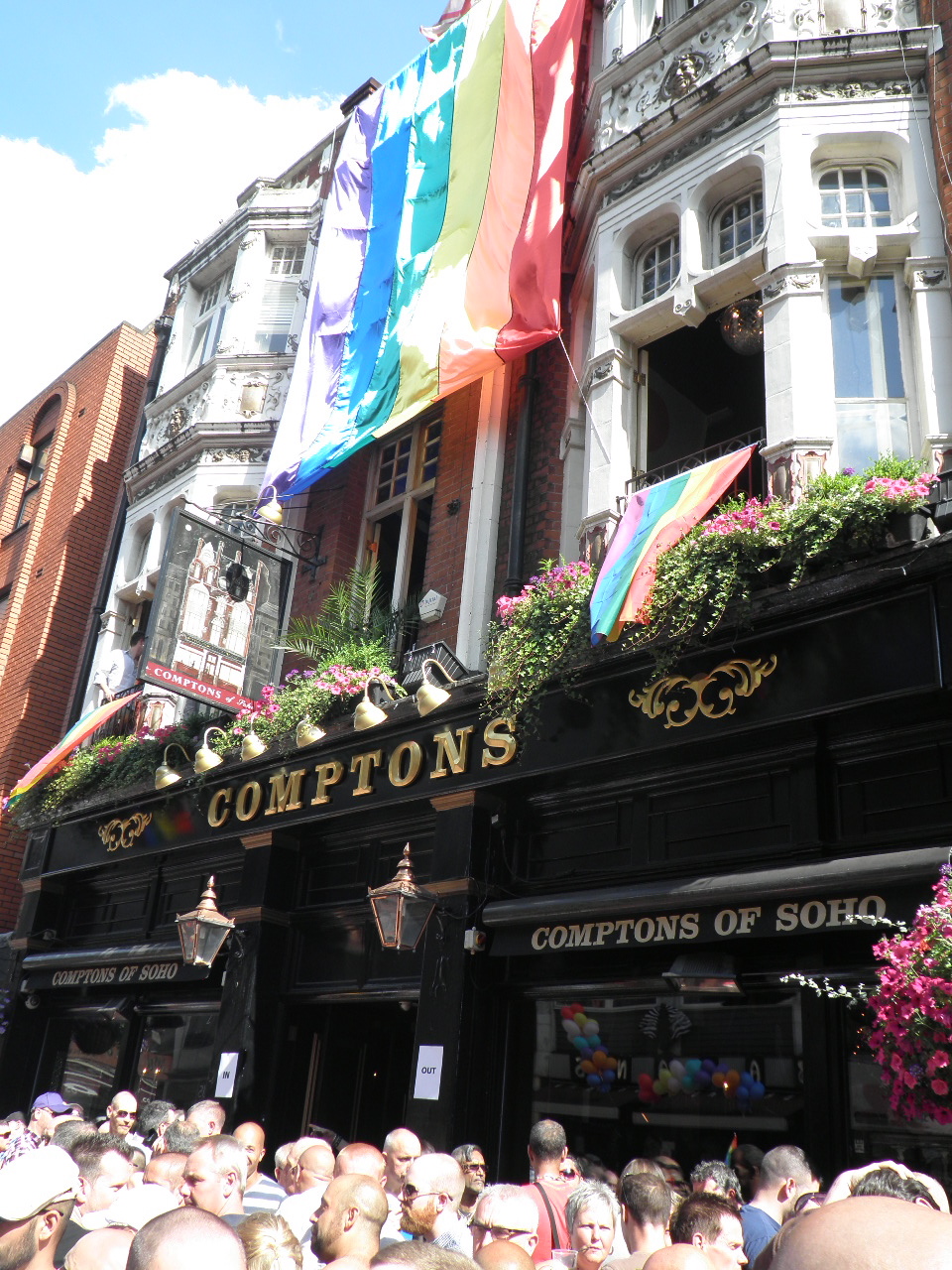


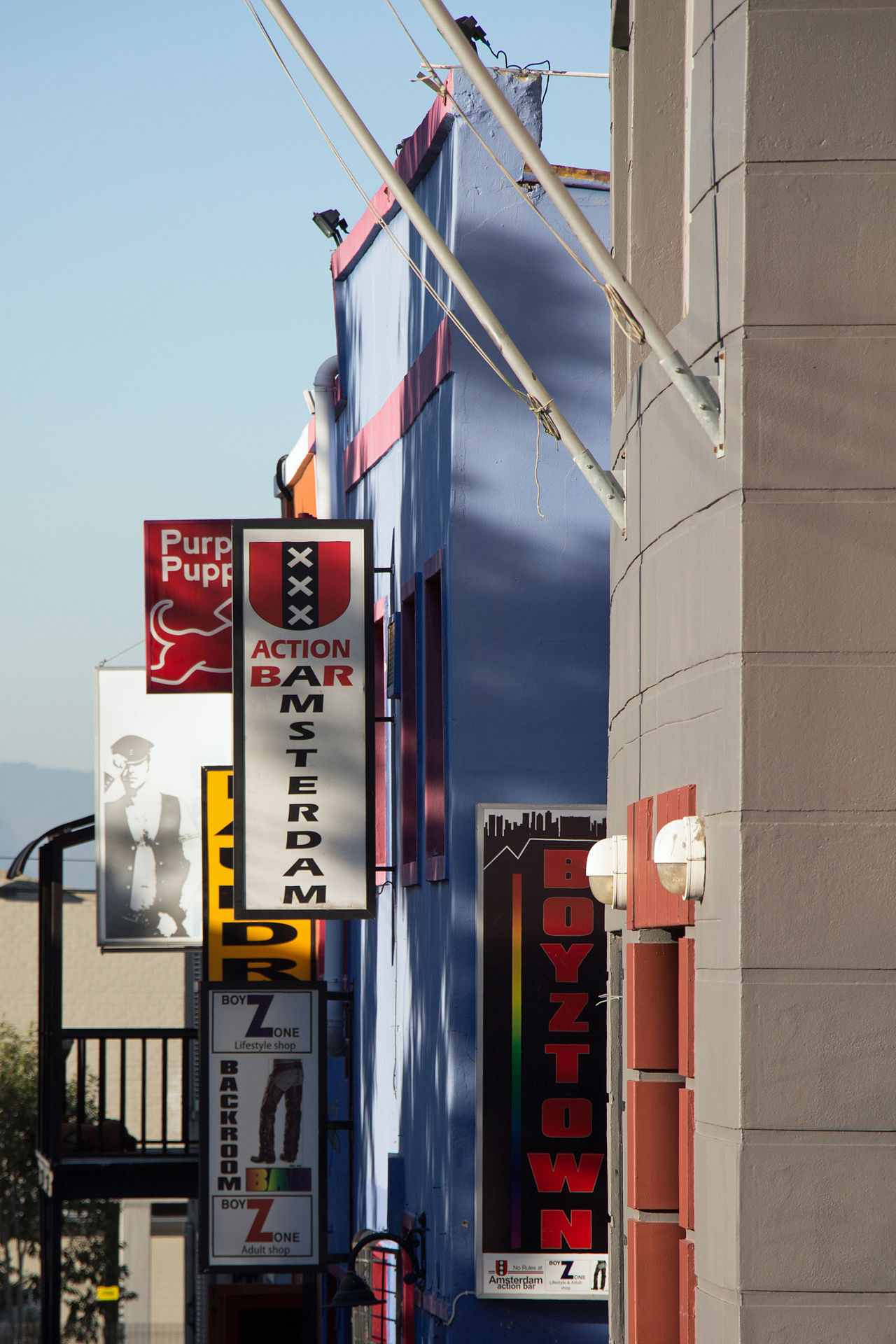


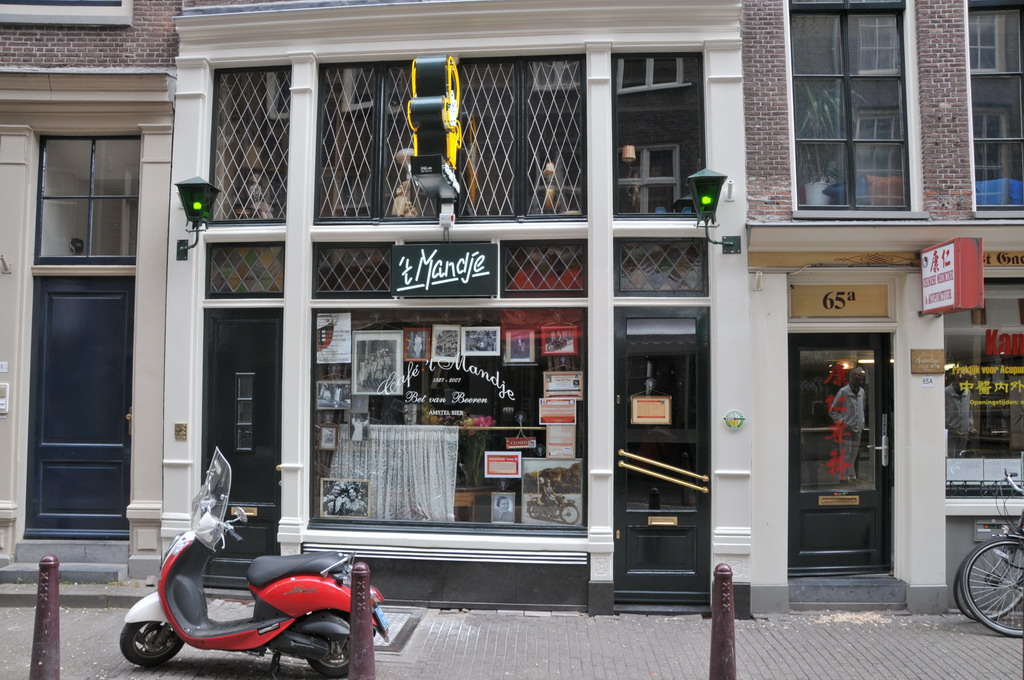

Characteristics and activities
- Physical features frequently include a bar counter, seating, a dance floor or stage, sound and lighting systems, and noticeboards with community information.
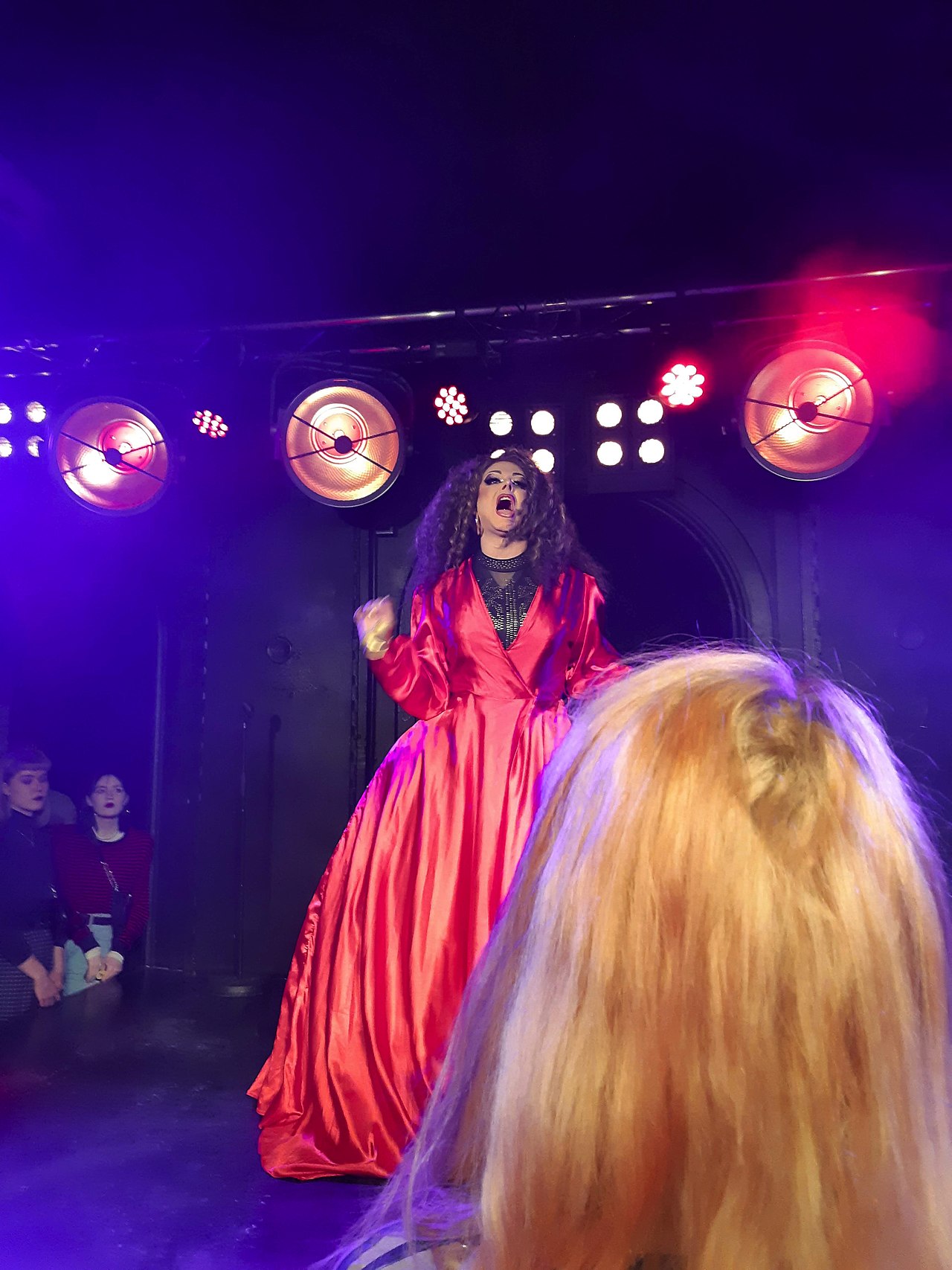
- Programming often includes DJ nights, live music, drag performances, karaoke, theme parties, trivia, and sports-viewing events tailored to patrons.
- Many venues host charity fundraisers, meetings for local groups, or information sessions about health and legal resources, acting as informal community hubs.
History and social role
Historically, gay bars were among the few public spaces where gender- and sexuality-diverse people could meet openly and form social networks. In many countries they provided relative privacy and solidarity in eras when same-sex relationships were criminalized or heavily stigmatized. They also became centers for cultural expression, musical and performance traditions, and political organizing. A notable example is the Stonewall Inn in New York City, a site associated with protests that helped catalyze the modern gay rights movement.
Contemporary trends and challenges
In recent decades broader social acceptance, legal protections, and online social networks have changed how people meet and organize. Some gay bars have diversified their offerings or broadened their marketing to attract mixed clientele; others have closed due to rising rents, changing demographics, or competition from mainstream venues. Scholars, activists, and community members have noted particular shortages of spaces dedicated to women, trans people, people of color, and younger or older LGBT groups in some regions, prompting efforts to preserve and create inclusive venues.
Variations and community significance
Gay bars are not monolithic: they include dive bars, cocktail lounges, leather and fetish venues, sports bars, queer youth spaces, and nonprofit or cooperative models. Some prioritize nightlife and entertainment, while others emphasize support services, mutual aid, or political meetings. Across kinds and places, these venues have played a continuing role in identity formation, cultural production, and the maintenance of local LGBT communities.
Related articles
Author
AlegsaOnline.com Gay bar (LGBT social and cultural venues) Leandro Alegsa
URL: https://en.alegsaonline.com/art/37781
Sources
- entrepreneur.com : "10 Businesses Facing Extinction"
- slate.com : "Gay bars"