
Stonewall Inn: site, history, and legacy of a turning point in LGBT history
The Stonewall Inn is a Greenwich Village bar in New York City known as the flashpoint of the 1969 Stonewall riots; it later became a symbol and protected landmark of the LGBT rights movement.
Overview
The Stonewall Inn is a small bar in Manhattan's Greenwich Village that became internationally known after a series of protests in late June 1969. Long before those events, it functioned as a neighborhood tavern frequented by a diverse clientele, including gay and lesbian patrons who had few safe social spaces at the time. The building and the events associated with it have been widely cited as a catalyst for modern activism for sexual minorities.
Image gallery
10 Images


Physical place and character
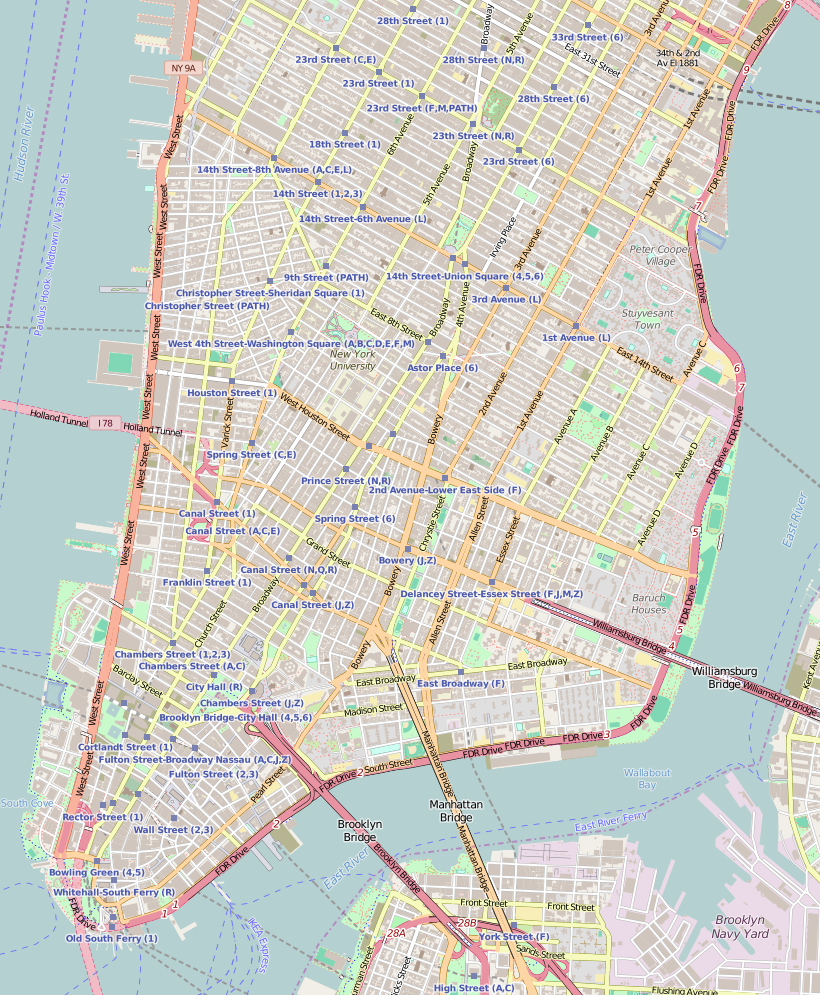
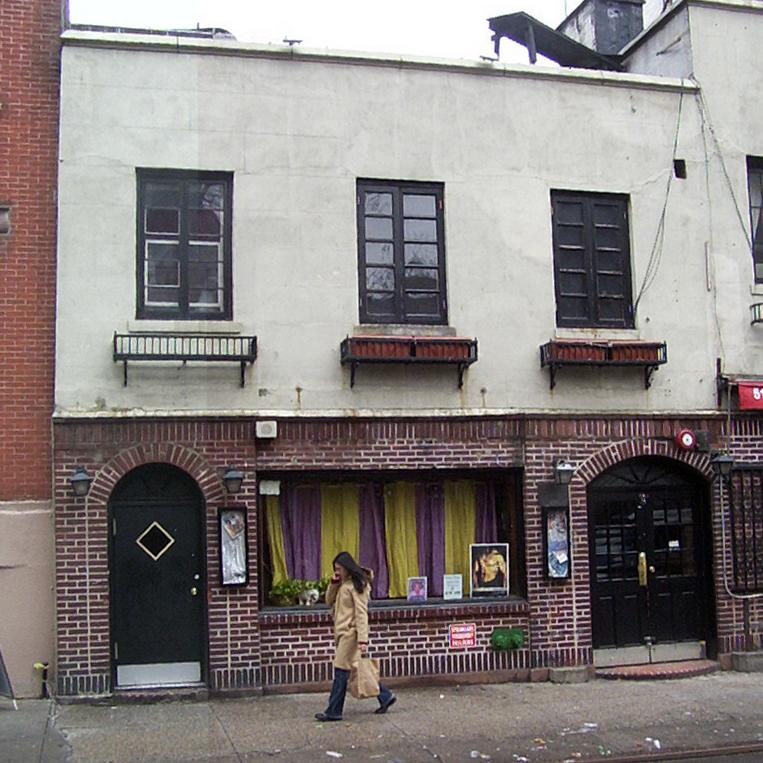
The Inn occupies a modest storefront in Greenwich Village. Its plain exterior belies the role it played as an informal gathering place. Over the decades the site has been altered, closed, and reopened; a venue using the Stonewall name returned in the western portion of the original address in the 1990s. Visitors today encounter a mix of commemorative plaques and a working neighborhood bar atmosphere.
1969 uprising and immediate aftermath
In June 1969, a police raid and the ensuing confrontations outside the bar sparked several nights of demonstrations and clashes between law enforcement and patrons and neighbors. Those confrontations — widely known as the Stonewall riots — are often described as a turning point because they helped shift disparate local advocacy into a more visible, politically organized movement. The disturbances prompted community organizing, new activist groups, and annual commemorations that evolved into Pride events.
Legacy, recognition, and distinctions
The Stonewall site has been formally recognized for its historical importance. Local landmark status was granted in 2015 in acknowledgment of its central role in the struggle for rights and visibility, making it the first New York City landmark designated explicitly for its connection to sexual minority history. Federal recognition followed, and the name functions as both a memorial and a living venue linked to broader changes in civil rights and popular culture.
Importance and cultural impact
Stonewall's significance extends beyond a single building. It helped catalyze organizations, publications, and campaigns that broadened demands for anti-discrimination protections, health services, and social acceptance. The site is frequently referenced in discussions about identity, protest, and how marginalized communities create public space. Museums, scholarship, and public education programs use Stonewall as an entry point to the history of sexual diversity and civil liberties.
Visiting and further reading
Today the location remains a point of interest for tourists and scholars alike. Those seeking more information can consult local archives, community centers, and historical exhibits. The Stonewall Inn's story is intertwined with the life of New York City and with ongoing debates within the broader LGBT movement. For site-specific details, note that part of the original structure was reopened in the western half of the block in the 1990s, and the name continues to appear in histories and guides to the neighborhood.
- Key events: police raid, spontaneous protests, formation of activist groups
- Outcomes: growth of organized LGBT advocacy, annual Pride observances
- Status: commemorated landmark and active social venue
Related articles
Author
AlegsaOnline.com Stonewall Inn: site, history, and legacy of a turning point in LGBT history Leandro Alegsa
URL: https://en.alegsaonline.com/art/94061
Sources
- theculturetrip.com : "Why New York City Is a Major Destination for LGBT Travelers"
- nps.gov : "Workforce Diversity The Stonewall Inn, National Historic Landmark National Register Number: 99000562"
- nytimes.com : "Stonewall Inn Named National Monument, a First for the Gay Rights Movement"
- s-media.nyc.gov : Stonewall Inn Designation Report
- tps.cr.nps.gov : "Stonewall"
- northjersey.com : "NYC Grants Landmark Status to Movement Building"