
Gay bashing
Intentional harassment or violence directed at people because of their actual or perceived sexual orientation or gender identity; includes bullying, assault, and online abuse and has social, legal, and health consequences.
Gay bashing describes verbal, physical or other hostile actions taken against a person or group because of actual or perceived sexual orientation or gender identity. The term covers a range of behaviors from insults and humiliation to threats, vandalism, and physical assault. It is closely linked to prejudice and stigma directed at lesbian, gay, bisexual, transgender and other queer people.
Image gallery
2 Images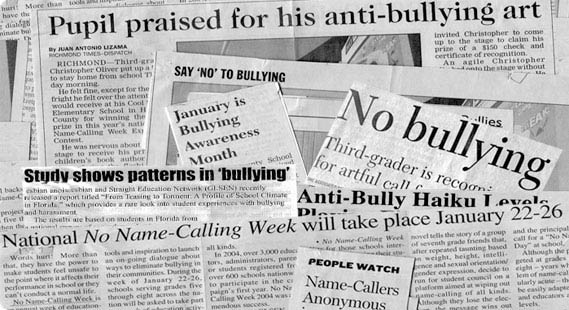

Forms and characteristics
Manifestations of gay bashing include:
- Verbal harassment, slurs and intimidation in public places or schools.
- Physical attacks and property damage motivated by bias.
- Cyberbullying: doxxing, threats and sustained online abuse.
- Institutional or systemic discrimination that enables hostile conduct.
These acts can be opportunistic or targeted, committed by individuals or groups, and they often overlap with other forms of bullying and hate-motivated violence.
Scope and impact
Research consistently finds that people who are lesbian, gay, bisexual or transgender experience higher rates of harassment and bullying than non-LGBT peers. Young gay men, in particular, are frequently reported as more likely to be targeted during adolescence. Victims may suffer short- and long-term effects including injury, psychological trauma, anxiety, depression, school avoidance, and reduced access to services.
Origins and social context
Gay bashing arises from social stigma, cultural norms, misunderstanding and sometimes criminal intent. Public awareness and language for describing bias-motivated attacks expanded during the late 20th century as advocacy groups, researchers and media began documenting patterns of violence and discrimination against sexual minorities.
Responses and prevention
Efforts to prevent and respond include anti-bullying policies in schools, hate-crime laws, community education, bystander intervention training, and support services for survivors. Reporting, legal accountability and culturally competent mental-health care are important for reducing harm. Information and assistance are often available through advocacy organizations and educational programs: support and advocacy resources and educational materials and prevention guides.
Distinguishing gay bashing from ordinary disagreement is important: bias-motivated acts target identity and aim to demean or exclude. Addressing the problem requires coordinated legal, educational and social efforts to reduce prejudice and protect vulnerable people.
Related articles
Author
AlegsaOnline.com Gay bashing Leandro Alegsa
URL: https://en.alegsaonline.com/art/37782
Sources
- simple.wiktionary.org : headlines
- villagevoice.com : "Schools Ignore Gay Bullying at Their Own Peril,"
- nlm.nih.gov : "For Most Bullied Gay Kids, Things Do 'Get Better,' Study Finds" at nlm.nih.gov