
Boy
A boy is a young male human, typically a child or adolescent. This article explains biological development, social roles, cultural variations, etymology, and distinctions between sex, gender, and age.
Overview
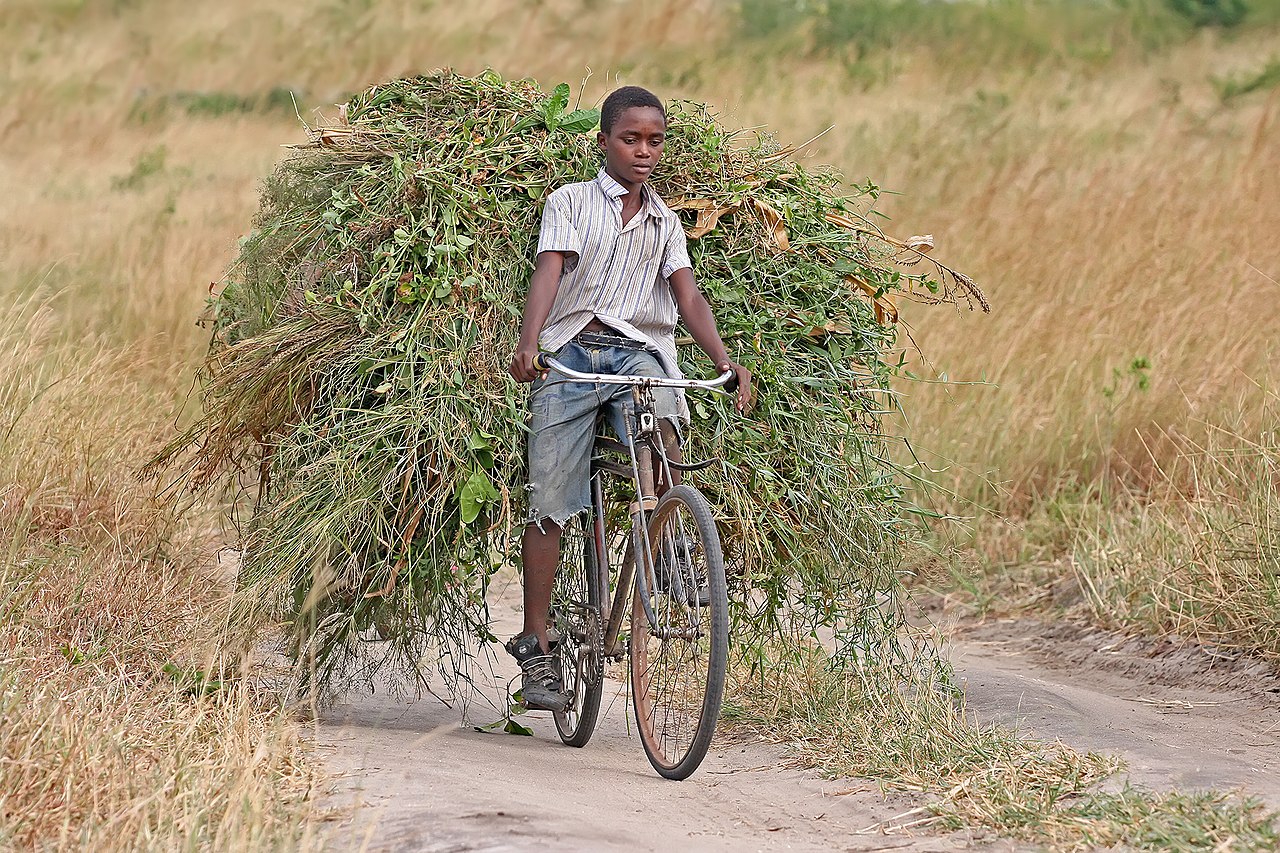
A boy is commonly defined as a young male human, usually in the stage of childhood or adolescence rather than adulthood. In everyday language the term covers a wide age range: from an infant or small child to a teenager. When contrasting terms are needed, the conventional counterpart is a girl, though social and biological nuances are important.
Image gallery
9 Images



Development and biology
Biologically, boys are typically identified by sex characteristics present at birth, and their bodies undergo marked change during puberty. Pubertal development brings growth of stature, deepening of the voice, and the development of secondary sexual characteristics. Over time these changes lead to physical maturity and, in most societies, transition to the status of man. The precise timing and progression of these changes vary by individual.
Age categories and legal status
In many contexts the word also carries an age component. A boy may be described as a child or a teenager depending on age and development. Legal definitions of childhood and the age of majority differ between jurisdictions; in most countries a boy becomes an adult under the law at a specified age, commonly 18, but this can vary.
Social roles and culture
Expectations about behaviour, schooling, play, work and rites of passage differ across cultures and historical periods. Social norms often prescribe different toys, clothing and activities for boys and girls, though these patterns change over time and are debated. Education, family roles and sports are frequent arenas where distinctions and expectations for boys are defined.
Distinctions and notable points
Important distinctions include biological sex versus gender identity: some people assigned male at birth do not identify as boys, and some who identify as boys were assigned female at birth. Gender identity, cultural role, and legal classification are separate concepts that may overlap but are not identical. The English word "boy" has deep roots in the language; it appears in historical forms dating back to Anglo-Saxon and Middle English usage.
Summary
As a social and biological category, "boy" denotes young males in human societies but its exact meaning depends on age, development, cultural practice and personal identity. For a concise definition and related topics, see entries on male, human development, and distinctions between opposite categories.
Questions and answers
Q: What is a boy?
A: A boy is a young male human, either a child or teenager.
Q: At what point does a boy's body start to mature?
A: It is not until they reach puberty (adolescence) that their bodies start to mature and they become a man.
Q: What is the origin of the word "boy"?
A: The word "boy" was used a long time ago in Anglo-Saxon English.
Q: What is the opposite of a boy?
A: The opposite of a boy is a girl.
Q: Do little boys have the body of a child?
A: Yes, little boys still have the body of a child.
Q: At what age do boys become men?
A: Boys start to become men at the onset of puberty, but the exact age may vary.
Q: What age range do boys typically fall into?
A: Boys typically fall into the age range of childhood and teenage years.
Related articles
Author
AlegsaOnline.com Boy Leandro Alegsa
URL: https://en.alegsaonline.com/art/13512