
Gender role: social expectations, history, and cultural variation
An overview of gender roles: their social meaning, historical development, cultural differences, expressions, and debates about causes and change.
Gender role refers to the set of expectations, behaviours and responsibilities that a society or culture commonly associates with people based on their perceived gender. A concise definition treats gender role as a social construct: learned patterns that guide how individuals present themselves, work, and relate to others. These patterns shape everyday life — from who does particular kinds of labour to how children are raised — and can change over time and across cultures.

Image gallery
10 Images




Key characteristics
Gender roles typically combine several elements: norms about dress and appearance, expectations for behaviour and emotion, occupational roles, and family responsibilities. Common features include:
- Prescriptive norms: what people are expected to do (for example, caring work or paid work).
- Proscriptive norms: what people are discouraged or forbidden from doing.
- Symbolic markers: styles of clothing, hairstyles, and other visible cues that signal gender.
- Role socialization: the process by which families, schools, media and institutions teach these expectations.
History and cultural variation
Historically, gender roles have varied widely. In some hunter-gatherer societies, different subsistence tasks were often divided by sex, with men typically hunting and women typically gathering; social scientists discuss this pattern when describing early division of labour (see). In industrial and post-industrial societies, roles shifted around paid employment, domestic labour, and education. Periods of social change — for example, wartime labour shortages — have produced visible shifts in practice and public attitudes, as in the increased female factory workforce during the Second World War (example).
Not all cultures recognise only two genders. Some societies have long-standing categories beyond a male–female binary, including recognized third-gender roles or culturally specific gender identities. Discussions of androgyny and non-binary categories highlight that gender categories and expected roles are historically and culturally contingent (man / woman / third-gender).
Expression, change, and legal frameworks
Gender expression — the outward presentation of gender through clothing, mannerisms and other behaviors — is distinct from identity but often overlaps; both are shaped by social norms and personal choices (gender expression). International instruments and advocacy frequently argue for eliminating restrictive or harmful role expectations: for instance, the Convention on the Elimination of All Forms of Discrimination against Women addresses the need to remove discriminatory and stereotyped roles from law and practice.
Debates, examples and notable facts
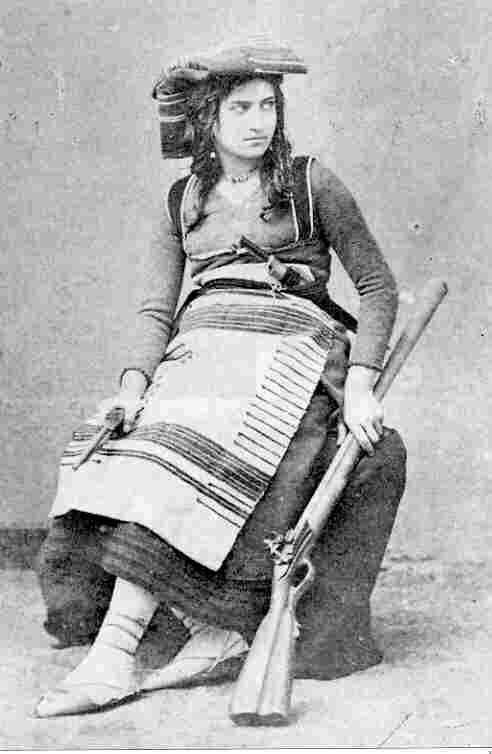
Scholars debate how much of gendered behaviour is shaped by socialization versus biological or personality differences. The tension between nurture and nature appears across disciplines, with research exploring how upbringing, institutions and individual differences interact (debate). Contemporary examples of changing roles include men in nursing and caregiving occupations — illustrated in images of male health workers (male nurse) — and women in traditionally male-dominated fields. Photographs and biographies of individuals who challenged norms, such as female combatants or outliers in professional life, provide concrete instances of role change and resistance (historical example).
Understanding gender roles requires attention to context: roles are not fixed rules but patterns that evolve with economic shifts, legal reforms, social movements, and personal choices. Recognising this variability helps when assessing policies, workplace practices, and educational efforts aimed at greater equality and inclusion.


Related articles
Author
AlegsaOnline.com Gender role: social expectations, history, and cultural variation Leandro Alegsa
URL: https://en.alegsaonline.com/art/37896
Sources
- who.int : "What do we mean by "sex" and "gender"?"
- books.google.com : The Development of Sex Differences
- replay.waybackmachine.org : Sulawesi's fifth gender
- glaad.org : ‘’GLAAD Media Reference Guide, 8th Edition. Transgender Glossary of Terms”