
Gate: definition, types, history and modern uses
A gate is a movable passage through a barrier such as a wall or fence. This article explains forms, components, historical roles, and contemporary uses from garden gates to airport gates.
Overview
A gate is a controlled opening in a barrier that allows passage between two areas. Traditionally it is an operable part of a wall or a fence designed to be opened and closed to admit people, animals, vehicles or goods. A gate may be simple and functional, ornate and symbolic, or mechanized for remote operation. In architecture and transport contexts the word also denotes checkpoints and designated embarkation points.

Image gallery
10 Images


Parts and characteristics
Most physical gates share common components: one or more leaves (the moving panels), hinges or tracks that provide movement, a threshold or sill at the base, and a locking or latching device. Materials range from timber and wrought iron to steel, aluminum and modern composites. Designs vary by purpose—pedestrian gates are lighter and narrower, driveway or service gates are wider and stronger, and security gates incorporate robust frames, locks and sometimes electronic access control.
Types and examples
- Garden and residential gates: ornamental or privacy gates that mark property entry and can be decorative as well as functional. See a typical fence gate example.
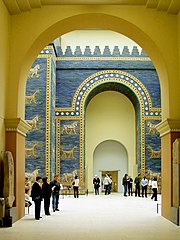
- City and fortification gates: formal openings in defensive walls that historically controlled traffic into a settlement; archaeological examples include monumental structures such as the city gate of ancient cities.
- Industrial and security gates: heavy-duty sliding or cantilever gates used at factories, ports or secure facilities; often integrated with access systems and barriers.
- Automatic and airport gates: mechanized gates used for vehicle entries and the specialized airport gate areas that organize passengers for boarding an aircraft via a controlled threshold or doorway (doorway).

History and cultural role
Gates have long served practical and symbolic functions. In antiquity and the Middle Ages, a gate in a wall or fortification regulated trade, collected tolls and provided defense; ceremonial gates could mark civic status and power. Over time mechanical and material innovations—metalworking, hinged pivots, sliding mechanisms and modern electrification—expanded their performance, safety and convenience. Many historic gates are preserved as architectural landmarks and bear cultural or artistic decorations.
Uses, regulation and distinctions
Today gates are essential in urban planning, property delineation, transport hubs and security. They differ from doors mainly in context—a door normally sits within a building while a gate is part of an outdoor barrier—but usage overlaps. Legal rules often apply to gates, for example planning or safety regulations for highway entrances, fire egress requirements, and access-control standards at airports and ports (see port examples such as Port Gate in Szczecin in Poland). Gates can also be cultural symbols: ceremonial gates mark sacred precincts, memorial sites or university entrances.

Further reading
For more on construction, heritage and contemporary standards, consult resources on walls and fences (walls) and specific transport regulations for terminals and boarding city gateways.
Related articles
Author
AlegsaOnline.com Gate: definition, types, history and modern uses Leandro Alegsa
URL: https://en.alegsaonline.com/art/37711