
Gatehouse: defensive gateway and architectural feature
A gatehouse is a fortified structure controlling access through a gateway to a castle, town or large estate. It combines military, symbolic, and residential roles and evolved from medieval fortification to status architecture.
A gatehouse is a fortified building constructed to control and defend an entrance to a settlement, fortress or private estate. Historically most common in medieval Europe, a gatehouse often formed the most vulnerable and therefore most heavily defended point of a perimeter. Gatehouses appear across many contexts: town and city entrances (urban gates), castle gateways (castles), and the gateways of larger country houses and manors (manor houses, mansion entrances).
Image gallery
8 Images


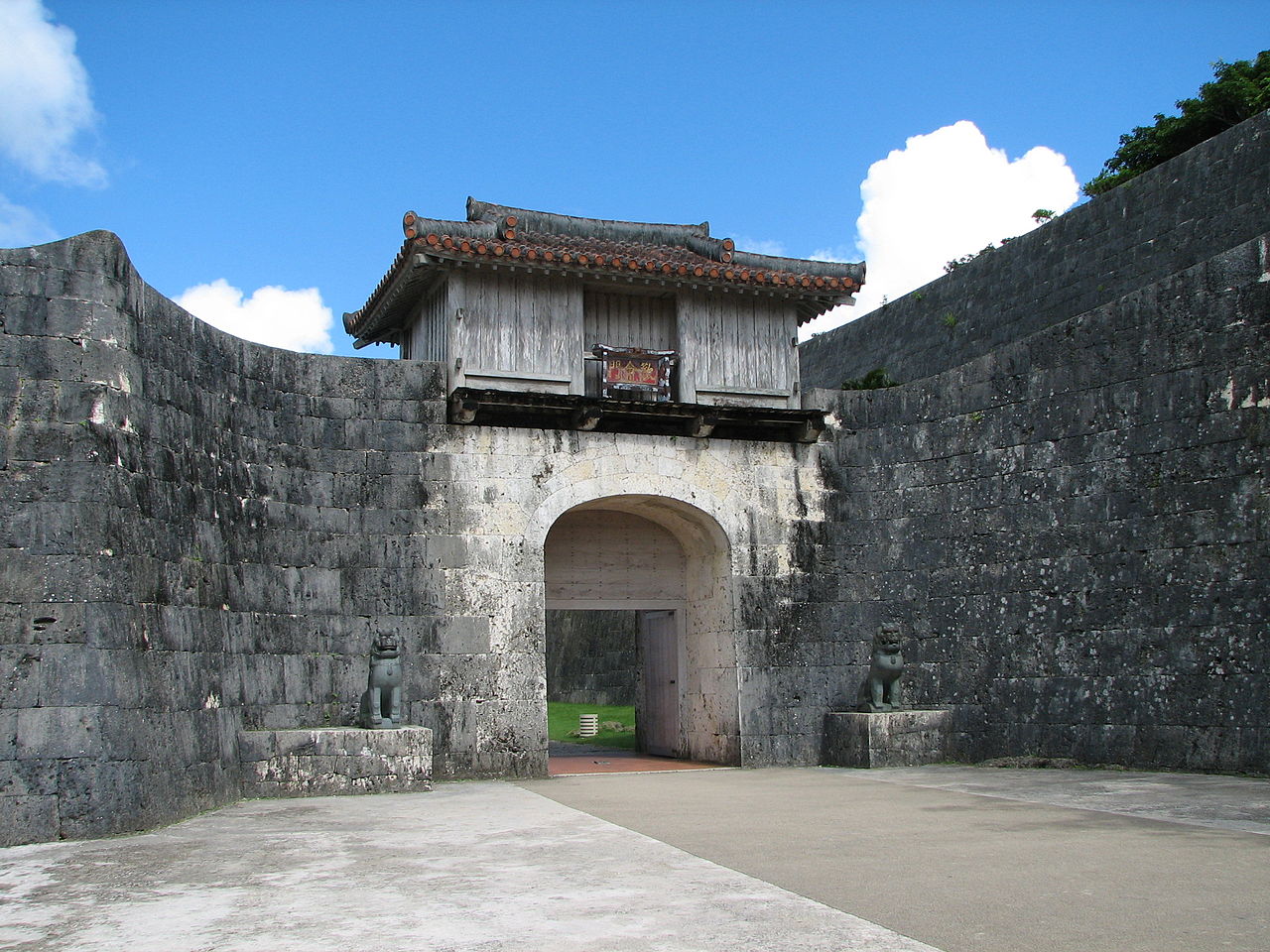


Typical features and layout
Although designs vary with period and region, gatehouses commonly combine multiple defensive and functional elements. Many are set in a projecting gate range and include chambers for guards and gate-keepers as well as mechanisms to impede attackers.
- Entry controls: portcullises, hinged doors, and sometimes drawbridges to span a protective ditch or moat or river approach (rivers).
- Vertical defence: flanking towers, arrow slits and machicolations providing fields of fire into the gateway.
- Internal features: guardrooms, passages with murder-holes and stairs to battlements.
- Approach works: barbicans or bridgeworks built across a bridge or controlled causeway.
Historical development
Gatehouses developed alongside fortification techniques from the early Middle Ages into the late medieval period. Initially purely military, many gatehouses later acquired residential or ceremonial functions as warfare changed. In some regions elaborate gatehouses became a display of status as courts and manorial complexes emphasized grandeur as well as security.
Functions and examples
Beyond defence, gatehouses served administrative and symbolic roles: controlling trade and tolls, housing gatekeepers, acting as customs points and marking territorial limits. They could be built across a river or integrated into riverside defences for a town (towns). Local examples and preserved structures can be found in many parts of Europe, and some famous town gate complexes remain tourist attractions—one often-cited instance is the gate at Monmouth.
Surviving gatehouses range from austere military works to richly decorated domestic gateways. Studying them illuminates changing priorities in defence, administration and architectural taste from medieval fortification to early modern display.
Questions and answers
Q: What is a gatehouse?
A: A gatehouse is a strong building constructed over the gateway to a city or castle.
Q: Where can gatehouses be found?
A: Gatehouses can be found in European castles, manor houses, and mansions.
Q: What was the function of a gatehouse in defending a town?
A: Gatehouses sometimes defended a town by being constructed across a bridge, a river, or a moat, as in Monmouth.
Q: Who were gatehouses mainly built for?
A: Gatehouses were mainly built for the purposes of fortification and defense.
Q: What was the role of a gatehouse in a castle?
A: In a castle, a gatehouse served as a heavily-fortified entrance, limiting access to defenders only.
Q: How were gatehouses constructed to ensure their strength and security?
A: Gatehouses were constructed using strong materials such as stone or brick, often incorporating battlements and arrow slits for additional defensive capability.
Q: What is the historical significance of gatehouses?
A: Gatehouses are important historical structures as they provide insight into the architecture and defense strategies of the past, particularly in medieval Europe.
Related articles
Author
AlegsaOnline.com Gatehouse: defensive gateway and architectural feature Leandro Alegsa
URL: https://en.alegsaonline.com/art/37712