
City gate
A city gate is a controlled entrance through a town's defensive wall or boundary, combining military, administrative and ceremonial functions from antiquity into modern heritage conservation.
Overview
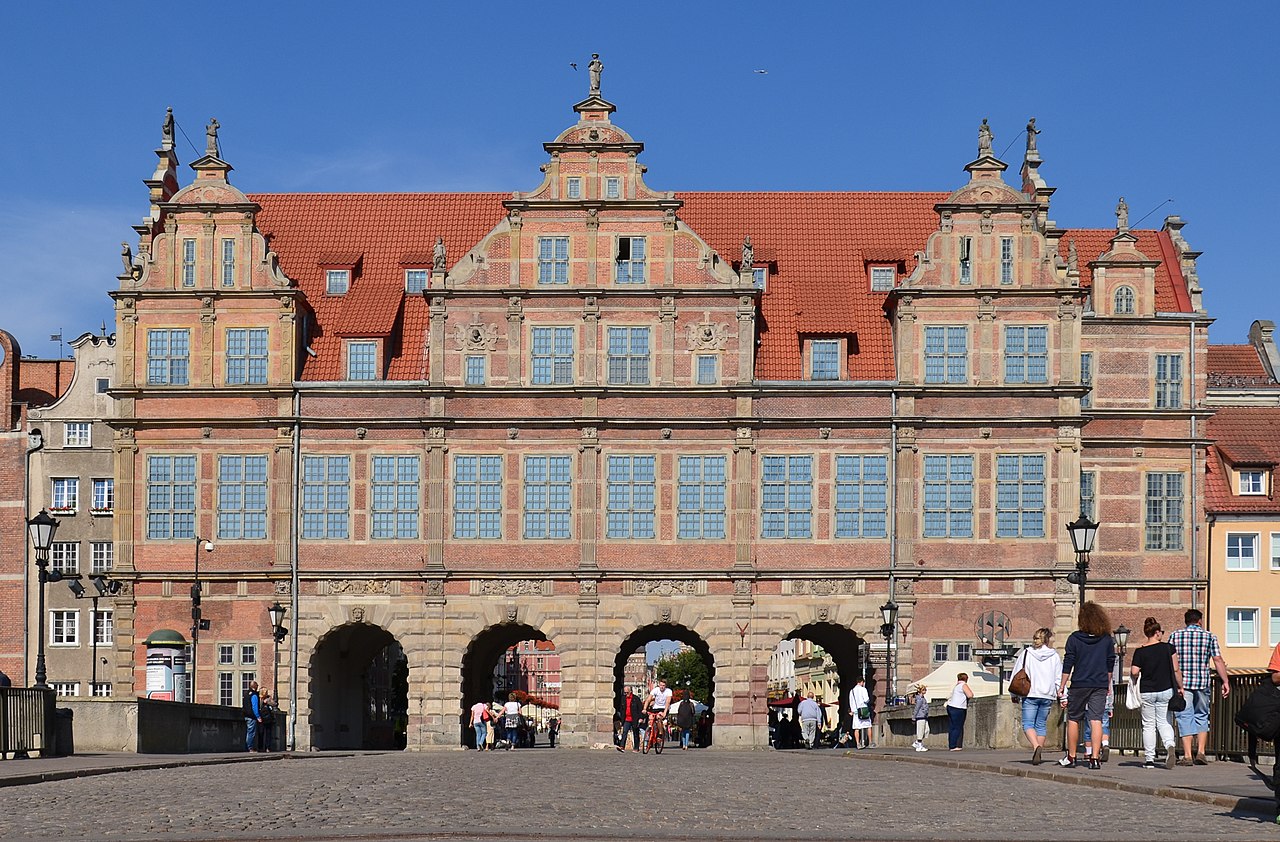
A city gate is an entrance in a town or city's defensive perimeter that regulates passage and protects the settlement within. Historically found where walls, ramparts or boundaries crossed roads, gates served as choke points that could be guarded, closed at night and inspected. Beyond military purposes, gates often fulfilled civic and economic roles such as toll collection, customs checks and public display.
Image gallery
10 Images



Design and common elements
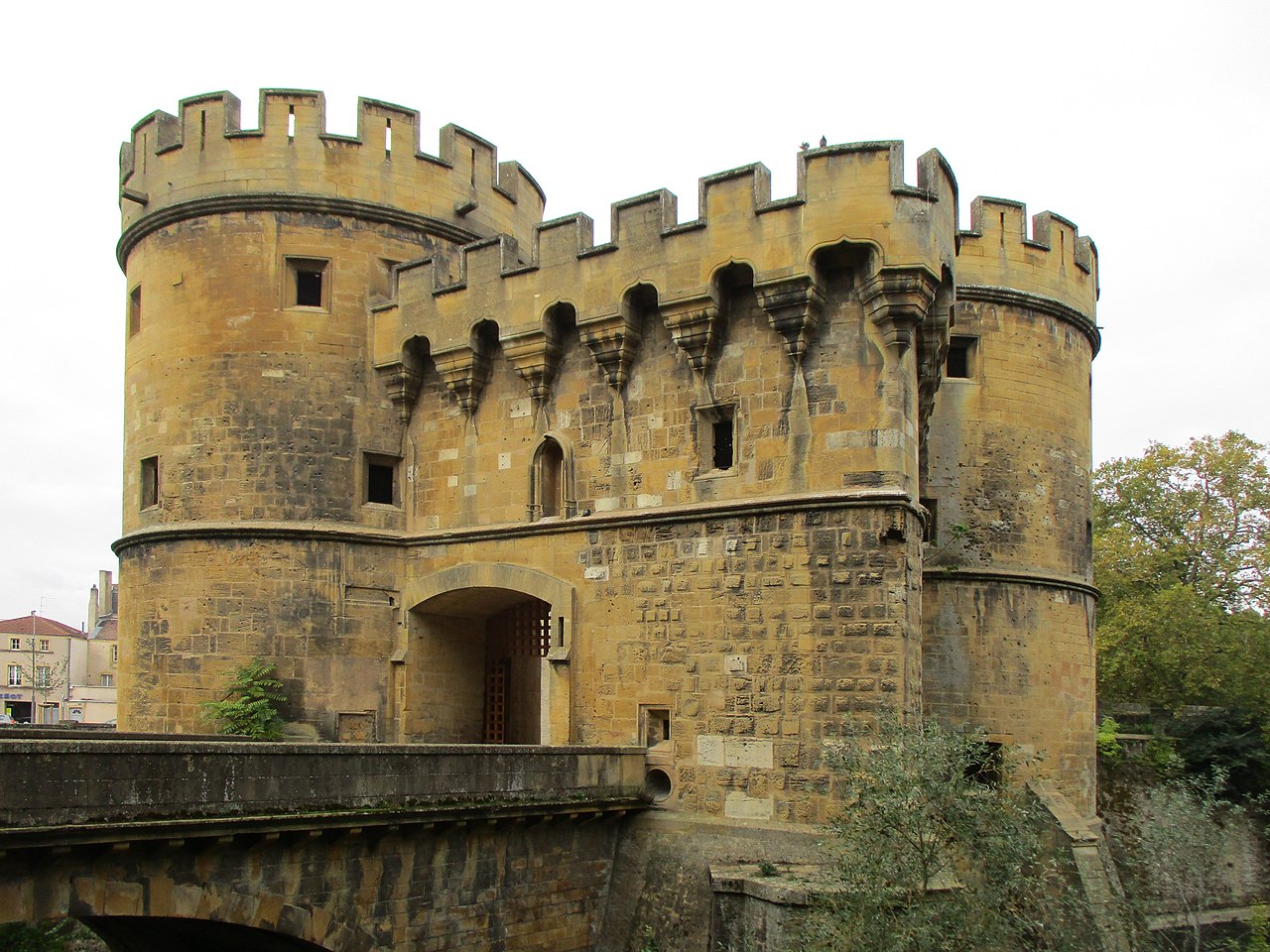
City gates vary widely in appearance, from simple wooden portals to elaborate stone gatehouses. Typical components include:
- Archway — the main passage through the wall.
- Gatehouse — rooms for guards and administrators above or beside the arch.
- Portcullis and doors — heavy barriers that could be dropped or closed for defense.
- Defensive features — arrow slits, murder holes, machicolations and flanking towers.
Architectural adaptations reflect local materials, engineering traditions and the balance between ornament and defensibility. See studies of gate design for technical diagrams and reconstructions.
Functions, history and examples
City gates have existed since ancient walled cities and became prominent in medieval Europe and elsewhere. They controlled movement, served as customs points, and could mark ceremonial entries for rulers and processions. Regional traditions produced distinct types: enclosed barbicans in Europe, imposing ceremonial gates in imperial capitals, and elaborated city gates along trade routes in Asia and the Middle East. For photographic and historical surveys, consult resources on medieval fortifications and historic gates.
Legacy and preservation
Many surviving city gates have been conserved as monuments, reused as museums, or integrated into modern streetscapes. They remain important for urban archaeology, tourism and the study of defensive architecture, illustrating how practical military needs influenced civic identity and urban form.
Related articles
Author
AlegsaOnline.com City gate Leandro Alegsa
URL: https://en.alegsaonline.com/art/20538