
Shallot: a mild, cluster-growing onion (Allium cepa variety)
Shallot, a mild-flavored member of the onion family (Allium cepa), is grown as clustered bulbs and prized in cooking for its delicate sweet-onion and garlic-like notes.
Overview
Shallots are a cultivated form of onion prized for a milder, sweeter flavor and more subtle aroma than common onions. Botanically they belong to the species Allium cepa and are often described as a botanical variety of that species. In some older literature they were treated as a separate species (A. ascalonicum), but modern classification places them within the onion group. They are widely used in cuisines around the world.
Image gallery
10 Images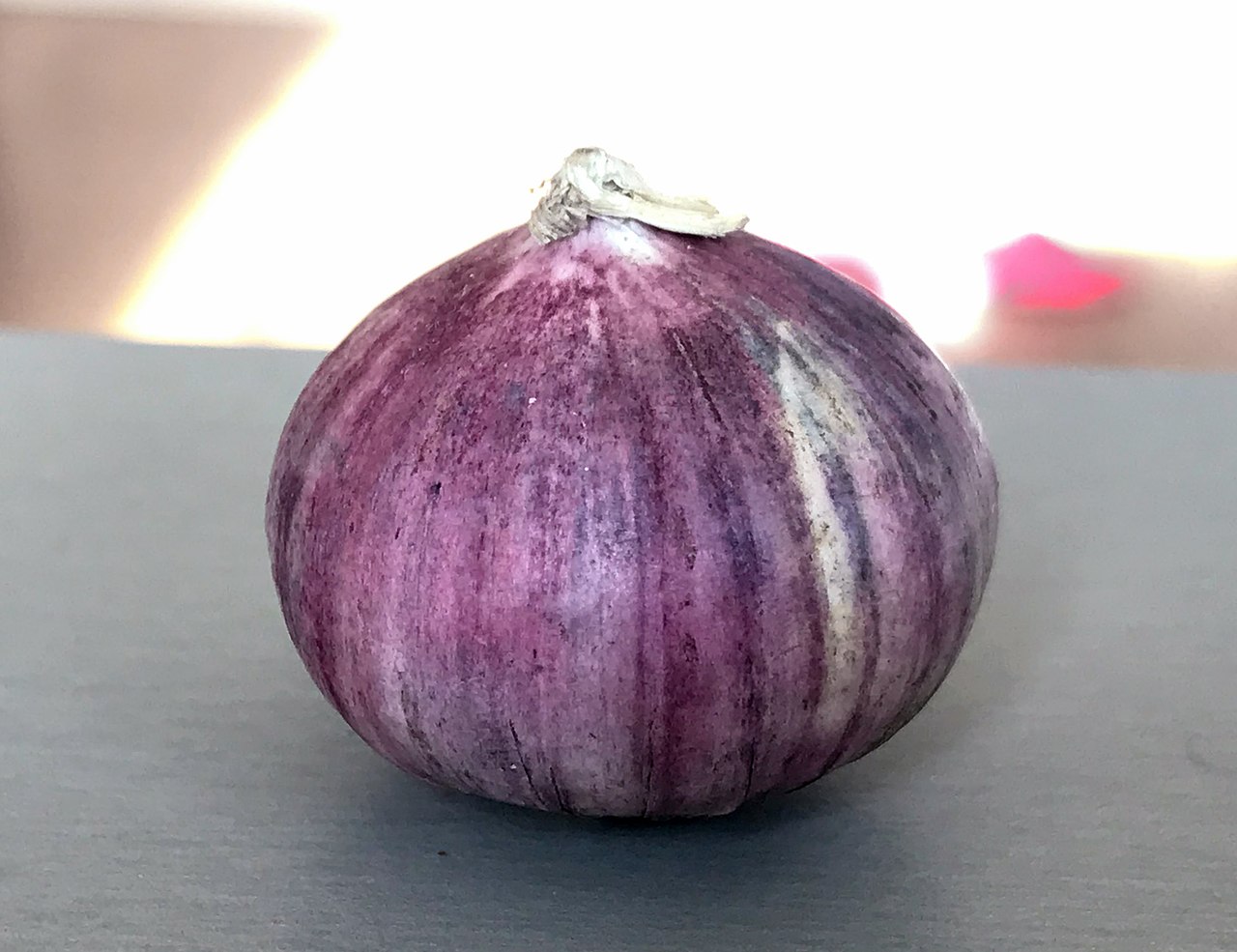


Characteristics
Unlike single-bulb onions, shallots form clusters of multiple small bulbs, each with thin papery skin that ranges from golden-brown to reddish or gray. The flesh is typically off-white with purple veins in many cultivars. Flavor is commonly described as a blend of onion and garlic, but milder and sweeter, which makes shallots especially suitable for raw applications, delicate sauces and refined cooking.
Origins and history
Shallots are believed to have been cultivated for centuries in the Middle East and South Asia before spreading to the Mediterranean and Europe. The common English name is linked historically to place names in the eastern Mediterranean. Over time they became established in French and Southeast Asian kitchens and were adopted by cooks worldwide for their nuanced taste.
Cultivation and harvesting
Shallots are grown from sets (small bulbs) or from divided cloves. They prefer well-drained soil, moderate fertility and full sun. Plants are usually set in spring or autumn depending on climate, produce foliage, and are harvested when the tops yellow and fall over. After curing in dry conditions, bulbs store well in a cool, dry, ventilated place.
Culinary uses and substitutes
Shallots are used raw in vinaigrettes, salsas and dressings, or gently cooked in sauces, sautés, and confits where a subtler onion note is desired. They are central to many classic recipes such as vinaigrette, beurre blanc and certain curries. If unavailable, finely minced red or yellow onion (often mixed with a touch of garlic) can substitute; typical substitution is about one small shallot = one-quarter to one-third of a medium onion, adjusted to taste.
Varieties, nutrition and notable distinctions
Commercial and heirloom varieties include small gray or pink French types, elongated 'banana' shallots, and larger aggregating types sold simply as 'shallots' in markets. Nutritionally they are low in calories and provide modest amounts of vitamins, fiber and sulfur compounds associated with the Allium family. Unlike single-bulb onions, their clustered growth and milder flavor are the clearest distinctions. For botanical or culinary reference, see entries for onion and related Allium resources (Allium cepa).
- Common uses: raw in dressings, sautéing, sauces, pickling.
- Storage: cure thoroughly, store in cool dry place to extend shelf life.
- Propagation: plant sets or divide bulbs; avoid waterlogged soils.
Related articles
Author
AlegsaOnline.com Shallot: a mild, cluster-growing onion (Allium cepa variety) Leandro Alegsa
URL: https://en.alegsaonline.com/art/89416
Sources
- commons.wikimedia.org : Shallot
- ars-grin.gov : "Allium ascalonicum information"
- homeguides.sfgate.com : "How to propagate shallots"
- harvesttotable.com : "Early planting onions, shallots, and garlic"