
Gardenia: overview, characteristics, cultivation, history and uses
Gardenia is a genus of about 250 evergreen shrubs and small trees valued for glossy foliage and fragrant white flowers; widely grown as ornamentals and used in perfumery and traditional remedies.
Overview
The name Gardenia refers to a genus of about 250 species of flowering plants in the coffee family. Many species are prized for their glossy evergreen leaves and intensely scented white or creamy flowers. Gardenias are primarily tropical and subtropical plants that have entered horticulture worldwide because of their strong fragrance and attractive blooms. The genus has both wild species and numerous cultivated varieties used in gardens, containers and floristry; for further taxonomic context see primary genus resources and a general account of their flowers at flower descriptions.
Image gallery
10 Images



Description and distinguishing features
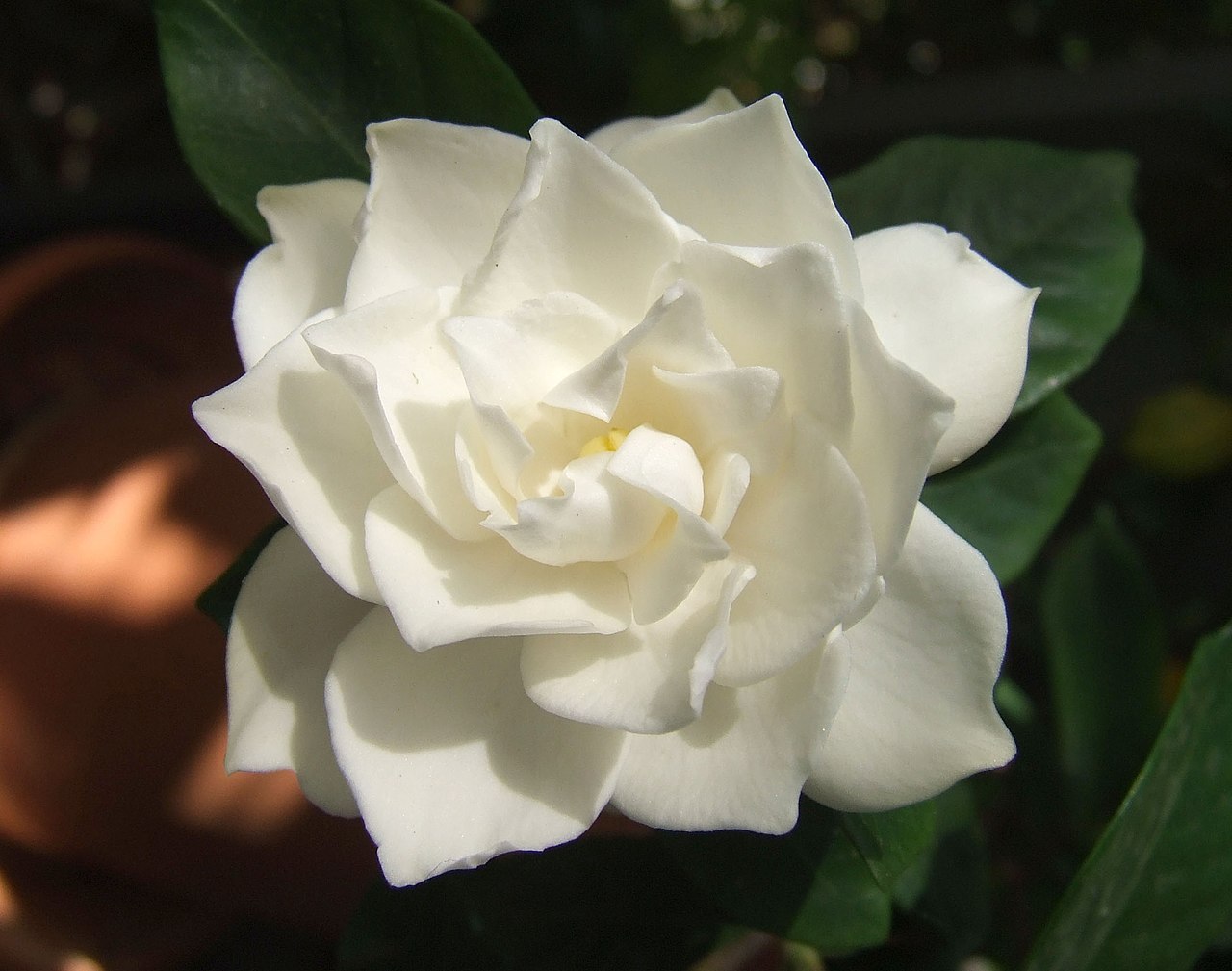
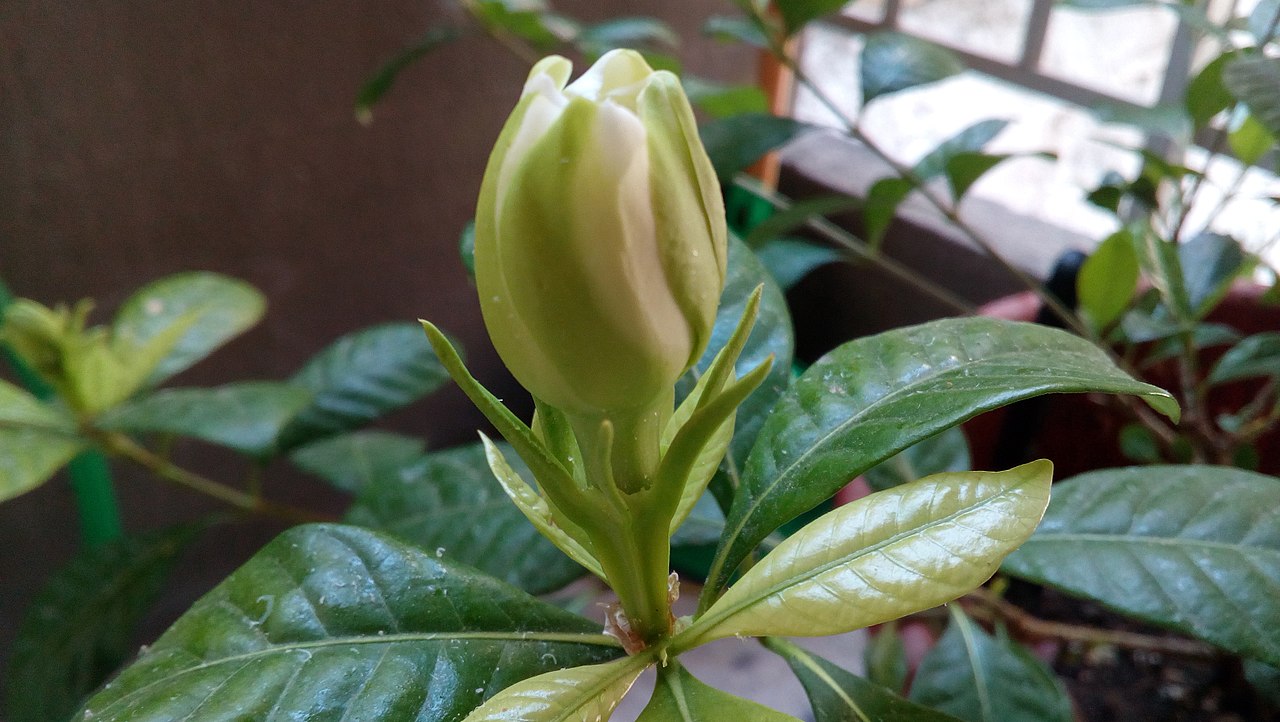
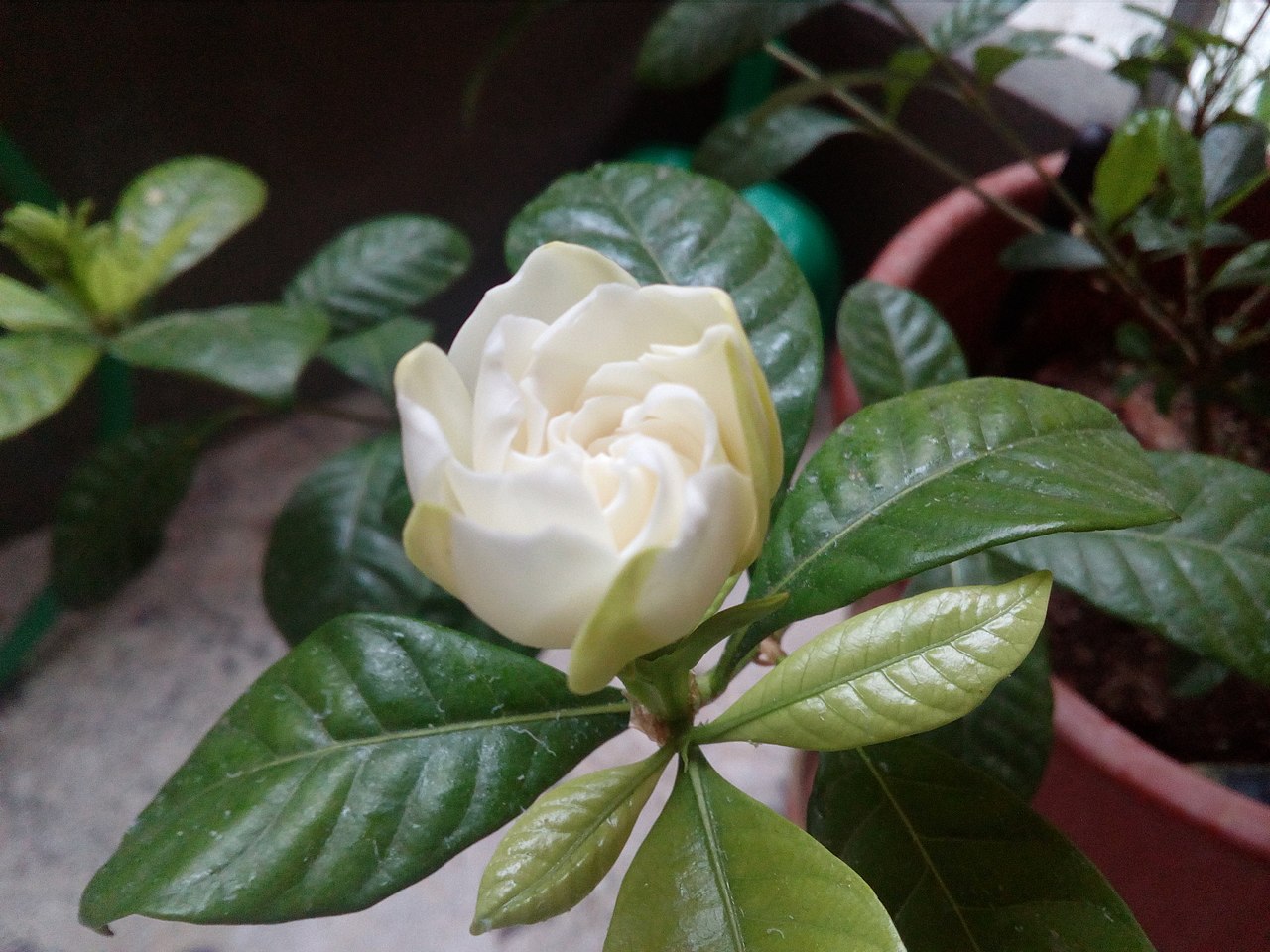
Gardenias are generally evergreen shrubs or small trees reaching from about one to several metres in height. Leaves are opposite or appear in whorls, typically glossy, leathery and deep green. Flowers are borne singly or in small clusters and are usually white to pale yellow; many bloom in spring and summer and emit a powerful, sweet fragrance that is among their signature qualities. The family association is with the Rubiaceae (family overview), and morphological notes and leaf patterns can be compared with other genera in the family through regional floras such as those covering parts of Africa and Asia.
Distribution and habitat
Species of Gardenia are native across tropical and subtropical zones, concentrated in southern and eastern Asia, Australasia and various Pacific islands. They grow in a range of habitats from lowland forests to montane scrub, often favouring moist, sheltered locations with well-drained yet humus-rich soils. Regional treatments and occurrence records can be consulted for local species lists, for example those documenting flora of Australasia and Oceania.
History and taxonomy
The genus was named by Carl Linnaeus in honour of the 18th-century naturalist Dr Alexander Garden (1730–1791). Since Linnaeus’s time, botanical study has described many species and clarified relationships within the group; revisions can be found in specialist literature and botanical databases. For historical background see biographical and nomenclatural notes at nomenclature sources, and for information on vegetative characters consult regional keys such as those referenced at evergreen shrub guides.
Cultivation, uses and cultural importance
Gardenias are widely cultivated for ornamental use. Popular species and cultivars are grown in temperate gardens under protection or as container plants, and they are common in warm-climate landscaping. Cultivation guidance usually emphasizes acidic, well-drained soil, regular moisture, bright but filtered light and protection from frost. Gardenia blooms are harvested for cut-flower use and are valued in perfumery and traditional fragrancing—gardenia scent features in many floral blends and ceremonial garlands. Practical growing advice and pest management are covered in horticultural manuals and extension services at cultivation guides and garden care resources.
Notable species, uses and distinctions
Among the better-known species is Gardenia jasminoides (often sold as Gardenia augusta), frequently used in gardens and floral arrangements for its double, jasmine-like blooms. Other species may be important regionally for traditional uses or as wild ornamental plants. Gardenias are admired for fragrance, glossy foliage and showy flowers, but they can be sensitive to soil pH and pests; reliable identification and selection benefit from consulting floras and conservation accounts such as those at regional plant lists, species profiles, and standard horticultural references at plant care portals and conservation resources.
- Key traits: evergreen habit, glossy leaves, fragrant white flowers.
- Primary uses: ornamental, perfumery, occasional traditional medicinal applications.
- Growing needs: acidic, humus-rich soil; partial sun; protection from cold.
Questions and answers
Q: What is Gardenia?
A: Gardenia is a genus of about 250 species of flowering plants in the family Rubiaceae.
Q: Where can Gardenia be found?
A: Gardenia can be found in the tropical and subtropical regions of Africa, southern Asia, Australasia, and Oceania.
Q: Who named the genus Gardenia?
A: The genus Gardenia was named by Carl Linnaeus after Dr Alexander Garden (1730-1791), Scottish-born American naturalist.
Q: What is the size of Gardenia?
A: Gardenia are evergreen shrubs and small trees growing to 1–15 m tall.
Q: What is the color of Gardenia leaves and what is their texture?
A: Gardenia leaves are dark green and glossy with a leathery texture.
Q: What is the color of Gardenia flowers?
A: Gardenia flowers are solitary or in small clusters, white or pale yellow.
Q: When does Gardenia usually flower?
A: Flowering is from about mid-spring to mid-summer, and many species are strongly scented.
Related articles
Author
AlegsaOnline.com Gardenia: overview, characteristics, cultivation, history and uses Leandro Alegsa
URL: https://en.alegsaonline.com/art/37549