
Garage punk (fusion genre)
Garage punk is a raw, high-energy fusion of garage rock and punk that emerged in the indie underground around the late 1980s–early 1990s, drawing on 1960s pop, blues, R&B, surf and DIY culture.
Overview
Garage punk is a high-energy branch of rock music that fuses the lo-fi, guitar-driven qualities of 1960s-style garage rock with the speed, attitude and DIY ethic of punk rock. It arose within the indie rock underground in the late 1980s and early 1990s as bands and creators sought to revive the immediacy of earlier forms while reacting against overly produced styles. Recordings and performances emphasize rawness, directness and a live feel over technical polish.
Image gallery
1 Image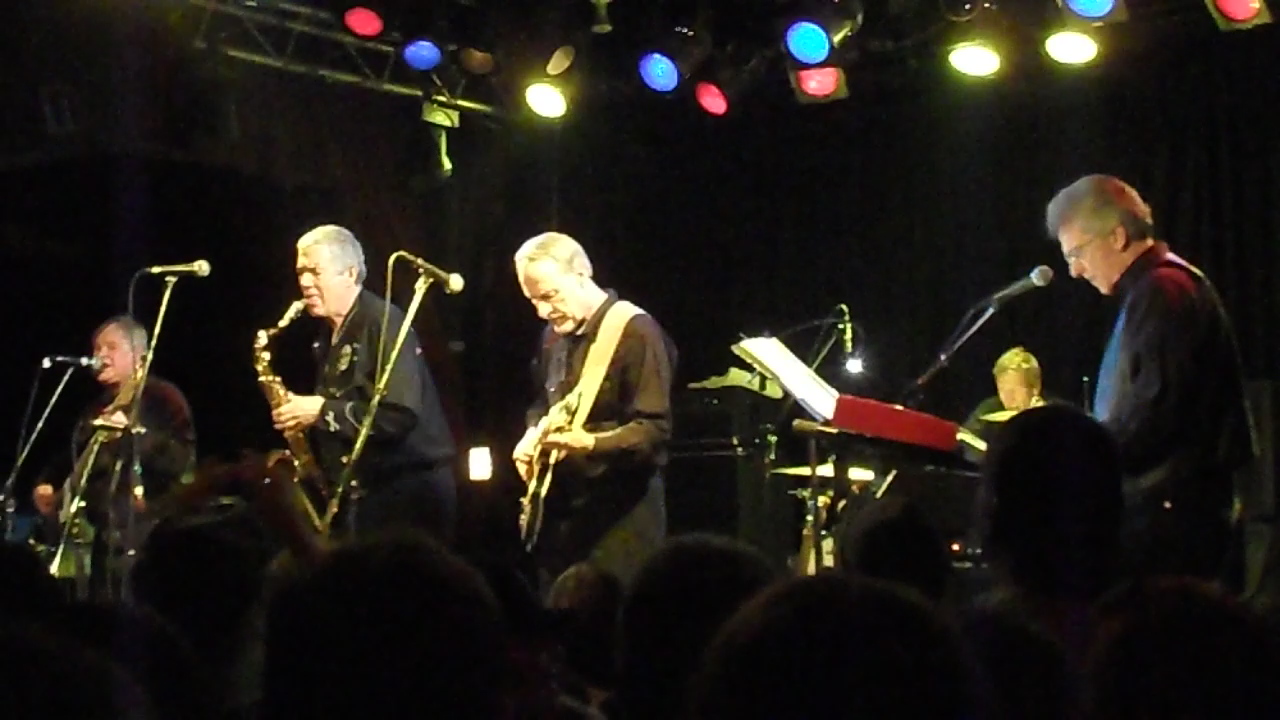
Characteristics
- Sound and production: intentionally gritty production, distorted guitars, energetic tempos and simple arrangements.
- Songwriting: concise, hook-driven songs that often borrow melodic approaches from 1960s pop and power pop.
- Performance: aggressive or shouted vocals, driving backbeat and a focus on visceral live shows.
- Instrumentation: typical rock lineups with guitar, bass and drums; occasional organ, reverb-drenched guitar tones or saxophone for texture.
Origins and development
The movement drew on the stripped-down aesthetics of 1970s punk and Detroit proto-punk while deliberately referencing the riffs, harmonies and forms of 1960s groups. Small independent labels, zines and local venues helped spread the sound. Many musicians cited early rock, blues and R&B as formative, while others looked to the immediacy of surf guitar or the vocal harmonies of 1960s girl groups to shape arrangements.
Influences and related styles
Garage punk overlaps with related genres and scenes: it shares tempos and attitude with hardcore punk at times, borrows melodic ideas from power pop, and uses reverb and tremolo from surf rock. This hybrid identity allowed bands to be both retrospective and forward-looking, mixing vintage motifs with contemporary energy.
Scenes and legacy
While never a dominant mainstream style, garage punk sustained DIY networks for recording and distribution and influenced later garage revivals and alternative rock movements. Local scenes across different countries adapted the style to regional tastes, keeping it a recurring presence in underground music. For listeners it remains attractive for its combination of melody, grit and immediacy; for musicians it offers a straightforward template for direct, forceful rock songs.
Related articles
Author
AlegsaOnline.com Garage punk (fusion genre) Leandro Alegsa
URL: https://en.alegsaonline.com/art/37511
Sources
- allmusic.com : "Garage Punk" · web.archive.org