
Girl group (popular music ensembles)
Vocal ensembles of women in popular music: definition, characteristics, history from 1950s doo‑wop to manufactured 1990s acts, cultural impact, examples and distinctions.
Overview
A girl group is a popular music ensemble composed predominantly of female singers who perform together, usually with harmonized vocal parts and coordinated presentation. The phrase is broad and can describe many formations—simple vocal quartets, multi‑part harmony trios, bands where members both sing and play instruments, or commercially assembled pop acts. In usage, the term can refer to a longstanding tradition of vocal harmony groups as well as to later pop formations engineered by managers and record companies for mass appeal. For a concise sense of the category in music industry terms, see definition.
Image gallery
10 Images



Key characteristics
Although girl groups vary by era and genre, several common features recur:
- Emphasis on close vocal harmony and melody rather than instrumental virtuosity; see vocal group conventions.
- Visual and stylistic coordination—costume, choreography, and media persona often form a key part of the product, discussed in marketing and promotion contexts.
- Songwriting and production can be handled internally or largely by outside teams; many acts rely on professional songwriters and producers in the studio.
- Audience identification: managers may present members with distinct characters to broaden appeal, an approach common in later commercial acts (branding strategies).
Historical development
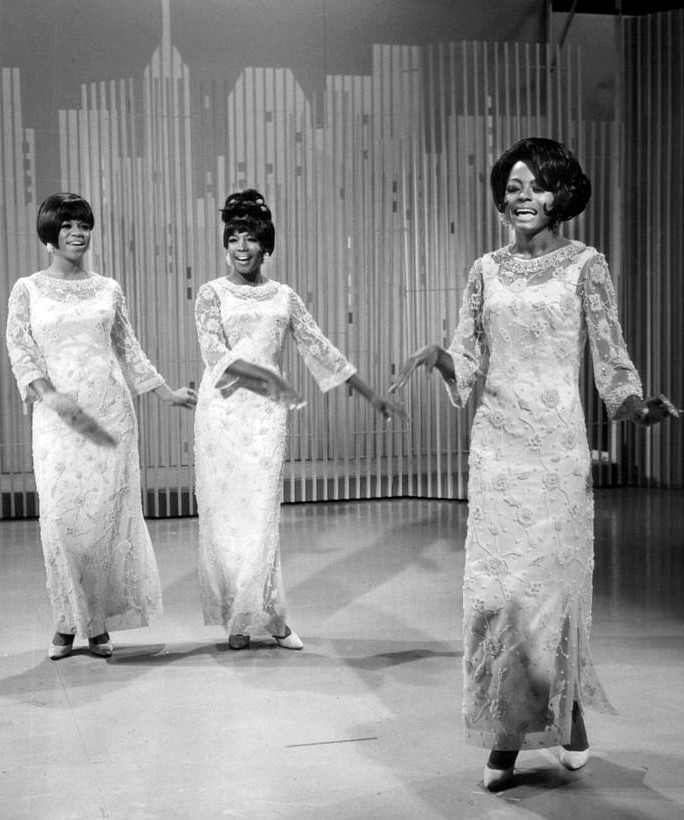
The girl group phenomenon in Anglo‑American popular music is often linked to the late 1950s and early 1960s, when ensembles influenced by doo‑wop and rhythm & blues achieved mainstream chart success. Early examples were frequently formed by friends, relatives, or church choirs—groups who sang together locally before professional recording. Prominent examples include vocal acts whose origins and recordings are celebrated in music histories (early era), and whose styles incorporated harmonies derived from doo‑wop.
By the 1960s many girl groups worked with producers and labels that shaped their repertoire and public image. Stage presentation and radio‑friendly singles helped groups achieve national attention. In the following decades the format evolved: some ensembles became self‑contained bands; others embraced disco, soul, and electronic pop influences as trends shifted.
Manufactured groups and the 1990s revival
From the 1980s onward there was a growing industry practice of assembling acts through auditions and management teams rather than the groups forming organically. This approach reached wide visibility in the 1990s with internationally successful pop ensembles created to compete in a market dominated by boy bands and mass‑market teen pop. These later groups often employed deliberate role allocation (for example, a member presented as the 'leader', another as the 'rebellious' one) to maximize audience connection and merchandising opportunities. For an example of a 1990s phenomenon and its commercial model, see case study.
Notable examples and influences
Throughout different periods, certain groups have become reference points for the form. Early and classic-era ensembles, later pop groups, and acts that blurred the line between band and vocal group have all contributed to the category. Representative names are often cited in discussions of style, production, and cultural influence; readers can consult artist biographies and discographies for specifics (example A, example B, example C).
- 1990s pop ensemble — illustrates the manufactured‑group model and global marketing.
- Classic vocal group — shows early harmony roots and local formation.
- Contemporary hybrid — a modern act combining singing with instrumental performance and diverse influences.
Importance, variations and notable distinctions
Girl groups have played an influential role in popular music: they have shaped vocal arrangement practices, influenced fashion and youth culture, and provided platforms for songwriters, producers, and later solo artists. Distinctions within the category are important: early community‑formed groups contrast with later commercially assembled acts, and styles range from doo‑wop and soul to R&B, pop, and electronic music. Commercial metrics have shifted over time—vinyl and radio charts gave way to digital sales and streaming—and those changes affect how success is measured today.
Whether formed in a school chapel or in a casting room, girl groups remain a versatile and enduring format in popular music, reflecting evolving tastes, technologies, and industry practices. For further reading on specific groups, production methods, and cultural impact, follow the linked topics above.
Questions and answers
Q: What is a girl group?
A: A girl group is a music group with a group of female singers who normally harmonise together.
Q: When did the popularity of girl groups peak?
A: The popularity of girl groups peaked in the late 1950s and early 1960s, between the decline of early rock and roll and the British Invasion.
Q: How were earlier American girl groups formed?
A: Earlier American girl groups were mostly self-organised, made up of girls who knew each other and often grew up together.
Q: Who was America's most successful vocal group of all time?
A: The Supremes were America's most successful vocal group of all time.
Q: How did later pop music groups form?
A: Later pop music groups were usually created by public relations professionals to meet a market need.
Q: What was different about earlier and later pop music groups?
A: Earlier pop music groups had usually sung together and socialised together before they formed up as a group, while later pop music groups were deliberately chosen for variety so that all sections of the audience would have at least one member they could identify with.
Q: What are digital sales in popular music?
A: Digital sales are now the most important way to measure success in popular music in many parts of the world.
Related articles
Author
AlegsaOnline.com Girl group (popular music ensembles) Leandro Alegsa
URL: https://en.alegsaonline.com/art/38956
Sources
- rockhall.com : "The Fabulous Girl Groups | The Rock and Roll Hall of Fame and Museum"
- history-of-rock.com : "Girl Groups - a short history"
- rollingstone.com : Biography - Spice Girls