
Funen (Fyn) — island in Denmark: geography, history and transport
Funen (Danish: Fyn) is Denmark’s third-largest island, centered on Odense. Fertile and well connected, it links Jutland and Zealand by major bridges and combines agriculture, industry and cultural heritage.
Overview
Funen (Danish: Fyn) is an island in Denmark with an area of about 3,099.7 square kilometres. It is the country’s third-largest island and has a long history of settlement, trade and agriculture. The largest urban centre is Odense, a city that serves as the island’s cultural and economic hub. Odense is linked to the sea by the Odense Canal, which provides a navigable route though it is used relatively infrequently compared with road and rail traffic.
Image gallery
4 Images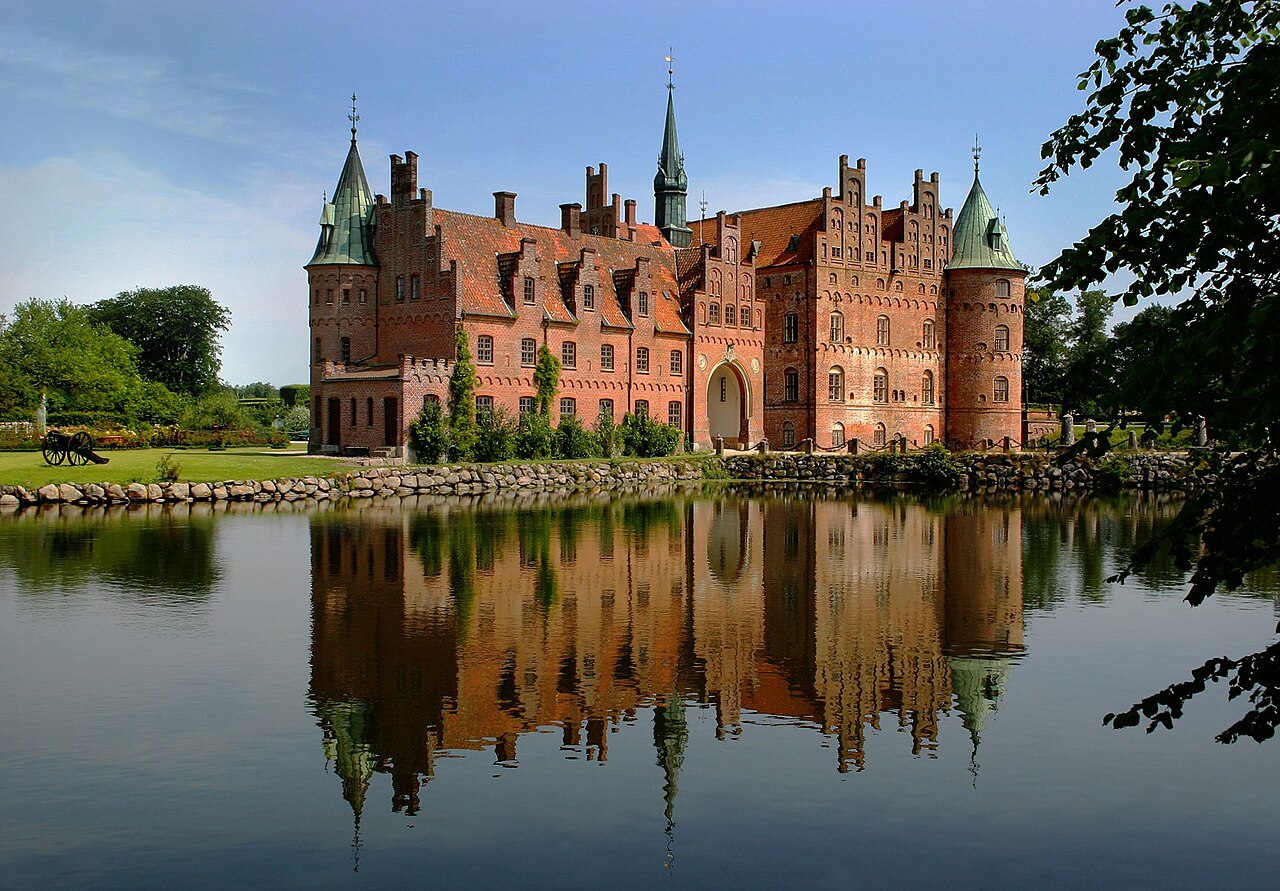


Geography and landscape
Funen occupies a central position in Danish waters between the Jutland peninsula and the larger island of Zealand. The landscape consists largely of fertile lowlands and rolling hills, interspersed with woodlands, small lakes and indented coasts. Its shoreline includes bays and fjords that historically supported maritime trade and local fisheries. Many small towns and ports dot the coast, and inland areas remain important for mixed farming.
Transport and connections
The island is a key transit corridor with several major links to adjacent parts of Denmark. A network of bridges carries both road and railway traffic; these connections are critical for national transport routes. The Great Belt Bridge links Funen to Zealand to the east, while the Old and New Little Belt bridges connect the island to Jutland in the west. These crossings handle high volumes of traffic and integrate Funen into Denmark’s modern road and rail systems, which include motorways and regional lines for both freight and passengers (roads and railways).
History and culture
Funen has roots extending through the Viking Age and the medieval period, when its towns were active in coastal trade. The island contains well-preserved manor houses and castles from later centuries; Egeskov Castle and several smaller fortifications illustrate the region’s aristocratic and agricultural past. Odense is internationally known as the birthplace of the writer Hans Christian Andersen, and the island preserves museums, festivals and traditions associated with literature and Danish cultural life.
Economy, land use and tourism
Agriculture remains important on Funen, with mixed crops, livestock and food processing forming a significant part of the local economy. Light industry, services and public-sector institutions concentrate in urban centres, notably Odense, which also hosts higher-education and research facilities. The island attracts visitors for cycling, coastal recreation, historic houses and cultural events; well-marked routes, small harbours and regional museums are typical attractions.
Notable towns and visiting
- Odense — cultural centre and transport hub (Odense).
- Svendborg, Faaborg, Kerteminde and Nyborg — coastal towns with maritime character.
- Middelfart — near the Little Belt bridges connecting to Jutland.
Funen’s mix of accessible transport links, agricultural landscapes and historic sites makes it an important and distinctive part of Denmark’s geography and cultural heritage. For more detailed travel or historical information consult regional guides and official sources via Fyn-oriented resources or national overviews of Denmark.
Related articles
Author
AlegsaOnline.com Funen (Fyn) — island in Denmark: geography, history and transport Leandro Alegsa
URL: https://en.alegsaonline.com/art/37033