
Gaeltacht: Irish-language regions of the Republic of Ireland
Areas of Ireland officially recognised for their use of the Irish language (Gaeilge); cultural, educational and economic centres for language preservation and community life.
Overview
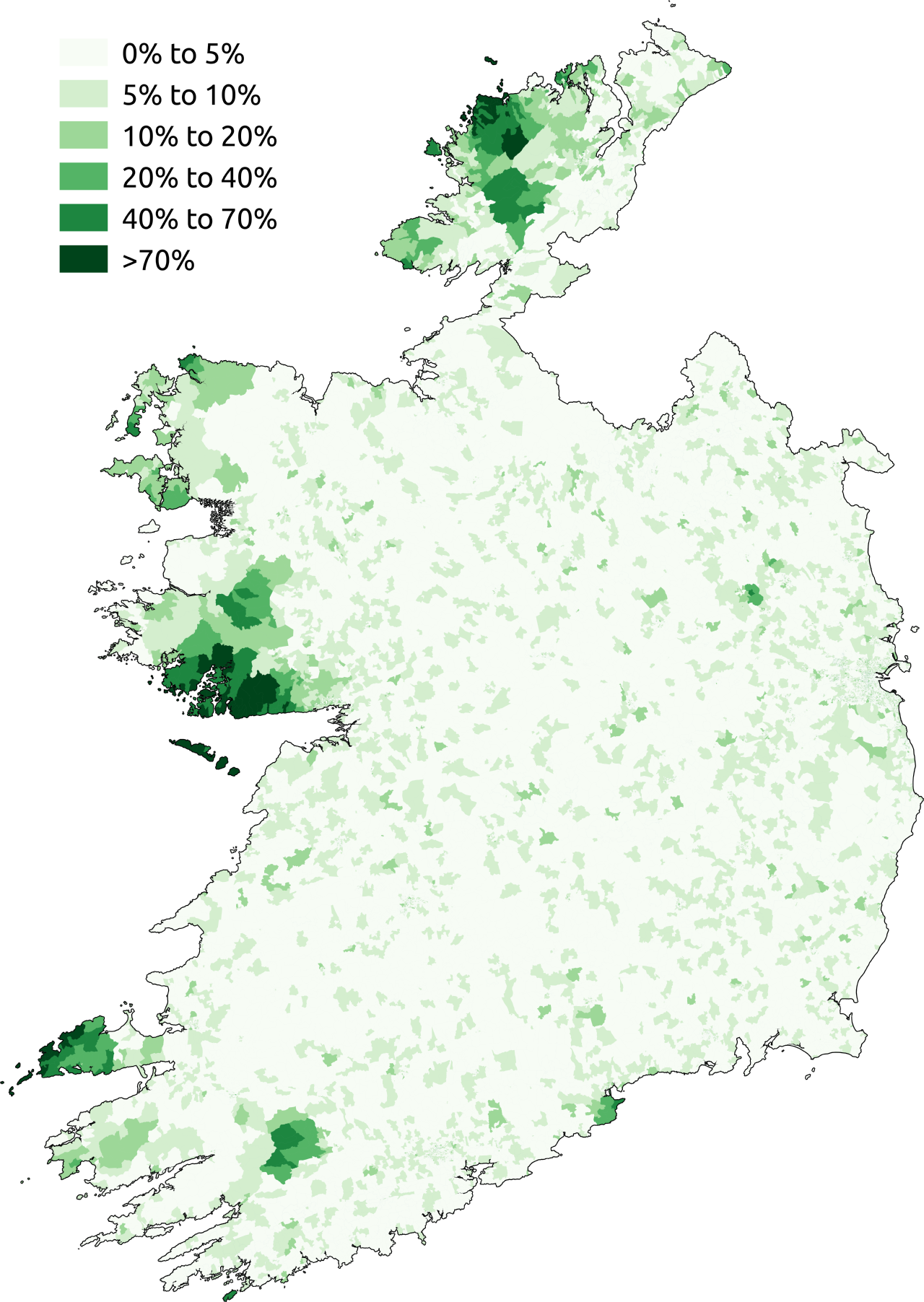
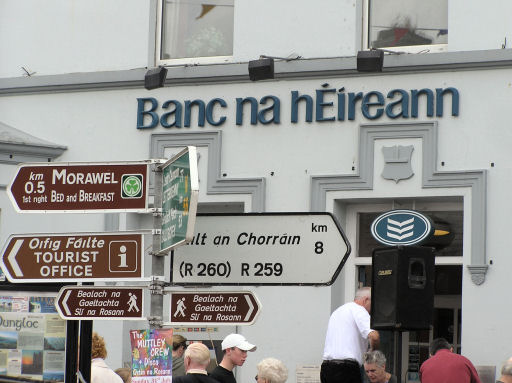
The term Gaeltacht refers to districts in the Republic of Ireland where Irish (Gaeilge) is still used as a community language and where public policy recognises and supports that role. These areas are not defined simply by speakers living there but by the persistence of Irish in daily life, schools, local media and public signage. The Gaeltacht carries symbolic and practical importance for cultural heritage, language planning and education; it is also a focus for tourism and local enterprise.
Image gallery
7 Images




Geography and principal areas
Gaeltacht communities are found mainly on the western seaboard and in a few smaller pockets elsewhere. The primary concentrations include districts in several counties, notably:
These counties include a mix of islands, coastal peninsulas and inland villages where Irish remains visible in shops, schools and community life. The Gaeltacht designation applies within the Republic of Ireland and complements wider national efforts to promote the Irish language.
History and public policy
The modern concept of the Gaeltacht developed in the early 20th century as the newly independent Irish state sought to identify and support regions where Irish remained a living language. Boundaries and official status have been reviewed over time. State and local bodies provide funding, enterprise support and language-planning services; specialised agencies and community organisations work to sustain employment, education and media in Irish.
Culture, education and economy
Gaeltacht areas are notable for Irish-medium schools, summer immersion colleges, radio and television services in Irish, and cultural events such as céilithe and sean-nós singing. Economically, these regions balance traditional livelihoods like fishing and farming with tourism, crafts and small enterprise. Language-based initiatives often seek to create jobs that will encourage families to remain and use Irish daily.
Contemporary issues and distinctions
Not all Irish speakers live within the Gaeltacht: there are growing urban Irish-speaking communities and Gaelscoileanna (Irish-medium schools) across the country. Census data have shown that the Gaeltacht population is only a small fraction of the national total (for example, the 2006 census reported roughly 91,800 people living in Gaeltacht districts, about 2% of the state), and the percentage of active daily Irish speakers varies widely between districts. Current debates focus on language revitalisation, demographic change, boundary reviews and ensuring that economic development supports living-language communities rather than simply symbolic recognition.
For further information on specific Gaeltacht areas, language services and community programmes, consult official and local sources that specialise in regional language planning and cultural resources.
Related articles
Author
AlegsaOnline.com Gaeltacht: Irish-language regions of the Republic of Ireland Leandro Alegsa
URL: https://en.alegsaonline.com/art/37193
Sources
- cso.ie : Census 2006
- udaras.ie : Map of An Ghaeltacht
- ahg.gov.ie : "Report of the Gaeltacht Commission"