
Frostbite: causes, stages, treatment and prevention
Frostbite is tissue damage caused by freezing temperatures. This article explains how it develops, typical signs, risk factors, treatment approaches, prevention and long‑term complications.
Frostbite is a localized injury in which exposure to freezing temperatures damages the skin and underlying tissues. It most often affects parts of the body farthest from the heart, such as fingers, toes, ears and the nose, where heat is lost most rapidly and blood circulation is less robust. Frostbite can occur alone or together with systemic cold injury such as hypothermia.
Image gallery
10 Images
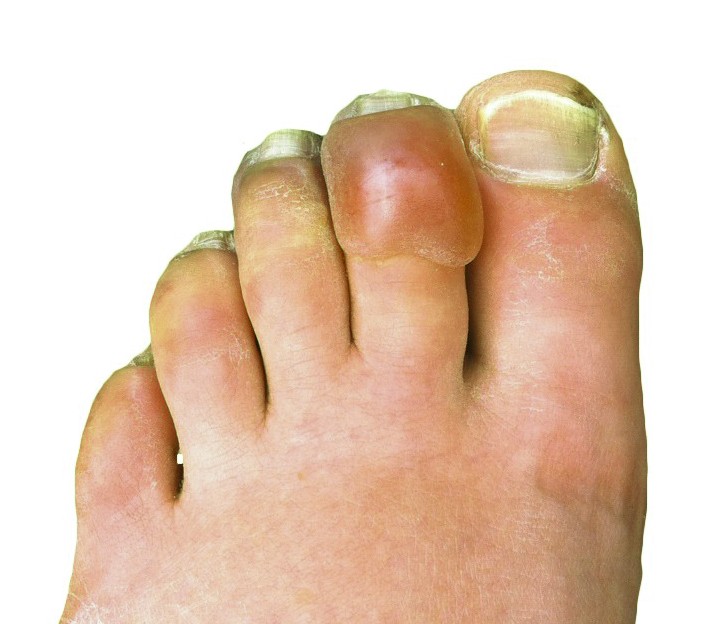


How frostbite develops
Cold exposure causes blood vessels near the surface to constrict. As tissue temperature falls, ice crystals may form inside cells or between them, disrupting cell membranes and reducing blood flow. The degree and duration of exposure determine the extent of damage: brief, mild cooling may cause temporary numbness, while prolonged freezing can destroy skin, nerves, muscle and bone.
Signs and stages
In clinical descriptions, frostbite is often categorized by severity:
- Frostnip – superficial, reversible cooling with numbness and paleness but no permanent tissue loss.
- Superficial frostbite – skin freezes and may form clear or cloudy blisters after rewarming.
- Deep frostbite – deeper tissues freeze; skin turns hard, waxy or discolored and blisters or blackened tissue can develop. Deep injuries carry a higher risk of permanent loss.
Treatment and immediate care
Initial management focuses on removing the person from the cold, protecting the injured area from further damage, and rewarming under controlled conditions. Rapid rewarming using warm (not hot) water is a common first step in medical settings. Pain control, tetanus prevention when appropriate, wound care and monitoring for infection are important. Severe cases may require specialist care, imaging to assess tissue viability and, in some circumstances, surgical intervention or amputation when irreversible necrosis or gangrene occurs.
Prevention and long‑term effects
Preventive measures include appropriate clothing, limiting exposure, staying dry, and maintaining good nutrition and circulation during cold activities. People who have had frostbite may experience chronic numbness, increased sensitivity to cold, persistent pain or circulation problems, and are at higher risk of repeat injuries.
Historical and public‑health context
Frostbite has long been recognized in cold‑climate exploration, military campaigns and outdoor work. Over time treatment shifted from immediate amputation toward conservative care and delayed surgical decisions to preserve viable tissue when possible. Awareness, education and proper cold‑weather practices remain the most effective public‑health strategies for reducing frostbite incidence.
For more general information about skin and cold injuries, see related resources: skin, blood circulation and hypothermia.
Related articles
Author
AlegsaOnline.com Frostbite: causes, stages, treatment and prevention Leandro Alegsa
URL: https://en.alegsaonline.com/art/36840