
Gas gangrene (clostridial myonecrosis)
A rapid, often life-threatening bacterial infection of muscle and soft tissue that produces gas and toxins; requires urgent surgical and antibiotic management to prevent sepsis and organ failure.
Overview
Gas gangrene, also called clostridial myonecrosis, is an acute bacterial infection of soft tissue and muscle characterized by rapid tissue destruction, gas production, and systemic toxicity. It most commonly results from infection by anaerobic, spore-forming bacteria and is a surgical emergency because delays markedly increase the risk of limb loss and death. For general information on bacterial infections see bacterial infection.
Image gallery
7 Images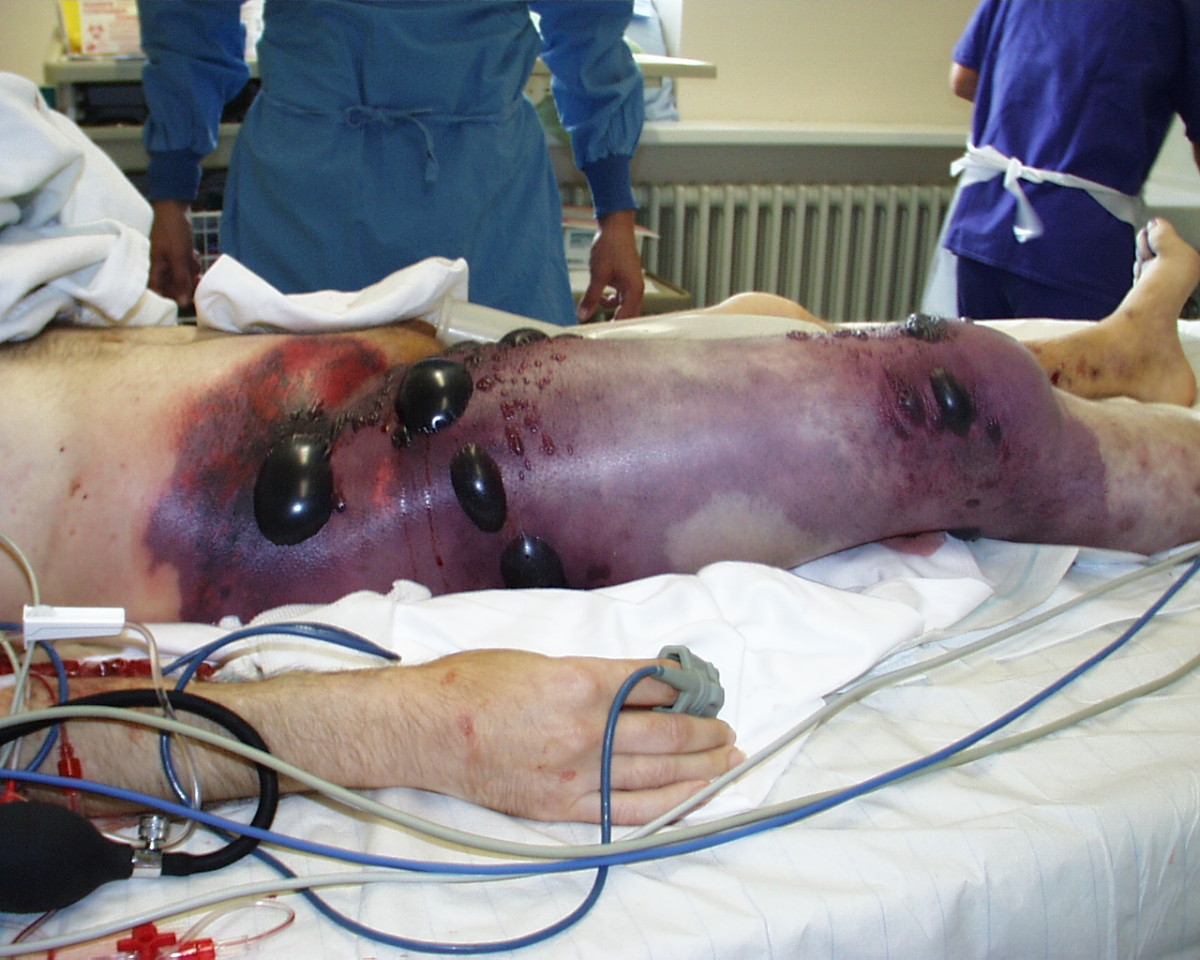



Causes and pathophysiology
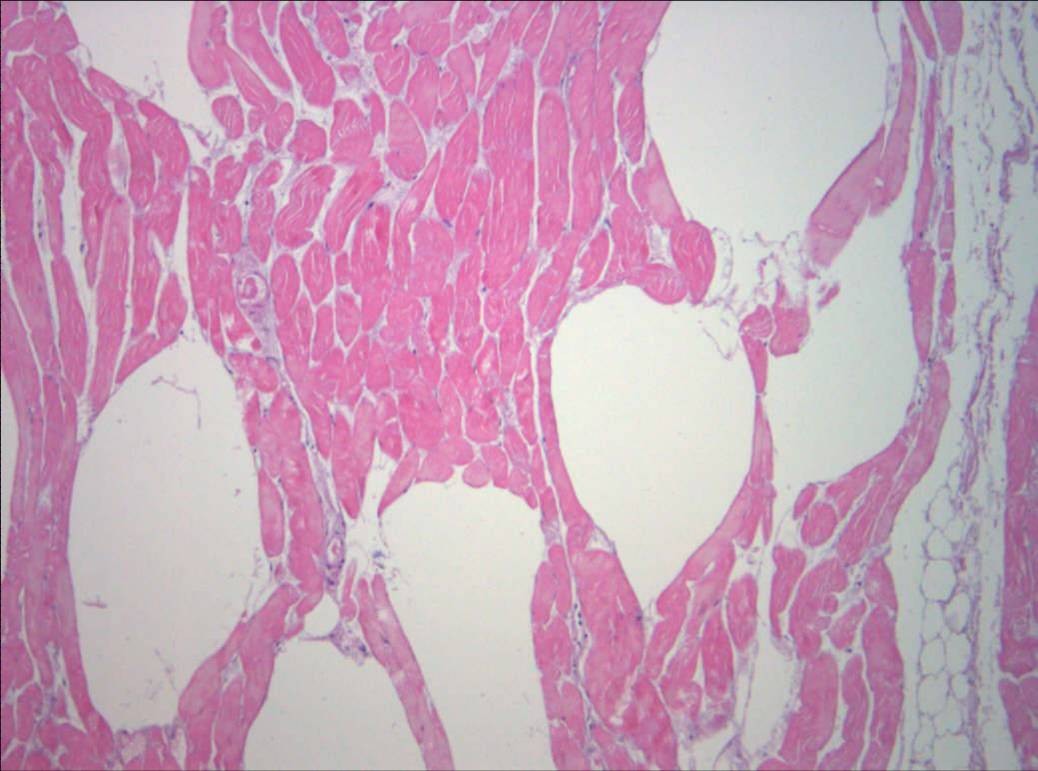
The condition is typically caused by Clostridium species, which thrive in low-oxygen environments such as deep or poorly perfused wounds. These organisms produce powerful toxins and enzymes that destroy cell membranes, interrupt blood supply, and generate gas as a byproduct of metabolism. Tissue ischemia and necrosis then create a feedback loop that allows infection to spread rapidly. Gas gangrene is one form of gangrene, a broader category of tissue death from infection or loss of blood flow.
Clinical features
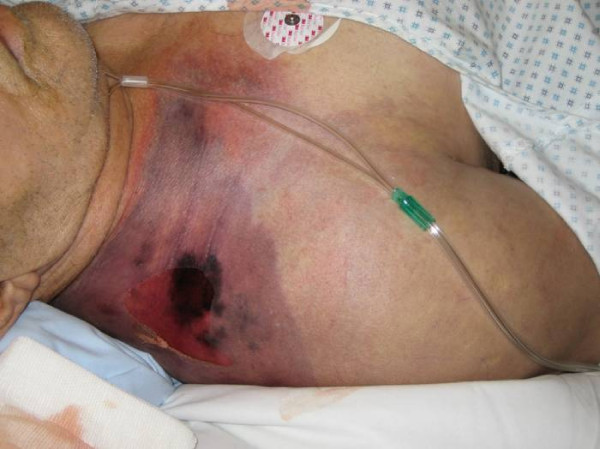
Symptoms usually appear quickly and may progress within hours. Common findings include intense pain at the wound site that can precede visible signs, swelling, a grayish or bronze discoloration of skin, and soft-tissue crepitus due to subcutaneous gas. Patients often develop systemic symptoms such as fever, rapid heart rate, low blood pressure, and confusion, which can reflect spreading infection and sepsis; see more about sepsis.
- Local: severe pain, swelling, discharge, foul odor, skin discoloration, bullae
- Physical exam: crepitus (gas under skin), rapid extension of necrosis
- Systemic: fever, hypotension, tachycardia, altered mental status
Diagnosis and management
Diagnosis is primarily clinical when characteristic signs are present; imaging (plain x-ray, CT) can confirm gas in soft tissues. Laboratory tests and wound cultures help identify the organism and guide therapy. Immediate treatment is essential and usually includes a combination of approaches:
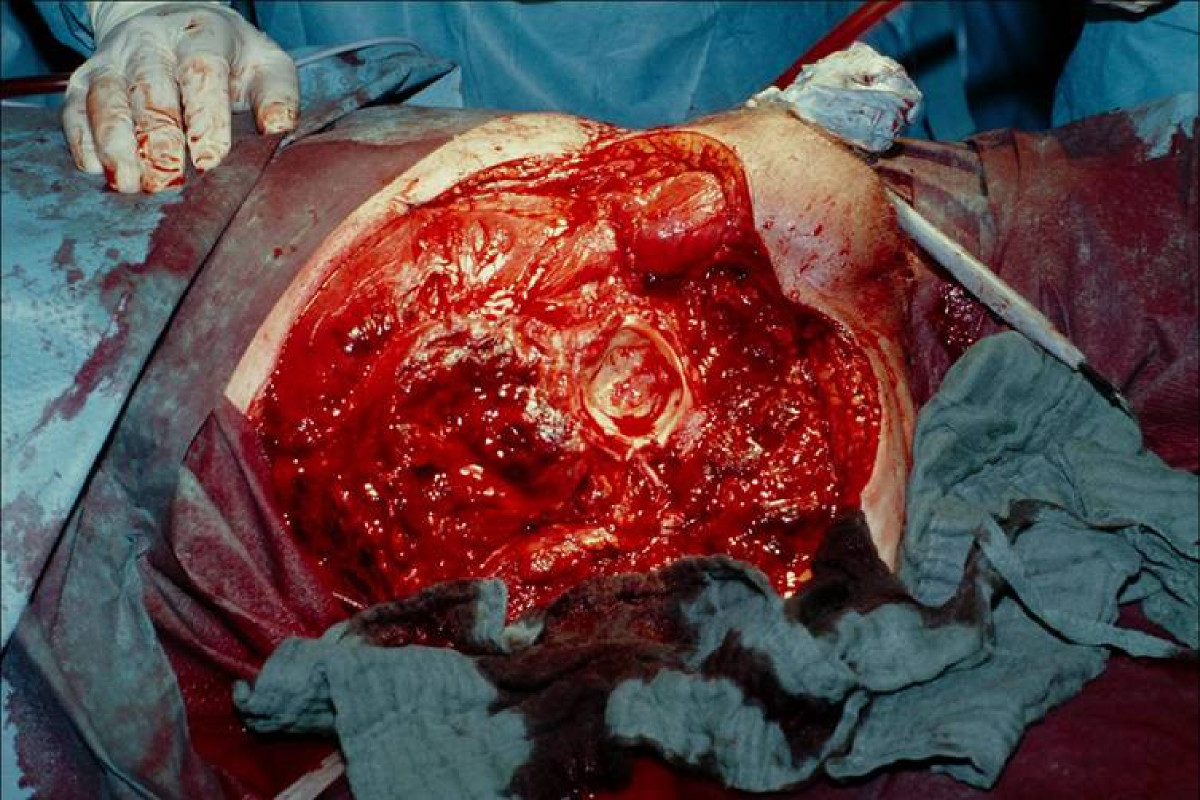
- Urgent surgical debridement to remove necrotic tissue and control spread; repeated operations are often needed.
- Antibiotic therapy started without delay, commonly broad-spectrum regimens active against anaerobes; specific choices depend on local protocols and culture results.
- Supportive care in hospital, including fluids and hemodynamic support; intensive care may be required for organ support.
- Adjunctive measures such as hyperbaric oxygen therapy are used in some centers to inhibit anaerobic bacteria and aid healing, but availability and benefit vary.
Prevention, prognosis, and notable facts
Outcomes depend on how quickly diagnosis and treatment occur. When treated promptly with surgery and antibiotics, survival and limb salvage are more likely; delayed care can lead to sepsis, multi-organ failure, amputation, or death. Prevention focuses on proper wound care, early evaluation of deep or contaminated injuries, and attention to risk factors such as peripheral vascular disease and diabetes. The term clostridial myonecrosis reflects the usual bacterial cause and the involvement of muscle (myo-) with necrosis. Although less common in settings with modern surgical care and antibiotics, gas gangrene remains a serious emergency wherever deep contaminated wounds occur.
Related articles
Author
AlegsaOnline.com Gas gangrene (clostridial myonecrosis) Leandro Alegsa
URL: https://en.alegsaonline.com/art/37663