
Gallstone (Biliary Calculus): Causes, Types, Symptoms, and Treatment
A gallstone is a hardened deposit that forms in the gallbladder or biliary tract. This article explains types, risk factors, symptoms, diagnosis, complications, and treatment options including surgery and non‑surgical care.
Overview
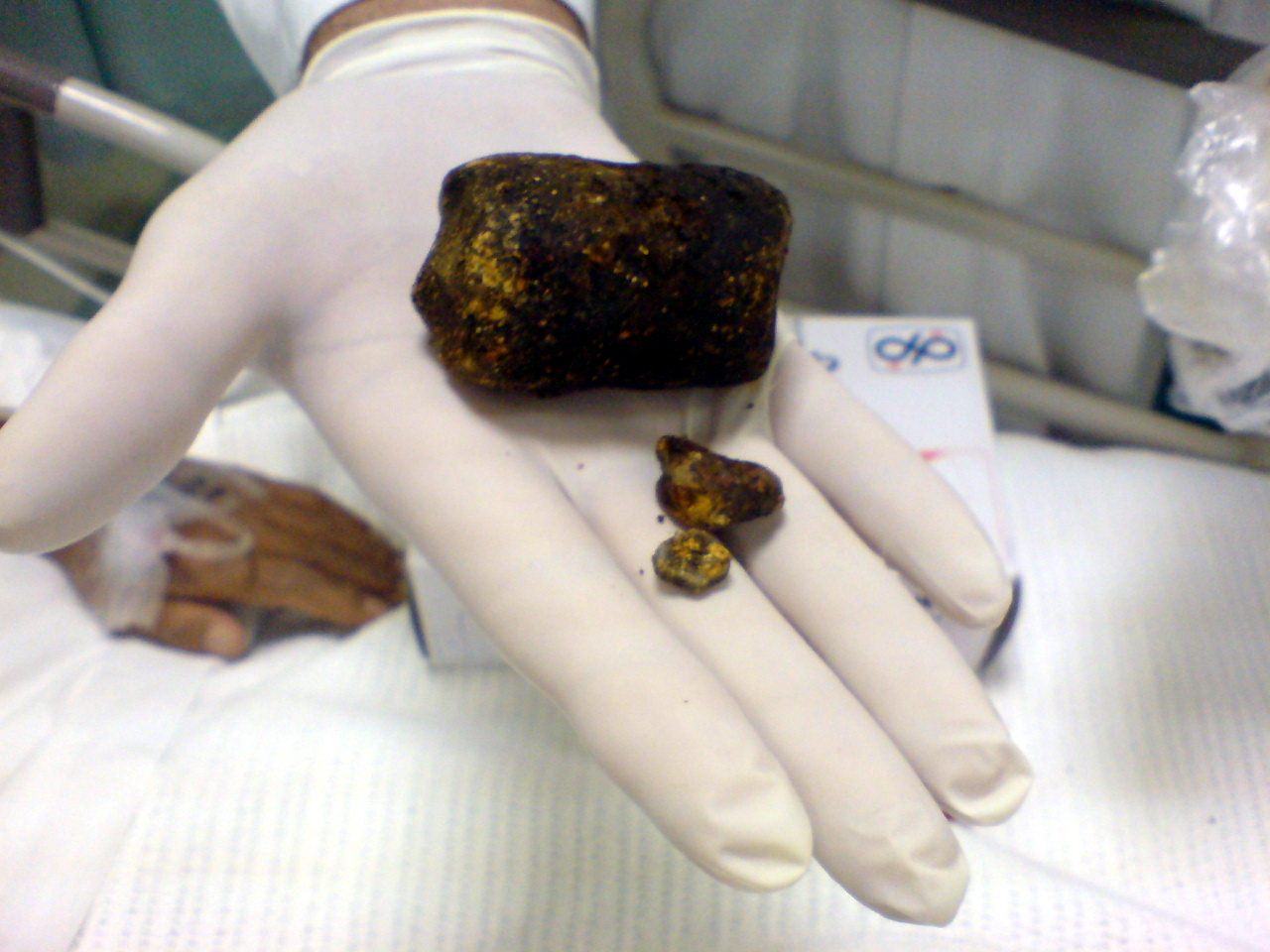
A gallstone, also called a biliary calculus, is a hardened particle that develops within the gallbladder or elsewhere in the biliary tract. Gallstones vary in size from tiny grains to stones large enough to cause blockage of the bile ducts. Many people with gallstones have no symptoms and require no immediate treatment, while others experience intense pain or complications that need urgent care.
Image gallery
10 Images




Types and how they form
Gallstones are commonly grouped into two broad categories:
- Cholesterol stones — formed when bile contains excess cholesterol that crystallizes; they are the most frequent type in many populations.
- Pigment stones — darker stones formed from excess bilirubin and often associated with hemolytic disorders or certain infections.
Formation is influenced by bile composition, gallbladder motility and concentration of bile. Risk factors include female sex, advancing age, obesity, rapid weight loss, pregnancy, and certain medical conditions or medications that change bile chemistry.
Symptoms and complications
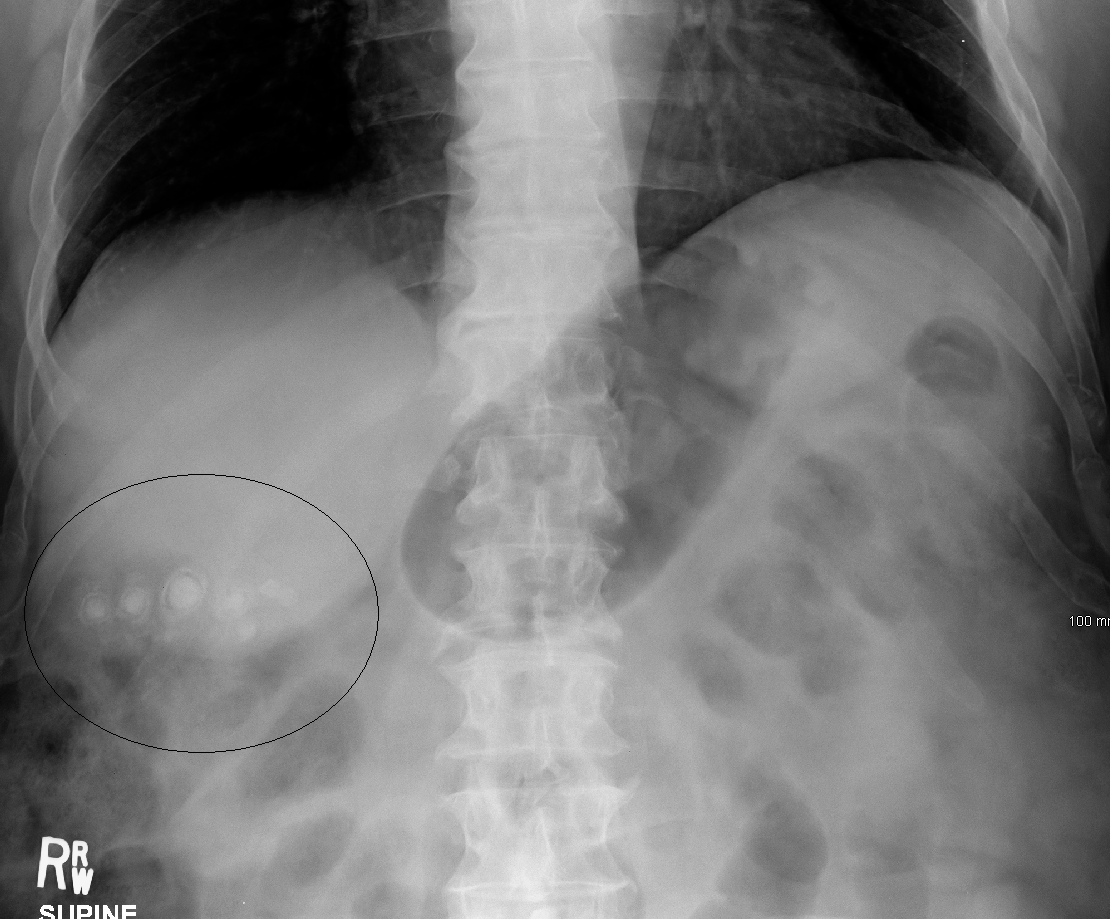
When a stone obstructs the cystic or common bile duct it can produce biliary colic: sudden, severe pain in the right upper abdomen that may radiate to the back or shoulder, often with nausea or vomiting. Complications include inflammation of the gallbladder (acute cholecystitis), blockage of the common bile duct (choledocholithiasis), infection of the bile ducts (cholangitis), and pancreatitis when a stone blocks the pancreatic duct.
Diagnosis and management
Diagnosis typically uses abdominal ultrasound as the first-line imaging test; blood tests and other imaging (HIDA scan, CT or MR cholangiopancreatography) help assess complications. Management strategies depend on symptoms and risk. Options include:
- Watchful waiting for asymptomatic stones.
- Laparoscopic cholecystectomy (gallbladder removal) for recurrent or severe symptoms.
- Endoscopic retrograde cholangiopancreatography (ERCP) to remove stones from the common bile duct.
- Medical dissolution with bile acids or lithotripsy in selected cases.
When pain or complications occur, prompt medical evaluation is advised and surgical treatment is often recommended; see local clinical resources for guidance: treatment options and referral.
Prevention and notable facts
Maintaining a healthy weight, avoiding very rapid dieting, and a balanced diet may reduce risk. Gallstones are common and account for frequent surgical procedures worldwide. Many affected people remain symptom‑free, so management is individualized based on symptoms, risks and overall health.
Epidemiology
Gallstone carriers account for 10 to 15 percent of the adult population, with women being affected about twice as often as men. The disease is particularly common in Western industrialized countries, and is even more common (60-70%) in the indigenous population of the Americas. It is less common in East Asia, sub-Saharan Africa and among African Americans. In Germany, about half of the people over 60 have gallstones.
Genetic causes
In mid-2007, researchers at the Universities of Kiel and Bonn discovered a mutation of the gene ABCG8 as a cause of gallstones. (Three to four other mutations are suspected.) This gene contains the building instructions for sterolins, which transport the blood fat cholesterol into the bile ducts. The mutation is thought to increase this transport, thereby promoting the formation of gallstones. Researchers are trying to inhibit the production of these proteins by introducing healthy genes or drugs and thus find new approaches for prevention and therapy.
Related articles
Author
AlegsaOnline.com Gallstone (Biliary Calculus): Causes, Types, Symptoms, and Treatment Leandro Alegsa
URL: https://en.alegsaonline.com/art/37333
Sources
- doi.org : 10.1111/j.1751-2980.2009.00378.x
- pubmed.ncbi.nlm.nih.gov : 19426399