
Roux-en-Y Gastric Bypass: Procedure, Benefits, Risks, and Long-Term Care
Overview of Roux-en-Y gastric bypass: surgical technique, who is eligible, expected weight-loss benefits, potential complications, and long-term nutritional and follow-up care.
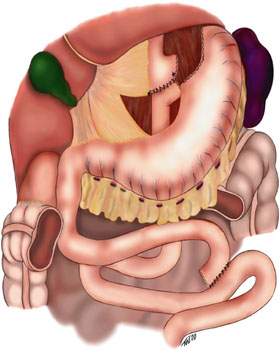
Gastric bypass is an operation that reduces the size of the stomach and rearranges the path of the small intestine so that food bypasses a portion of the gastrointestinal tract. It is a form of surgery used to produce substantial and sustained weight loss when less invasive measures have not worked.
Image gallery
2 Images
Who may be offered the procedure
Gastric bypass is usually considered for people with severe or obesity who have not achieved adequate weight loss through diet, exercise and medical treatment. It is also commonly used when excess weight contributes to serious health problems, such as type 2 diabetes, high blood pressure and certain other obesity-related conditions.
How the operation is done
There are several technical approaches. The most common bypass method creates a small gastric pouch and connects it to the small intestine (Roux-en-Y configuration), so that less food is ingested and fewer calories are absorbed. The procedure can be performed through a full open incision or by minimally invasive techniques using multiple small ports. When the operation is done using small incisions, the surgeon works inside the abdomen with specialized instruments and a camera.
Benefits and recovery
- Many patients experience significant weight loss and improvement in conditions such as diabetes and sleep apnea.
- When performed laparoscopically, recovery is often faster: shorter hospital stay, less postoperative pain, and quicker return to normal activities.
- Smaller incisions typically result in smaller scars.
Risks and long-term considerations
Like any major operation, gastric bypass carries risks. Early complications can include bleeding, infection, or leakage where the intestine is joined. Longer-term issues may include nutritional deficiencies, bowel obstruction, or changes in eating tolerance. There is also a small but real risk of death associated with the procedure; the exact rate depends on the patient's health, the type of operation, and the experience of the surgical team.
After surgery, lifelong follow-up is usually needed. Patients commonly require dietary counselling, regular monitoring of vitamin and mineral levels, and sometimes lifelong supplementation to prevent deficiencies.
Related articles
Author
AlegsaOnline.com Roux-en-Y Gastric Bypass: Procedure, Benefits, Risks, and Long-Term Care Leandro Alegsa
URL: https://en.alegsaonline.com/art/37692
Sources
- obesitymd.org : "Gastric Bypass"