
Frontiersman and Frontierswoman: life, role, and legacy
People who lived at the edge of settled society, shaping and surviving in borderlands; overview of skills, daily life, regional varieties, interactions with indigenous peoples, cultural impact, and legacy.
Frontiersmen and frontierswomen are people who lived, worked, and adapted in zones where settled communities met sparsely inhabited or wild lands. The phrase describes a social role rather than a single trade: these individuals cleared fields, built shelters, raised children, and combined subsistence farming with hunting, trapping, guiding and occasional trade. The frontier was often experienced as a borderland between established civilization and the unknown wilderness, a dynamic space of opportunity and risk.
Image gallery
10 Images



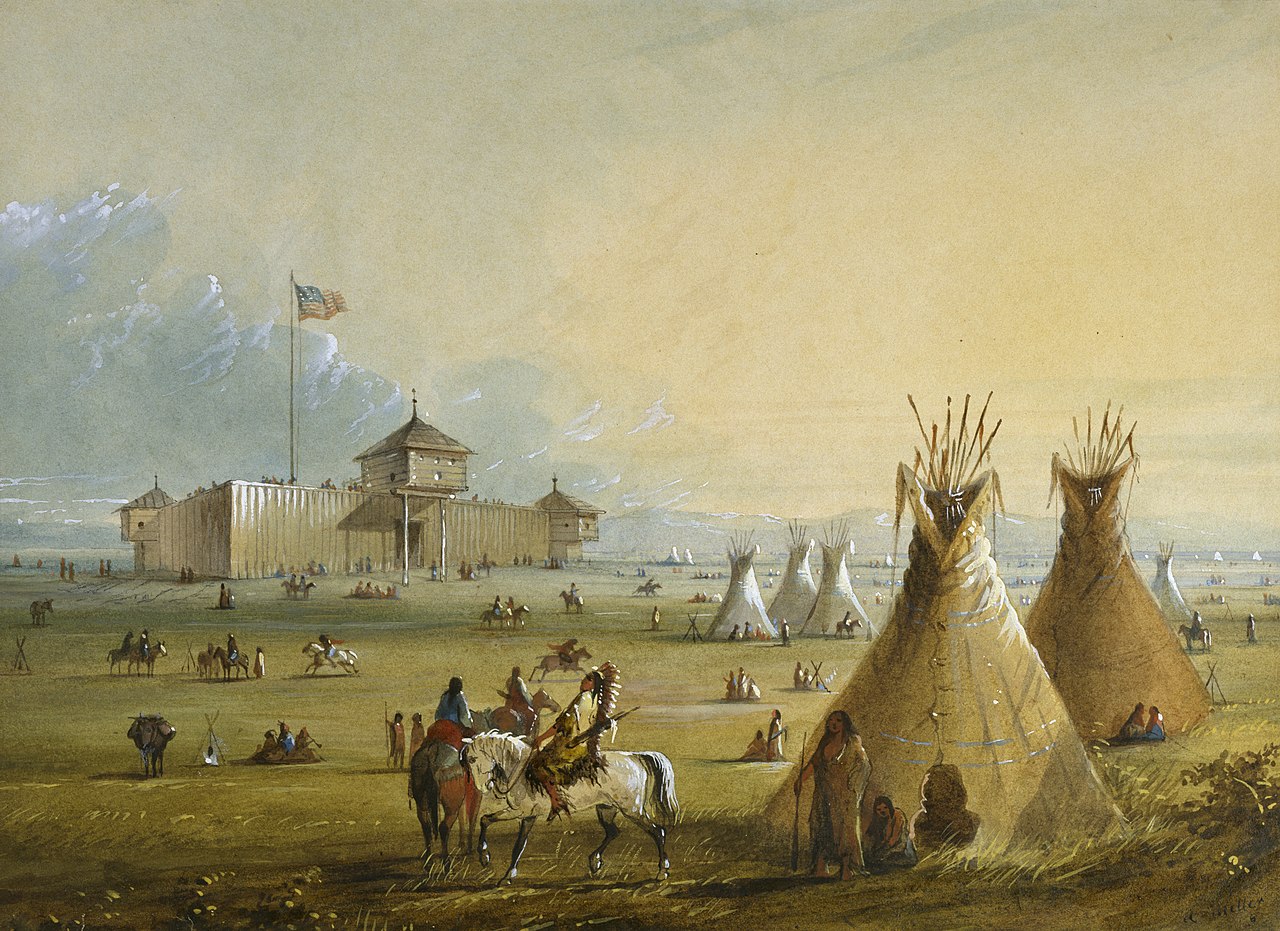

Daily life and skills
Survival on the frontier required a broad set of practical skills. People learned to make simple tools and shelters, preserve food by smoking or salting, tan hides for clothing, and repair gear. Hunting and trapping provided meat and furs; many families practiced mixed agriculture, storing grain and root crops for lean seasons. Knowledge of local plants, seasons, and weather was essential, as was the ability to improvise with limited supplies.
Gender roles and family work
Both men and women played vital roles. While men were often portrayed as explorers or hunters, women on the frontier managed homesteads, gardens, food preparation, clothing manufacture, and care of children and the sick. Children contributed labor from a young age. The shared labor of households made settlement possible and resilient in difficult environments.
Interaction, exchange, and conflict
Frontier zones were places of contact: trade, diplomatic exchange, intermarriage, and sometimes violent conflict with indigenous peoples and between competing groups of settlers. Many frontierspeople served as guides, interpreters, or intermediaries, learning indigenous languages and knowledge of the land. At the same time, settlement often disrupted local societies and ecosystems, producing long-term consequences for native communities and wildlife.
Regional patterns and notable figures
Experiences varied by region and climate. In North America, well-known individuals such as Davy Crockett, Daniel Boone, and Kit Carson became symbols of westward expansion, but the everyday work of frontier life was carried out by countless families, mixed-heritage communities, and less famous guides and traders. Comparable frontier processes occurred in Canada and Australia, where colonists, explorers, and indigenous peoples met at ecological and political edges. Scholars now emphasize the frontier as a zone of exchange and adaptation rather than a simple line of progress.
Legacy and cultural meaning
Frontierspeople shaped landscapes, transport routes, and local economies by introducing crops, livestock, and new technologies. Cultural images of the frontier—self-reliance, mobility, and exploration—have influenced national myths, literature, and popular media, while modern histories stress diversity, cross-cultural ties, and environmental impacts. The memory of frontier life remains contested: it is celebrated in some narratives and critically reassessed in others.
Further resources
- Settled vs. unsettled lands: definitions and examples
- Civilization and the idea of the frontier
- Wilderness and ecological aspects of frontier zones
- History of hunting, trapping, and the fur trade
- Frontier figures in American history
- Davy Crockett: brief biography and context
- Daniel Boone: exploration and settlement
- Kit Carson and western guides
- Frontier settlement in the United States
- Patterns of frontier life in Canada
- Australian frontiers and colonization
Related articles
Author
AlegsaOnline.com Frontiersman and Frontierswoman: life, role, and legacy Leandro Alegsa
URL: https://en.alegsaonline.com/art/36834