
Gaucho (Gaúcho): South American horseman and cultural figure
Gaucho (Portuguese Gaúcho) refers to the mounted herders of the South American pampas, a regional horseman and cultural symbol associated with Argentina, Uruguay, southern Brazil and parts of Chile.
Overview
The term gaucho (Spanish) or gaúcho (Portuguese) denotes a mounted rural worker and cultural figure from the South American grasslands. Historically centered on the pampas, they are best known in modern times from regions of Brazil, especially Rio Grande do Sul, as well as Uruguay, Argentina and parts of Chile. The gaucho occupies a role analogous to the North American cowboy but has distinct local traditions.
Image gallery
10 Images




Typical characteristics
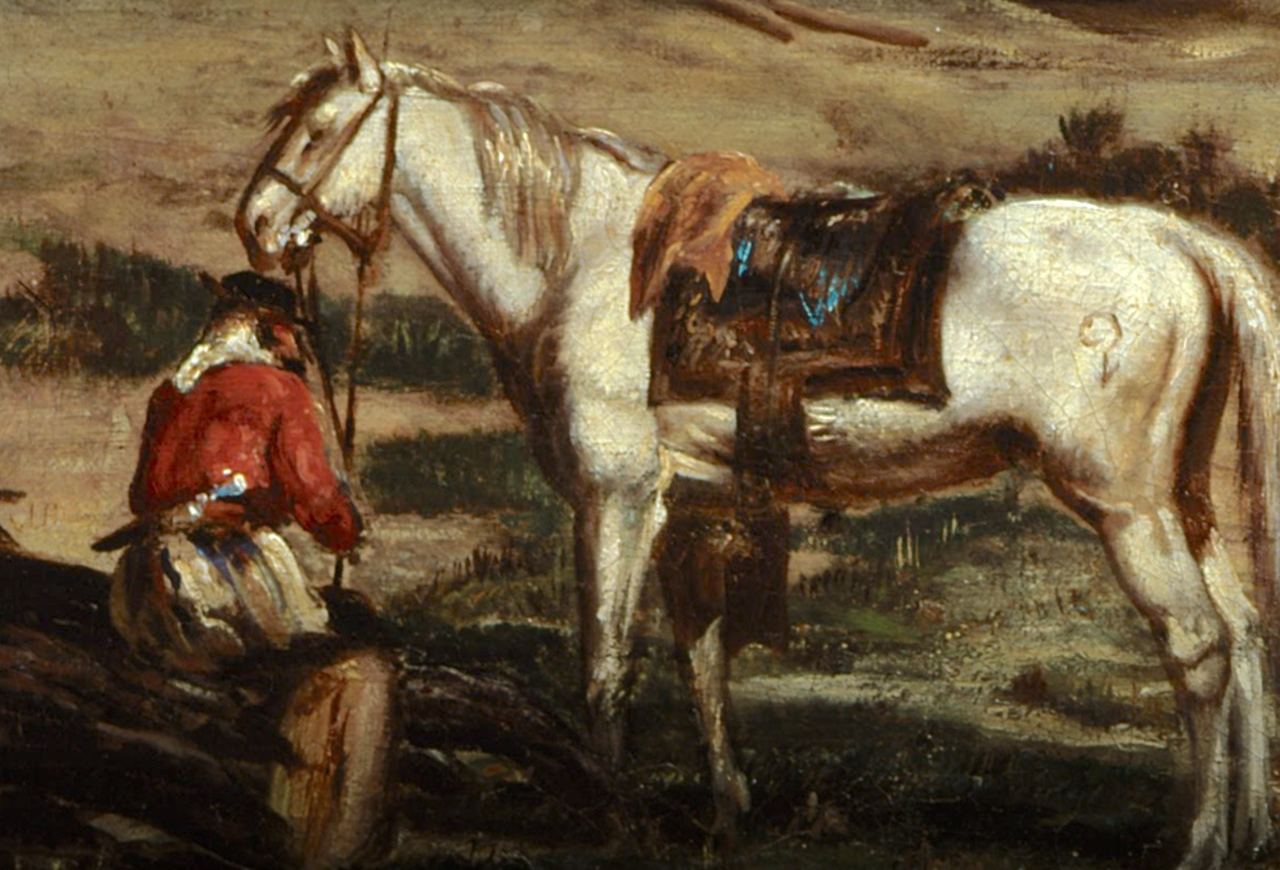
Gauchos are characterized by horsemanship, cattle work and a set of material culture adapted to open plains. Common elements include poncho, wide trousers (bombachas or bombachas de campo), leather boots, a wide-brimmed hat or beret, and a facón (large knife). Their skills emphasize riding, roping and managing cattle over long distances.
History and development
The gaucho lifestyle arose during the colonial and early national periods when European settlers, indigenous peoples and enslaved Africans mixed on the pampas. Free-ranging cattle provided the economic basis, and the mobility of mounted herders suited vast, sparsely populated grasslands. Over the 19th century, the figure of the gaucho became both a practical worker and a potent symbol in nation-building narratives.
Cultural importance and examples
Beyond livestock work, gauchos feature in literature, music and festivals. Folk songs (payadas), poetry and epic tales celebrate their independence and rural skills. National holidays and regional rodeos preserve gaitas, dances and horsemanship displays. In many countries the gaucho has been adopted as a symbol of freedom, rural identity and resistance to urban centralization.
Variations and distinctions
- Regional names and spellings differ: gaúcho is common in Portuguese-speaking Brazil, while gaucho is used in Spanish-speaking areas.
- Practical dress and tools vary according to climate and local stock-herding methods.
- Compared with the cowboy, the gaucho’s traditions emphasize a distinct repertory of music, knife use and social customs shaped by South American history.
Legacy
Today many descendants of gauchos work in modern ranching or celebrate the identity through folklore, sport and tourism. Museums, estancias (ranches) and cultural associations keep traditional skills alive while also reinterpreting the gaucho as part of national and regional heritage.
For more regional information see resources about Brazil, Rio Grande do Sul, Uruguay, Argentina and Chile, and comparative studies with North American ranching and cowboy traditions.
Questions and answers
Q: What is a gaucho?
A: A gaucho is a person who lives in the south regions of Brazil, mainly in Rio Grande do Sul. They can also be from Uruguay, Argentina, and Chile.
Q: What is the meaning of the term "gaúcho"?
A: "Gaúcho" is the Portuguese word for "gaucho".
Q: How do gauchos compare to North American cowboys?
A: Gauchos are similar to North American cowboys.
Q: What has made Argentina's gauchos a symbol of freedom?
A: Like North American cowboys, the gauchos of Argentina have become a symbol of freedom.
Q: Are gauchos exclusively from Brazil?
A: No, gauchos can also be from Uruguay, Argentina, and Chile.
Q: What is the Spanish word for gaucho?
A: The Spanish word for gaucho is "gaucho".
Q: Is being a gaucho a profession or a cultural identity?
A: Being a gaucho can be both a profession and a cultural identity.
Related articles
Author
AlegsaOnline.com Gaucho (Gaúcho): South American horseman and cultural figure Leandro Alegsa
URL: https://en.alegsaonline.com/art/37734