
German Canadians
Canadians of German-language or ethnic German ancestry: history of migration, regional communities, language and religion, cultural contributions, and contemporary identity.
Overview
German Canadians are Canadians who trace all or part of their ancestry to German-speaking regions. That includes people whose forebears came from what is now Germany, as well as immigrants from Austria, Switzerland and German-speaking communities of Eastern Europe. German heritage has shaped parts of Canadian life for more than two centuries, contributing to agriculture, commerce, the professions and civic life while also creating diverse regional communities and cultural institutions.
Image gallery
6 Images



Origins and history
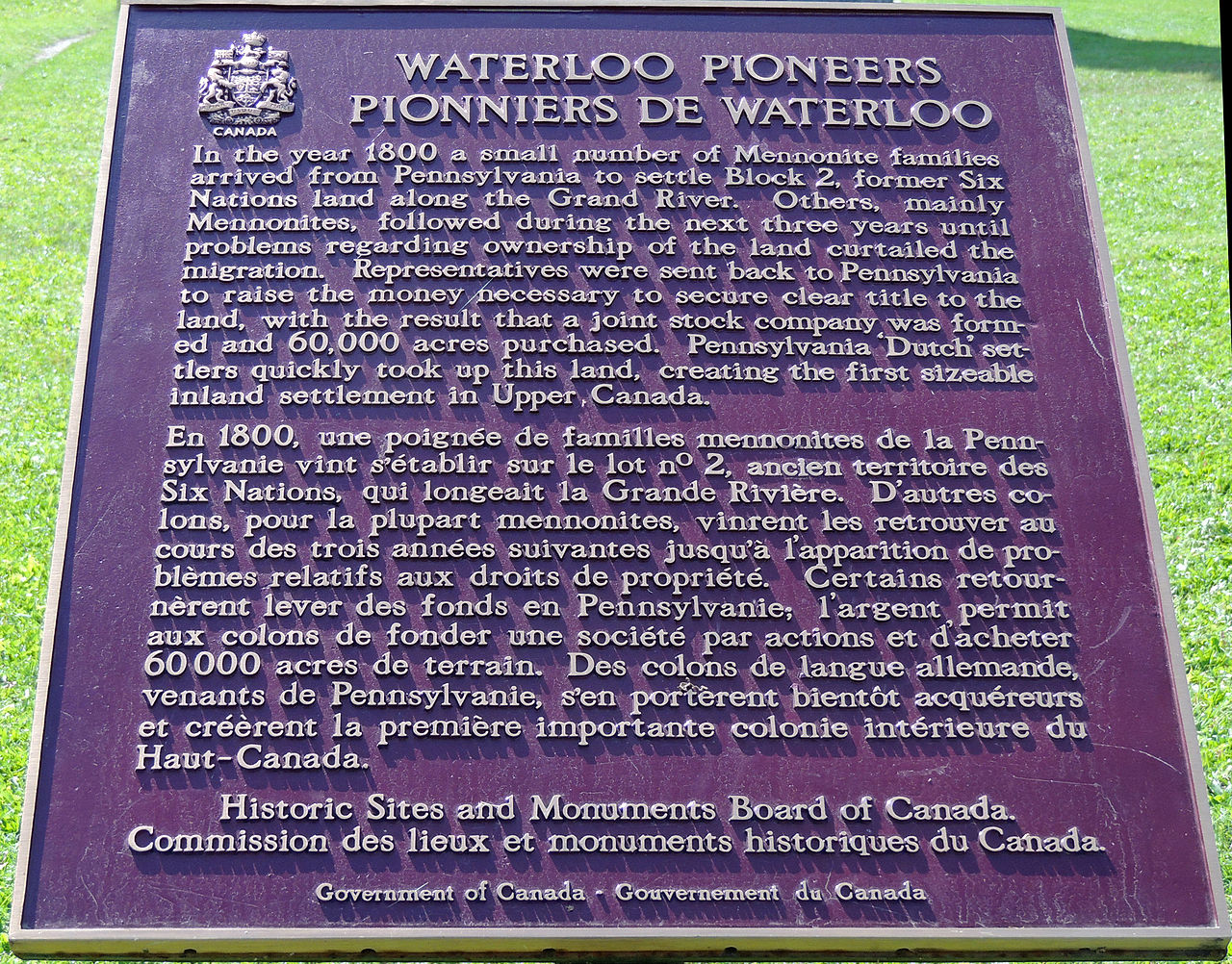
Migration from German-speaking areas began in meaningful numbers in the 18th century and continued through the 19th and early 20th centuries, with further waves after the Second World War and in recent decades. Early settlers included farmers seeking land, artisans and merchants, while some arrivals were refugees or displaced persons. Like other diaspora communities, German Canadians experienced acceptance and discrimination at different times; for example, public suspicion and restrictions affected German-language institutions during the two world wars.
Settlement and communities
German Canadians live across the country but have notable concentrations in several regions. Settlement patterns reflect occupation, religion and migration routes:
- Ontario: long-established towns and cities with German cultural life and festivals.
- Prairie provinces: many agricultural settlers, including Mennonite and Hutterite communities.
- British Columbia: urban and rural communities with later-wave immigrants.
- Quebec and Atlantic Canada: smaller but historically important groups and individuals.
Language and religion
Dialects and language use vary. Earlier generations often spoke regional German dialects or the standard language; heritage varieties such as Plautdietsch remain in some Mennonite communities. Over generations the use of German in public life has declined as English and French became dominant, though bilingual families, weekend schools and language classes persist. Religious life is diverse, including Lutheran and Roman Catholic congregations, Mennonite and Hutterite communities, and non‑religious members.
Culture and contributions
German Canadians have made visible cultural contributions: musical and choral traditions, clubs and societies, craft and culinary influences, and public festivals. Annual events, notably large Oktoberfest celebrations in some cities, draw wide participation. Historically German-language newspapers, schools and churches served as community anchors; today cultural associations, museums and local heritage projects keep traditions alive. Economically, German immigrants and their descendants have been active in farming, brewing, manufacturing, engineering, science and the professions.
Contemporary trends and identity
Contemporary German Canadian identity ranges from families with deep multi‑generational roots to recent arrivals who maintain strong ties with Europe. Many identify primarily as Canadian while valuing ancestral traditions. Interest in genealogy, heritage language programs and cultural festivals supports ongoing awareness of German roots within Canada’s multicultural framework. Community institutions continue to adapt, balancing preservation of distinct practices with integration into broader Canadian society.
Related articles
Author
AlegsaOnline.com German Canadians Leandro Alegsa
URL: https://en.alegsaonline.com/art/38450