
Fulani people: pastoral communities of the West African Sahel
Overview of the Fulani (Fula, Fulɓe): distribution across West Africa, language, culture, pastoralism, historical states, and contemporary issues including sedentarization and resource conflicts.
The Fulani—also called Fula or Fulɓe—are a broad grouping of related ethnic communities found across much of Sahelian and West Africa. They are widely known for cattle herding and long-distance trade, though many Fulani today are urban residents, farmers, scholars, or artisans. Their principal language is commonly known as Fulfulde, with regional names and dialects (Pulaar, Pular) reflecting the group’s wide distribution.
Image gallery
10 Images

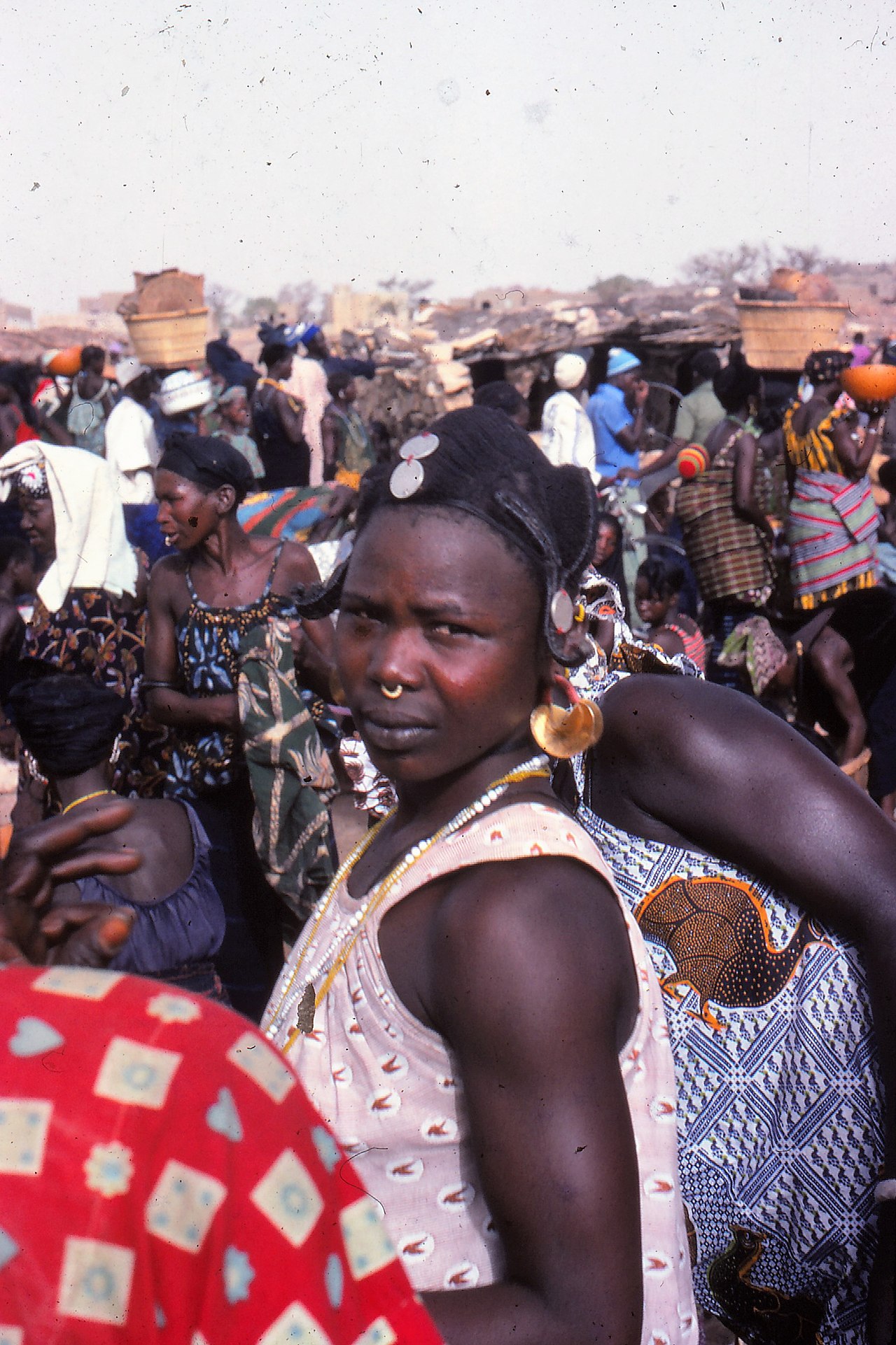


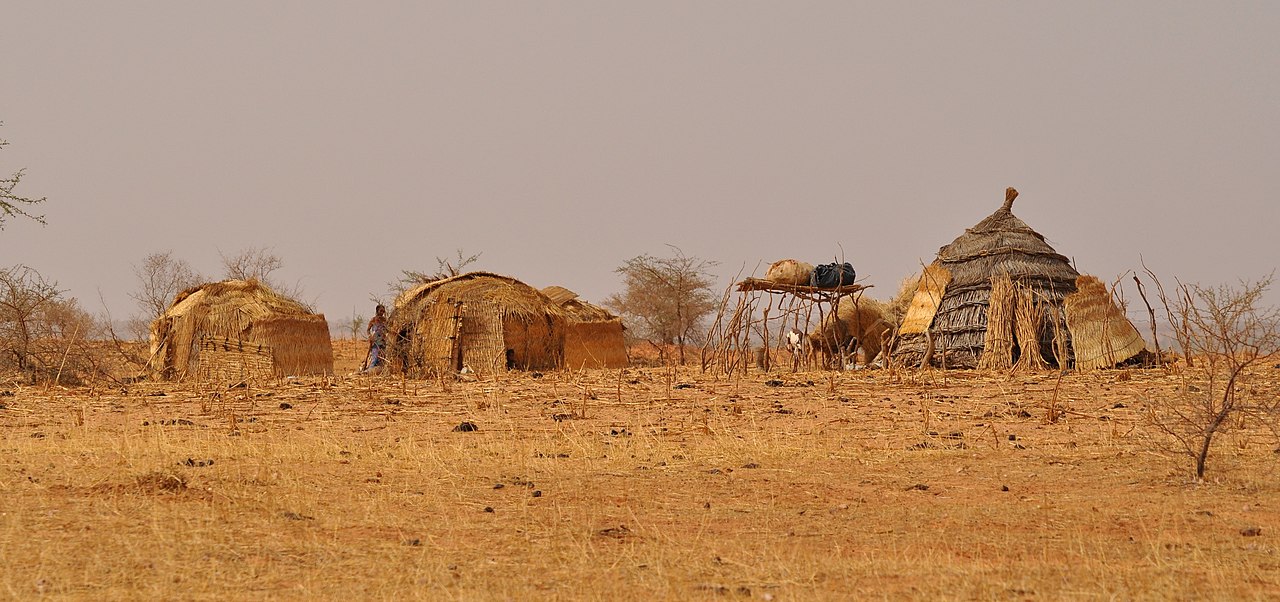


Distribution and social patterns
Fulani populations appear from the Atlantic coast to the western fringes of Central Africa. Typical regions include Senegal, Guinea, Mali, Niger, Nigeria, Cameroon and neighboring states. The group is made up of semi-nomadic pastoralists who practice transhumance, as well as settled or urban Fulani who engage in farming, trade and administration. This diversity means “Fulani” refers to linked cultural and linguistic identities rather than a single, uniform lifestyle.
Economy, culture and language
Cattle and pastoralism are central to many Fulani communities: ownership of herds shapes social status, ceremonies and seasonal movements. Alongside herding, Fulani historically participated in regional commerce and scholarship; many served as merchants and Islamic teachers. Their languages and dialects form a continuum often labeled Fulfulde, and the community is predominantly Muslim, with local religious and scholarly traditions. Elements of dress, music and oral poetry are distinctive cultural markers.
History and political influence
From the medieval era through the 18th and 19th centuries, Fulani groups were active in migrations, reform movements and the founding of states. Prominent examples include reformist Islamic polities established in areas like Futa Toro and parts of the western Sahel and the Sokoto Caliphate in what is now northern Nigeria. These developments spread Islamic learning and helped integrate Fulani elites into regional politics.
Contemporary issues
- Land and grazing: competition over pasture and farming land has increased in some areas because of population growth and environmental change.
- Urbanization and sedentarization: many Fulani have moved into towns, joined formal economies, or adopted mixed livelihoods.
- Conflict and politics: tensions between pastoralists and farmers sometimes lead to local disputes and broader political concern.
For introductions and more detailed regional studies see general resources on ethnic groups (ethnic groups) and the geography of West Africa. Further reading often covers their roles as cattle keepers and as traders across the Sahel.
Related articles
Author
AlegsaOnline.com Fulani people: pastoral communities of the West African Sahel Leandro Alegsa
URL: https://en.alegsaonline.com/art/36947
Sources
- books.google.com : "Nomads who Cultivate Beauty"