
French Polynesia: geography, status, islands and culture
Overview of French Polynesia, a French overseas collectivity in the South Pacific: its geography, island groups, political status, people, economy, environment and cultural traditions.
Overview
French Polynesia is a widely dispersed collection of more than one hundred islands and atolls in the south Pacific Ocean. It is an overseas collectivity of France with the particular local designation of an "overseas country"; its French name, Polynésie française, and the Tahitian name Porinetia Farani are in common use. The population is primarily of Polynesian heritage and shares cultural roots with other Polynesian societies.
Image gallery
10 Images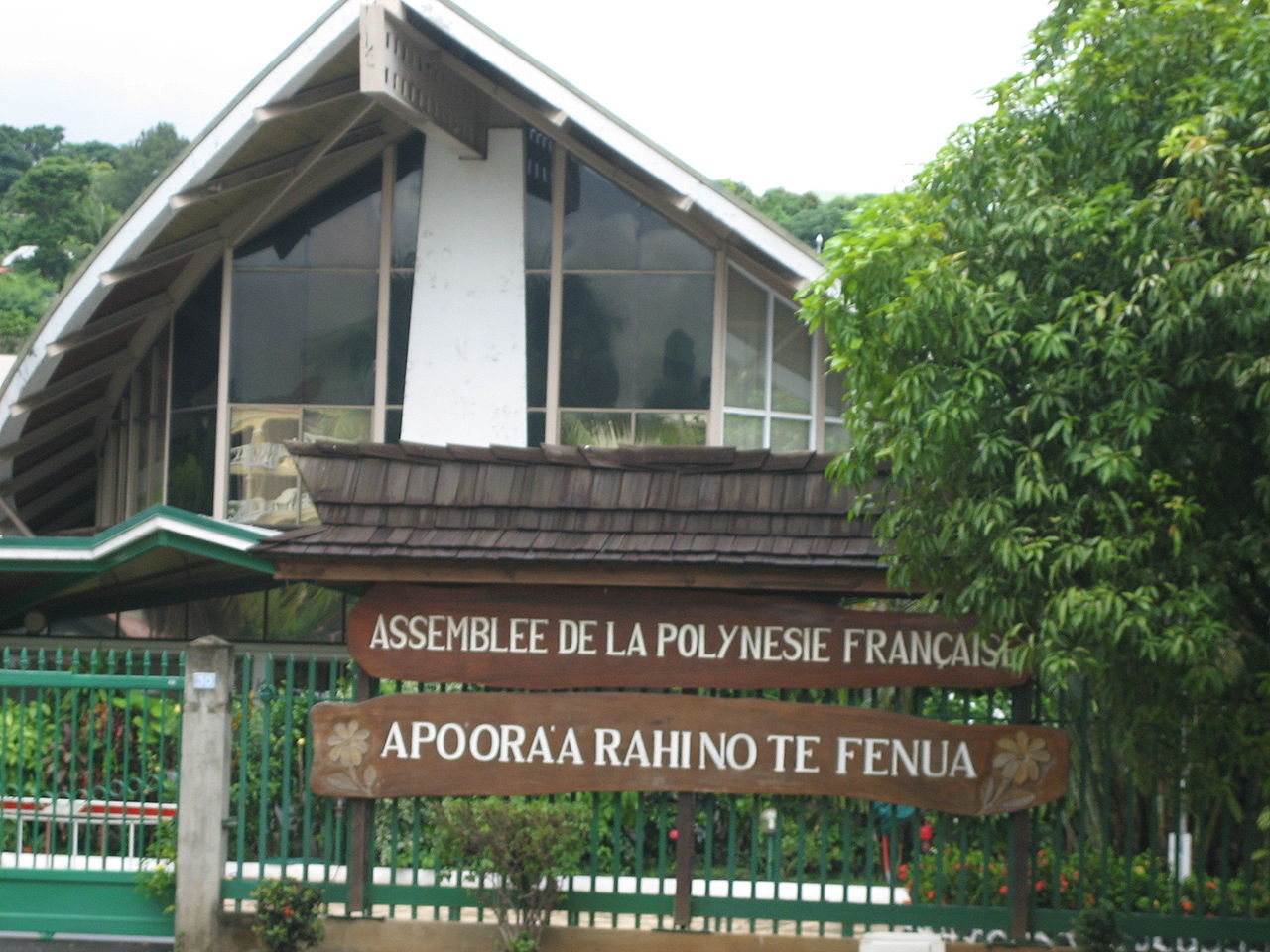




Geography and main island groups
The territory includes a mix of high volcanic islands and low coral atolls, offering lagoons, mountainous interiors and fringing reefs. Major island groups are the Society Islands (home to Tahiti and the capital Papeete), the Marquesas Islands, the Tuamotu atolls, the Gambier Islands, and the Austral Islands. Many well known individual islands and atolls such as Bora Bora and Moorea attract international visitors, while the Tuamotu Archipelago is noted for its extensive ring-shaped coral atolls. For general reference and mapping, see regional islands resources.
Island groups (selected)
- Society Islands — Tahiti, Moorea, Raiatea and others; Tahiti is the most populous island and the administrative centre.
- Tuamotu Archipelago — a vast chain of low coral atolls celebrated for diving and pearl farming.
- Marquesas Islands — remote, rugged volcanic islands with distinctive cultural and artistic traditions.
- Gambier and Austral Islands — smaller groups with mixed volcanic and coral geology, often more isolated.
- Outlying territories — administration of Clipperton Island has sometimes been associated with the territory; Clipperton is not part of the collectivity but is linked administratively in some contexts (Clipperton).
Political status and administration
French Polynesia has a degree of internal autonomy with locally elected institutions managing many domestic affairs, while France retains responsibility for defence, foreign policy and certain other areas. The territory has its own assembly and an executive that handles local governance. Legal and institutional arrangements have evolved through accords between local leaders and the French state.
History and contemporary issues
Polynesian settlement predates European arrival by many centuries. European contact from the 18th century onward brought new goods, missions and later colonial administration. In the 20th century French presence intensified and the territory became an overseas collectivity. France carried out nuclear tests in the region during the 20th century at remote atolls; these tests prompted local and international concern and remain a subject of historical, environmental and health interest.
Population, language and culture
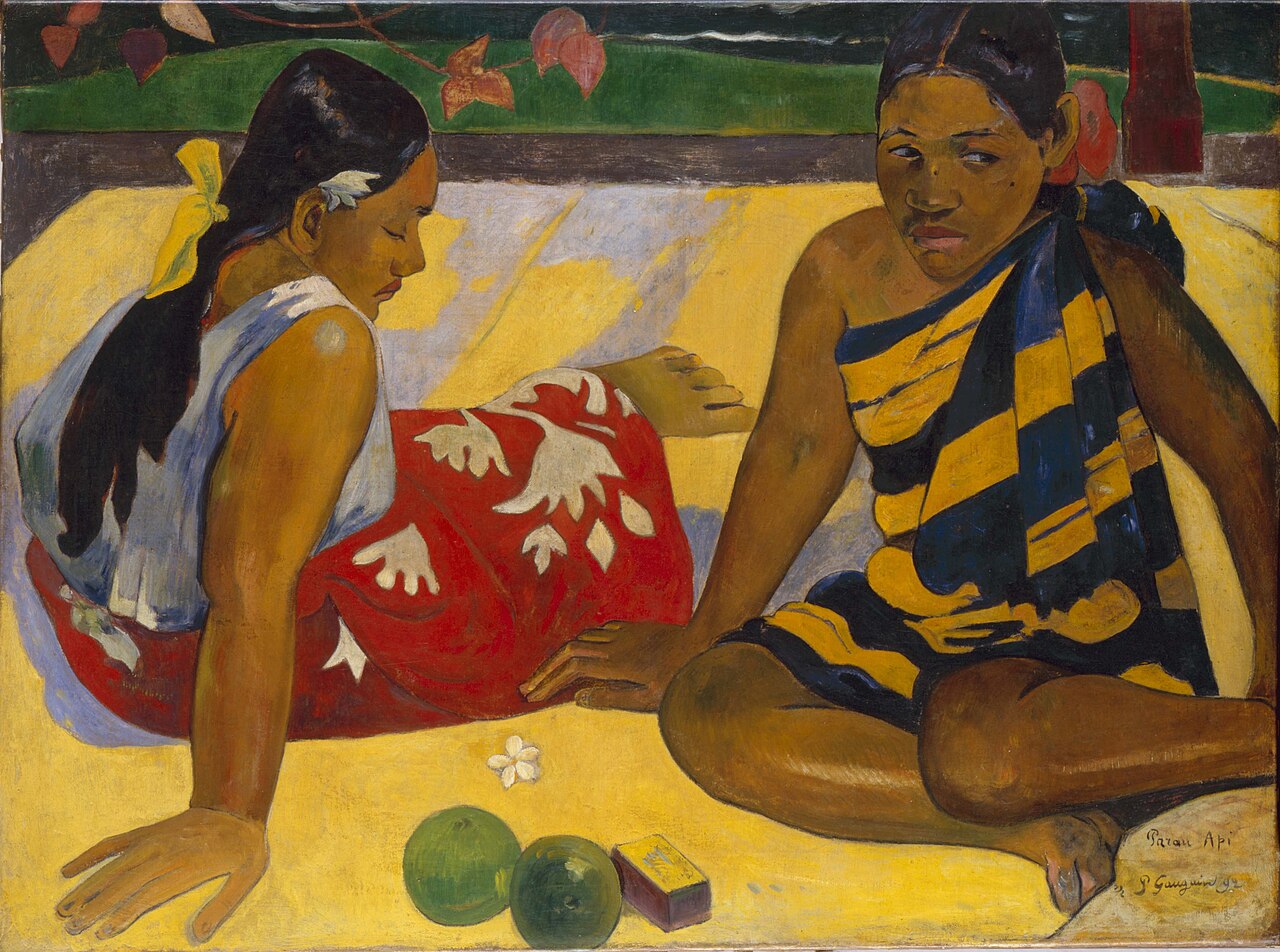
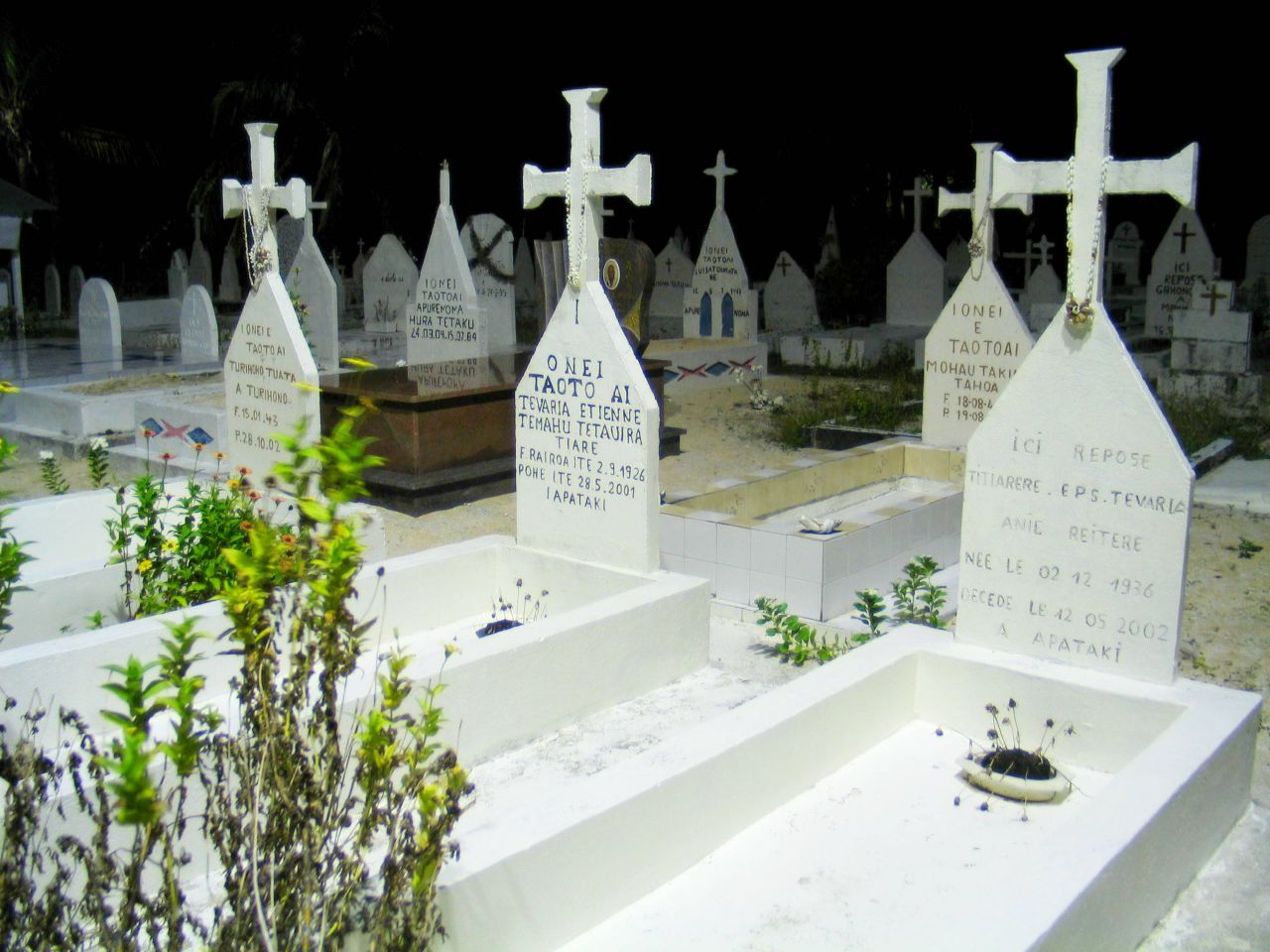
Most inhabitants are of Polynesian ancestry, with cultural life shaped by traditional music, dance, navigation, carving and tattooing, complemented by modern French influences. French is the official language of administration and education, while Tahitian and other Polynesian languages are widely spoken and taught. Religious practice is predominantly Christian, reflecting missionary influence from the 19th century.
Economy and transport
The economy relies on a mix of tourism, pearl farming (notably black pearls), fishing, small-scale agriculture and public-sector employment. Tourism centres on scenic lagoons, water sports and cultural experiences. The local currency is linked to France, and infrastructure varies between the main islands and more remote atolls; inter-island air and sea links are vital for movement of people and goods.
Environment and conservation
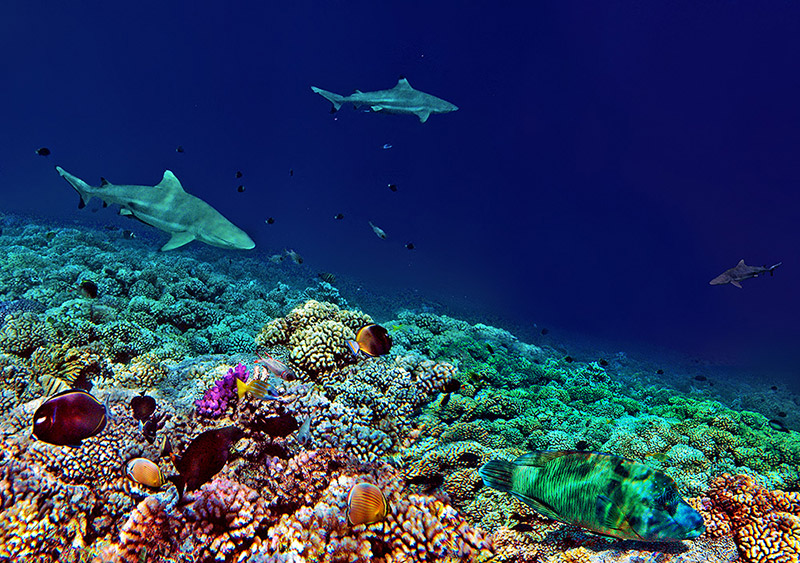
Coral reefs, endemic species and fragile island ecosystems make conservation a priority. Many low-lying atolls are vulnerable to sea-level rise and extreme weather, prompting adaptation planning and efforts to promote sustainable tourism and marine protection. Volcanic islands support different habitats and freshwater resources compared with coral atolls, contributing to the region's biological diversity.
Further reading and resources
Readers seeking maps, official documents or travel information can consult government and regional resources as well as cultural overviews and scientific studies. For administrative names, cultural background and island lists see the links in this article and dedicated regional guides (French names, French administration, oceanic setting, Polynesian cultures, island directories, Tahiti, Society Islands, Papeete, Clipperton, Marquesas, Tuamotu atolls, Bora Bora).
Related articles
Author
AlegsaOnline.com French Polynesia: geography, status, islands and culture Leandro Alegsa
URL: https://en.alegsaonline.com/art/36610
Sources
- cia.gov : "French Polynesia"
- ispf.pf : "R1- Population sans doubles comptes, des subdivisions, communes et communes associées de Polynésie française, de 1971 à 1996"
- esa.un.org : "World Population Prospects: The 2017 Revision"
- insee.fr : "Population des communes de Polynésie française"
- commons.wikimedia.org : French Polynesia
- wikidata.org : wikidata.org/wiki/Q30971
- catalogue.bnf.fr : cb118653379
- data.bnf.fr : (data)
- d-nb.info : 4018191-1
- musicbrainz.org : 8b681e01-6c95-3b24-ae60-5cdbcb1d7dce
- catalog.archives.gov : 10035691
- id.ndl.go.jp : 00563741
- aleph.nkp.cz : ge129153
- idref.fr : 026398443