
Ampato (Andean stratovolcano in southern Peru)
Ampato is a prominent stratovolcano in southern Peru's Andes, known for its high summit, glaciation, archaeological finds and proximity to active volcanoes in the Central Volcanic Zone.
Overview
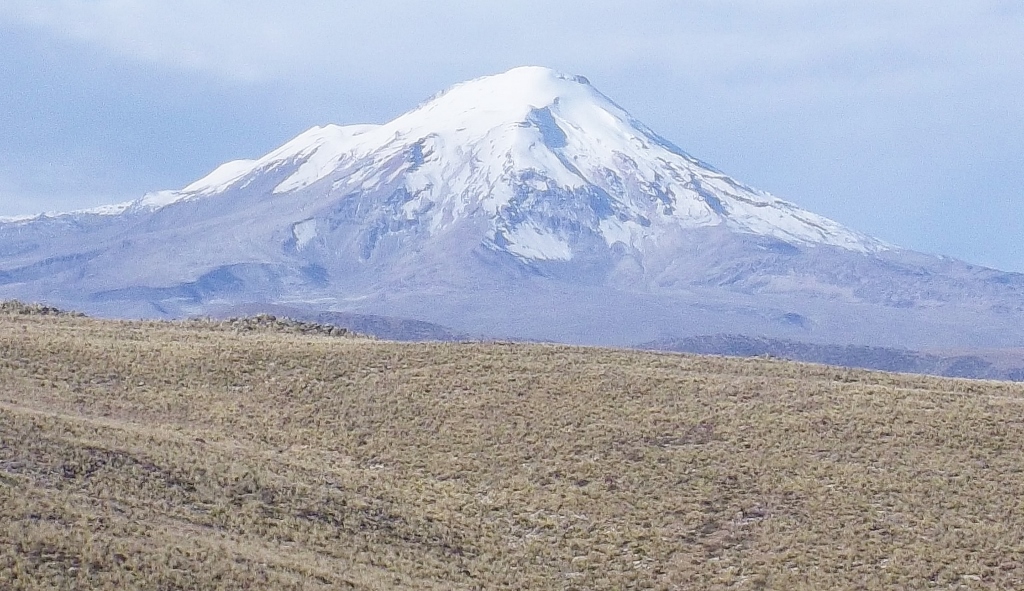
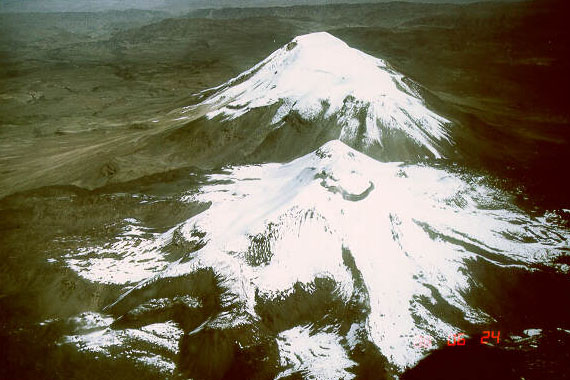
Ampato is a high Andean stratovolcano in southern Peru, rising to about 6,310 metres above sea level. It forms part of the western Cordillera of the Andes and belongs to the volcanic group that includes Hualca Hualca and the active Sabancaya. Its snow-covered summit and glaciers feed local streams and contribute to regional water supplies.
Image gallery
4 Images

Geology and physical features
Ampato is a composite volcano with a layered structure of lava flows and pyroclastic deposits. The mountain displays alpine glaciation near the summit and steep, rugged flanks that drop toward the Colca Canyon region. It sits within a larger volcanic range of the Central Volcanic Zone, which is part of the tectonically active Andean arc.
History and archaeology
Ampato is notable not only for its geology but for its cultural history. In 1995 an exceptionally well-preserved Inca child sacrifice, often called the "Ice Maiden" or Juanita, was recovered from a high glacier site on the mountain. The find provided rare direct evidence of Inca ceremonial practices at high altitude and stimulated research into ritual use of Andean summits.
Climbing, access and significance
The mountain is a destination for experienced mountaineers; routes involve glacier travel and high-altitude acclimatization. Base access is commonly from the Arequipa region in Peru, with logistical support available from nearby towns. Ampato is considered sacred by indigenous communities and figures in local folklore.
Key facts and distinctions
- Elevation: approximately 6,310 m (reported figures vary).
- Part of the Central Volcanic Zone of the Andes and near active neighbors like Sabancaya.
- Archaeological importance due to high-altitude Inca offerings.
- Ranked among the higher Andes peaks; sometimes listed as the 33rd highest in the cordillera (ranking sources).
Ampato continues to attract geologists, archaeologists, and climbers for its combination of natural grandeur, scientific interest and cultural meaning. For practical planning, visitors should consult local guides and recent conditions because glacial extent and access routes can change with climate and volcanic activity.
Related articles
Author
AlegsaOnline.com Ampato (Andean stratovolcano in southern Peru) Leandro Alegsa
URL: https://en.alegsaonline.com/art/3639