
Ancash Region, Peru
Ancash is a coastal‑Andean region in north‑central Peru, noted for the Cordillera Blanca, Huaraz valley, Huascarán National Park, mining, agriculture and important archaeological sites.
Overview
Ancash is a region on the western slope of the Peruvian Andes, located north of Lima. It combines coastal plains, steep valleys and high mountain ranges and is officially known in Spanish as Áncash. The regional capital and principal transport hub is Huaraz, a city set in the Callejón de Huaylas valley between two Andean ranges.
Image gallery
10 Images





Geography and environment
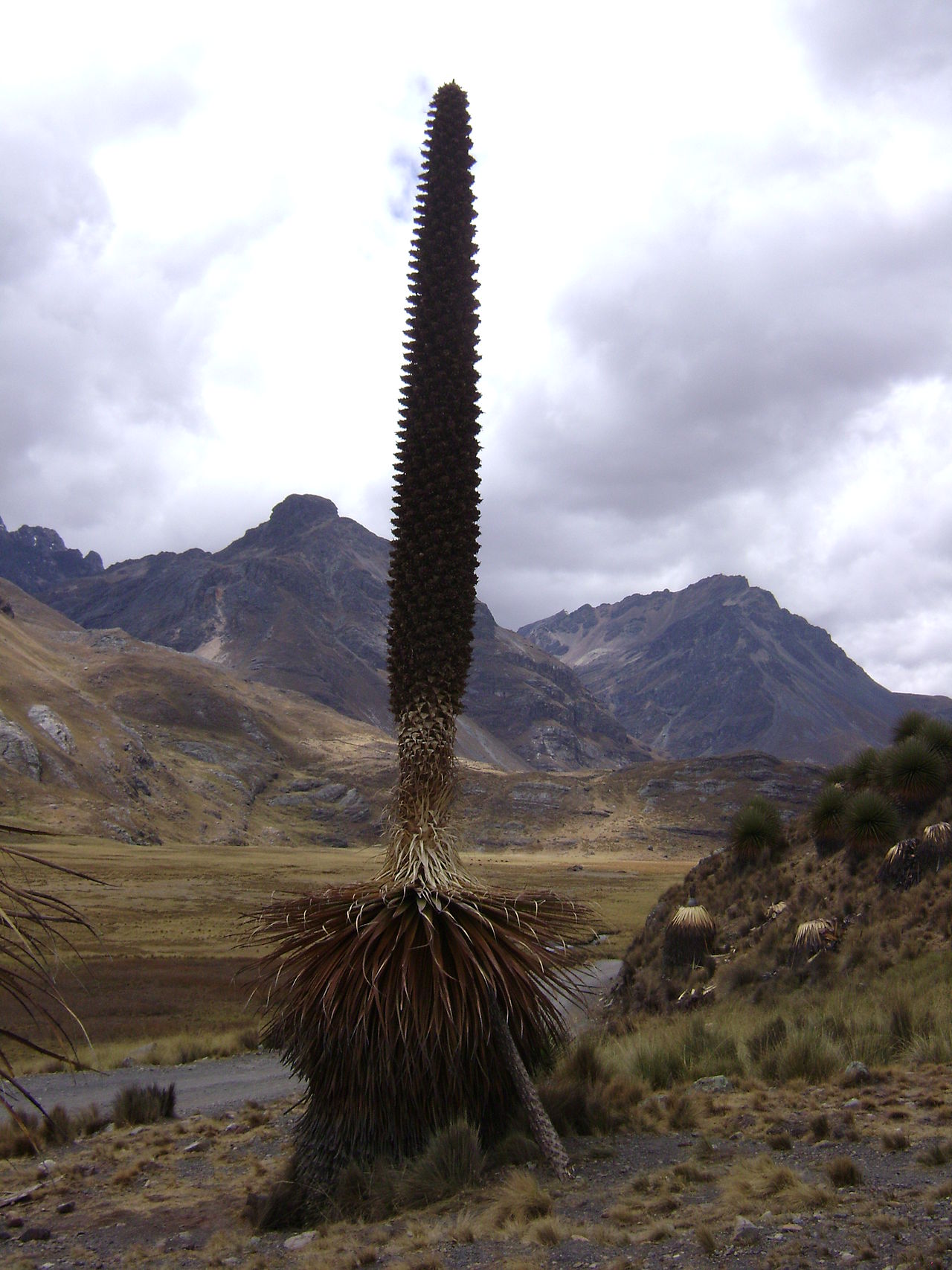
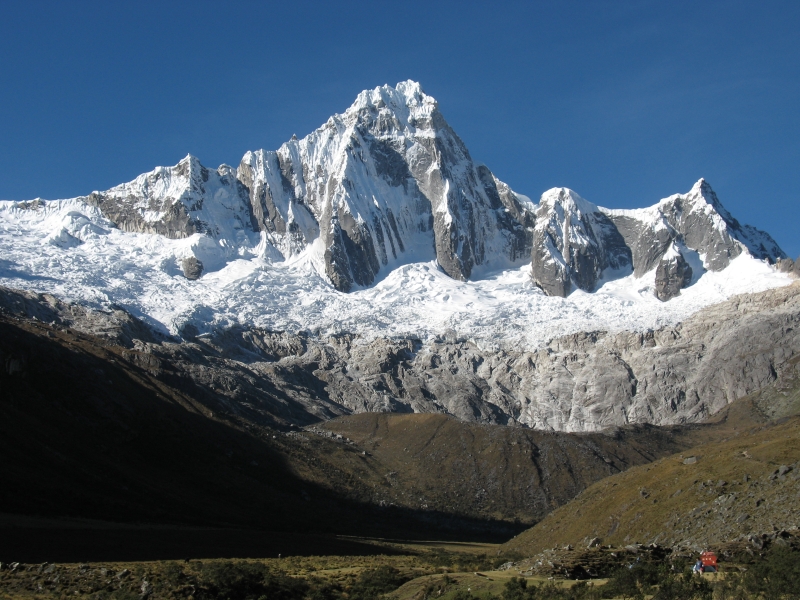
The territory stretches from the Pacific shoreline to the high Andean cordilleras. It borders the Pacific Ocean on the west and rises to snow‑topped peaks above 6,000 metres in the Cordillera Blanca to the east. Much of that high mountain area is protected as Huascarán National Park, noted for glaciers, alpine lakes and wildlife such as the Andean condor and highland mammals.
The Callejón de Huaylas valley lies between the Cordillera Blanca and the Cordillera Negra and has long been the region's cultural and agricultural heart. Rivers born in the mountains feed irrigation systems that sustain coastal and valley cultivation, producing a variety of crops adapted to distinct elevations and microclimates.
Notable features
- High mountain landscapes: the Cordillera Blanca and Cordillera Negra dominate the eastern highlands.
- Protected areas and water sources: glaciers, lagoons and the Huascarán park sustain biodiversity and local water supplies.
- Archaeology and heritage: pre‑Inca ceremonial centers, including the Chavín complex at Chavín de Huántar, illustrate long human occupation.
- Government and administration: Ancash is a Peruvian region subdivided into provinces and districts; consult administrative resources for maps and statistics.
History, culture and economy
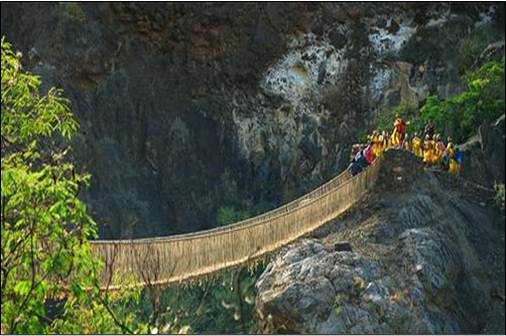
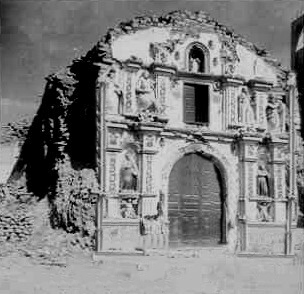
Ancash preserves a mix of indigenous Andean traditions and colonial influences. Its archaeological sites show the region's role in early Andean ceremonial and political life. In modern times the economy combines agriculture and fisheries on the coast, mineral extraction in mountain zones and a growing tourism sector centered on trekking, climbing and cultural tourism.
Importance and challenges
The region is important for Peru's water supply, biodiversity and mineral resources, but faces environmental and infrastructure challenges, including seismic activity and glacial retreat. Huaraz and surrounding valleys serve as bases for visitors drawn to high peaks, while coastal districts support ports and fisheries that link Ancash to national markets.
Related articles
Author
AlegsaOnline.com Ancash Region, Peru Leandro Alegsa
URL: https://en.alegsaonline.com/art/3813