
Amur River (Heilongjiang) — Major River of Northeast Asia
The Amur (Heilongjiang) is a major Northeast Asian river forming part of the China–Russia border. It flows east to the Pacific, supports diverse ecosystems, and has long geopolitical and economic importance.
Overview
The Amur River, known in Chinese as Heilongjiang ("Black Dragon River"), is one of the world's longest rivers, often ranked among the top ten by length. It runs broadly eastward across northeastern Asia and for much of its middle course forms the international boundary between China and Russia. The river's basin supports agriculture, fisheries and a range of urban centers, while its wetlands and floodplains are important for migratory birds and freshwater biodiversity.
Image gallery
7 Images




Course and main features
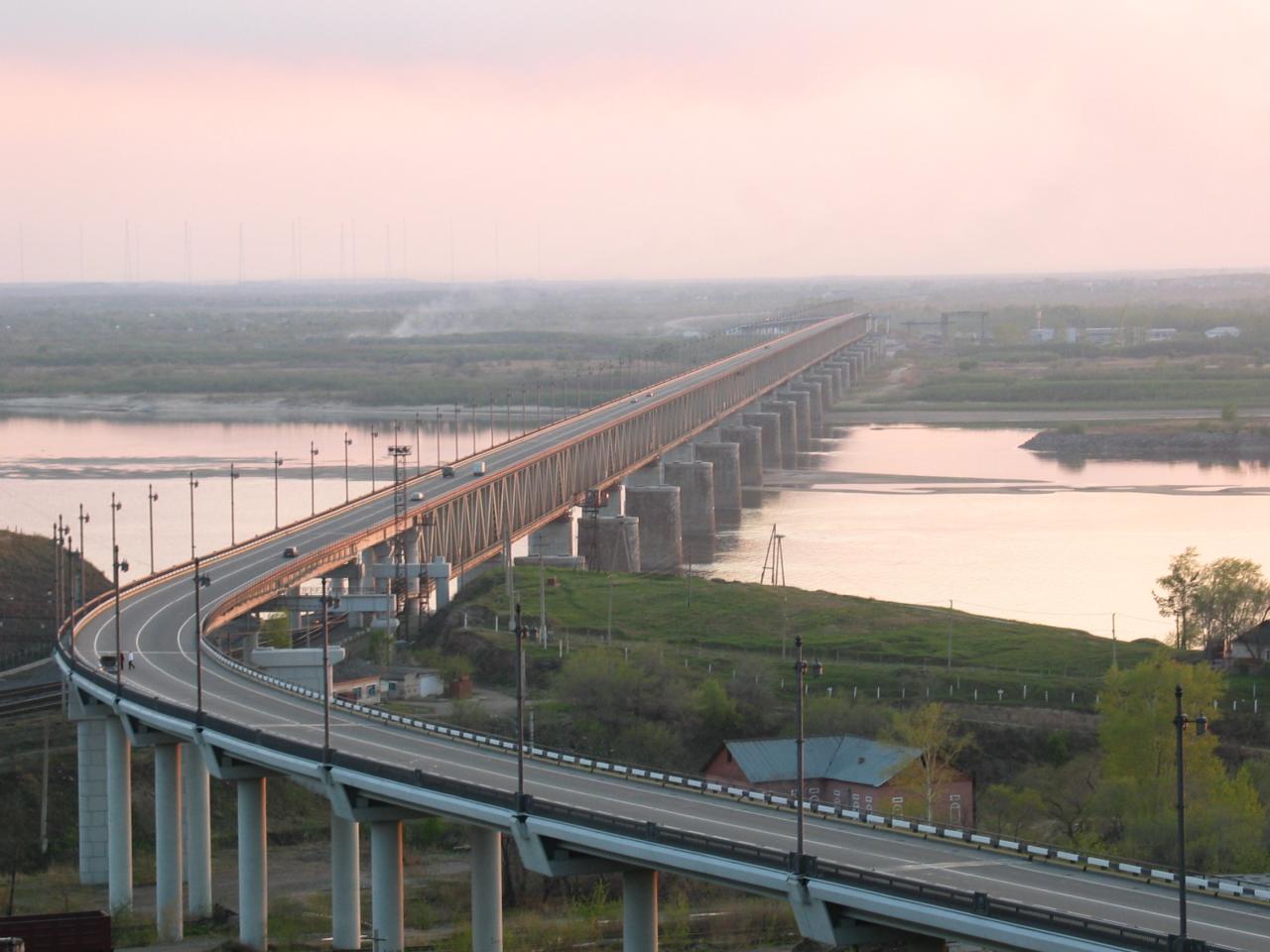
The Amur is born where two long tributaries meet and continues to the sea via a wide estuary. Major tributaries include the Songhua (Sungari) from China and the Zeya and Bureya from the Russian side. The river empties into the western Pacific region through a broad estuary leading to the seas north of Japan. Seasonal snowmelt and spring rains drive a strong flood regime that shapes the river's channels and floodplain habitats.
Key facts
- Approximate length: roughly 4,400 km, making it one of the planet's longest rivers.
- Source: formed by the joining of headstreams in the interior of northeast Asia.
- Mouth: a wide estuary opening toward the Pacific between mainland Russia and nearby islands.
- Important tributaries: Songhua, Zeya, Bureya and others.
Ecology, uses and cities
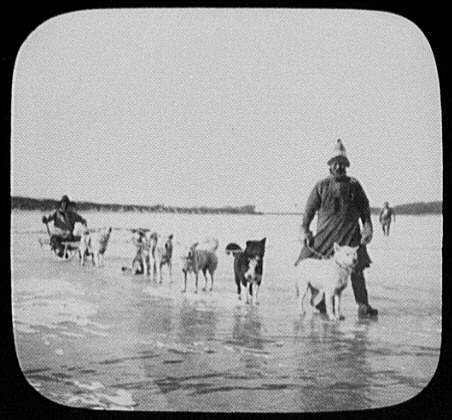
The Amur basin contains mixed forests, extensive wetlands and productive floodplain meadows. It supports commercial and subsistence fisheries and provides water for irrigation and industry. Notable cities on or near the river include Khabarovsk and Blagoveshchensk on the Russian side and Heihe and other Chinese cities along its banks. Navigation is possible over long stretches, though seasonal ice and shoals restrict traffic.
History, border role and conservation
The Amur has been a cultural and strategic frontier for centuries, influencing settlement, trade and occasional disputes between neighboring states. Its border role continues to shape development choices—large dams on the main stem have been limited, though several hydroelectric projects exist on tributaries. Environmental concerns include habitat loss, water pollution from upstream industry, overfishing and the impacts of climate variability. Transboundary cooperation and regional conservation initiatives aim to balance human use with protection of the river's ecological values.
For further general information see Amur River overview, regional context in Northeastern China and the Russian Far East at Russian Far East.
Tags
Related articles
Author
AlegsaOnline.com Amur River (Heilongjiang) — Major River of Northeast Asia Leandro Alegsa
URL: https://en.alegsaonline.com/art/3690