
Fossil-fuel power station
A thermal electricity plant that converts heat from burning fossil fuels into mechanical and electrical energy; common fuels include coal and natural gas and operations produce CO₂ and other pollutants.
A fossil-fuel power station is a large industrial facility that generates electricity by burning fuels. The basic process converts chemical energy in the fuel into heat, then into mechanical energy, and finally into electrical energy using an electrical generator. Combustion — the burning of fuel in a controlled environment — provides the thermal energy that drives turbines and other converting machinery.
Image gallery
6 Images


How it works
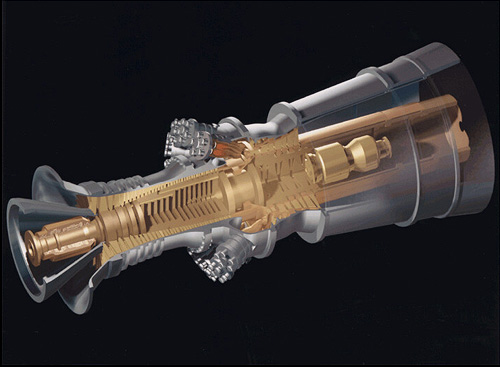
Most fossil-fuel stations operate on a thermal cycle. Heat from combustion creates high-pressure steam or expands hot gases that turn turbines connected to generators. Plant designs vary, but common elements include boilers or combustors, turbine stages, generators, condensers and cooling systems. Modern designs may use combined-cycle arrangements to extract more energy from the same fuel.
Major components
- Fuel handling and storage (coal bunkers, gas pipelines).
- Combustion equipment: boilers, furnaces or gas turbines.
- Turbines and generators that produce electricity.
- Emission controls and flue-gas treatment systems.
- Cooling systems and electrical switchgear for grid connection.
The fuels burned are fossil fuels such as coal and natural gas. Combustion emits several pollutants; most notably, it produces carbon dioxide, which is classified as a greenhouse gas. These emissions are a primary link between fossil-fuel electricity generation and long-term climate change.
History and development
Fossil-fuel stations evolved from early steam engines and small local plants to large centralized stations serving regional grids. Over the 20th century they became the backbone of industrial electricity supply. Technological advances — higher-pressure steam cycles, gas turbines, combined-cycle plants and pollution-control equipment — improved efficiency and reduced some local pollutants, though carbon emissions remain significant.
Uses and significance
These plants provide continuous baseload power and flexible peaking capacity in many electricity systems. Their existing infrastructure, dispatchability and fuel availability have made them economically important in regions with established fossil resources. They also play roles in heating and industrial processes where heat or high-temperature steam is required.
Environmental impact and mitigation
Because they emit large amounts of CO₂, fossil-fuel power stations are a major contributor to anthropogenic global warming. To reduce impacts, operators deploy measures such as higher-efficiency combined cycles, flue-gas desulfurization, selective catalytic reduction for NOx, particulate filters, and, increasingly, carbon capture and storage. Transition strategies include fuel switching to lower-carbon gases, increased renewable generation, and demand-side measures to lower overall dependence on combustion-based electricity.
Understanding the technical role and environmental footprint of fossil-fuel power stations is essential for energy planning, emissions regulation and the global shift toward low-carbon energy systems.
Related articles
Author
AlegsaOnline.com Fossil-fuel power station Leandro Alegsa
URL: https://en.alegsaonline.com/art/35831