
Fortune cookie
Crisp folded cookie containing a small slip with a short message; a novelty confection associated with Chinese-American restaurants and lighthearted predictions or advice.
A fortune cookie is a small, thin, crisp cookie folded around a narrow slip of paper bearing a short message. Commonly served as a dessert in Chinese restaurants in North America and other parts of the world, the cookie combines a mild sweet flavor with a novelty element: an unexpected phrase, tip, or set of numbers tucked inside.
Image gallery
7 Images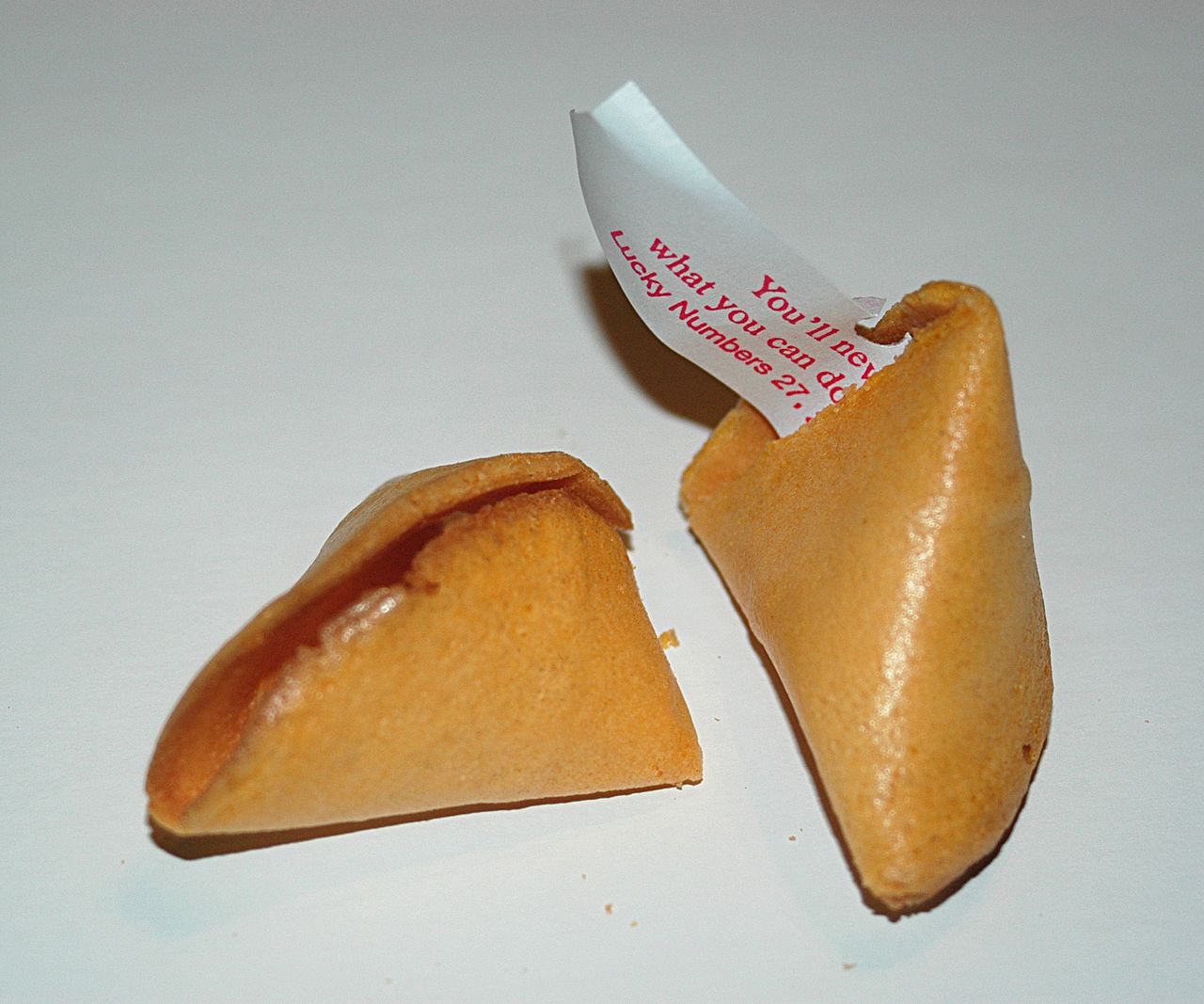


Ingredients and form
Typical ingredients are simple and resemble basic wafer or batter cookies: flour, sugar, vanilla and oil. The batter is baked into thin rounds then folded while warm to create the familiar crescent shape that traps the paper message. Variations include flavored, colored, or chocolate-dipped cookies, and larger novelty sizes used for events.
Messages and content
The inserted slip typically contains a brief aphorism, proverb, or piece of practical advice, sometimes framed as a prediction. Messages may also present a short foreign-language phrase with translation, a playful prophecy or prophecy, a proverb or words of wisdom, and often a set of "lucky" numbers lucky numbers intended for lottery play or games.
History and origins
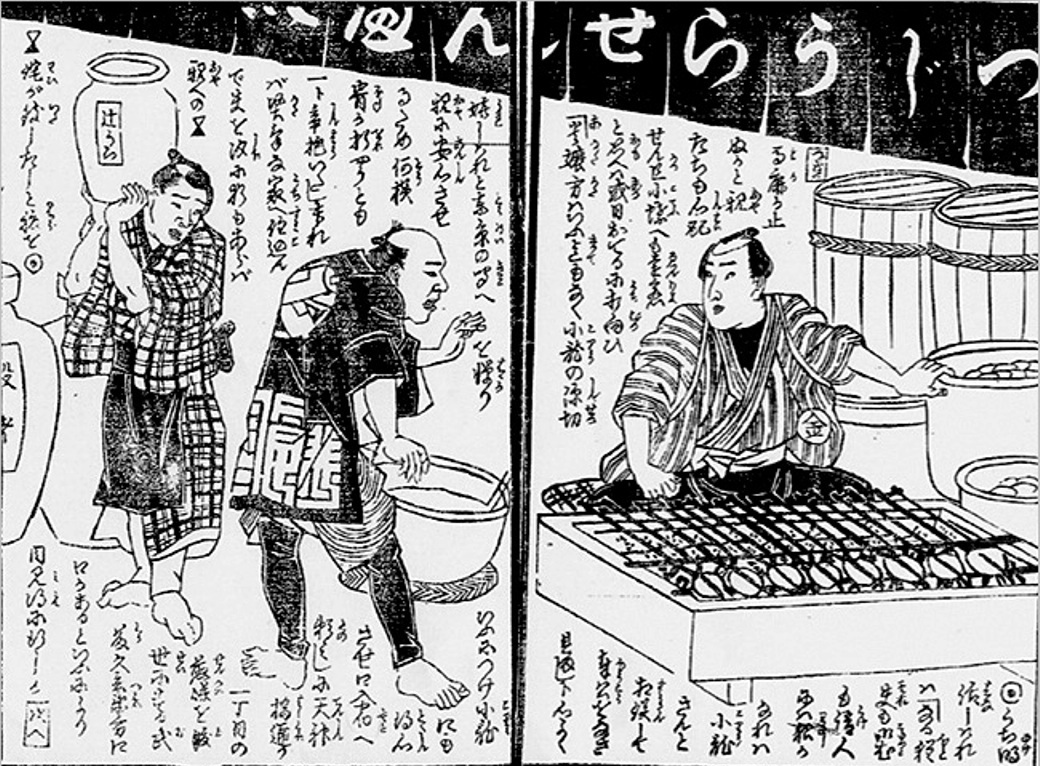
The modern fortune cookie is widely regarded as an American creation that grew out of immigrant confectionery practices in the late 19th and early 20th centuries. Several competing origin stories exist; one commonly cited account credits Japanese immigrants and tearooms on the West Coast. Similar Japanese confections with messages, such as tsujiura senbei, are documented and likely influenced the cookie's development. The association with Chinese restaurants became established over decades as the cookie was adopted into Chinese-American dining culture.
Uses, cultural role, and notable facts
Fortune cookies function as light entertainment, party favors, marketing tools, and cultural tokens. They are used in celebrations, corporate events, and promotions; some companies print customized messages or branding. Despite the name and association with Chinese cuisine outside Asia, the cookie is largely an American cultural product rather than a traditional Chinese dessert.
Distinctions and variations
- Regional differences: factories and automated machines produce the cookies at scale in the United States and elsewhere.
- Message types: aphorisms, advice, translations, wisdom, and numbered suggestions like lucky numbers.
- Culinary variants: flavored batters, fillings, or decorative coatings for novelty appeal.
For further reading on ingredients and production, see notes on basic bakery components such as flour, sweeteners like sugar, and flavoring agents such as vanilla. Manufacturers and historians offer more detailed origin narratives and collections of classic fortunes—many archived in cultural studies and food history sources oils and fats used in recipes can affect texture and shelf life.
Related articles
Author
AlegsaOnline.com Fortune cookie Leandro Alegsa
URL: https://en.alegsaonline.com/art/35813
Sources
- nytimes.com : "Solving a Riddle Wrapped in a Mystery Inside a Cookie,"