
French food: traditions, techniques, regional specialties and global influence
Comprehensive overview of French cuisine: its history, defining techniques and ingredients, regional varieties, notable chefs, and its worldwide cultural and culinary influence.
French cuisine is one of the world’s most influential culinary traditions, known for its combination of refinement, regional variety and codified techniques. Its methods and standards shaped modern professional cooking throughout Europe and far beyond, and French chefs operate in restaurants around the globe. The language of classical cooking, many professional kitchens still use French terms and organizational systems that evolved in France.
Image gallery
5 Images

Origins and formative chefs
The shift toward the lighter, more ingredient-focused style that characterizes modern French cuisine began in the 17th century with cooks such as La Varenne. In the late 18th and early 19th centuries figures associated with imperial and court kitchens, including the cook to Napoleon and the celebrated pâtissier Marie-Antoine Carême, refined sauces, pastries and presentational standards. These innovators reduced reliance on the heavy spice blends common in the Middle Ages, favoring fresh herbs and subtler seasoning instead of overwhelming spices. Techniques and preparations such as the use of a roux, marinades and the development of clear stocks influenced rich stews and sauces; dishes like ragout show that lineage.
Carême, in particular, is remembered for elevating pastry work and organizing recipes into families, while codifying a base set of sauces often referenced as "mother sauces" and derivatives. Many classical preparations also relied on stocks — including those made from fish or bones — and on careful mise en place and timing.
Escoffier, codification and professional kitchens
In the late 19th and early 20th centuries Auguste Escoffier modernized service and kitchen organization. He applied industrial principles to restaurant work, standardizing menus and roles across dining rooms and staff so large hotels and ships could operate efficiently. Escoffier managed kitchens at institutions such as the Savoy Hotel, the Carlton in London and the Hôtel Ritz Paris, and his cookbook Le Guide Culinaire spread classical techniques internationally. At the same time, critics note that this formalization sometimes downplayed regional and peasant traditions found in the many regions of France.
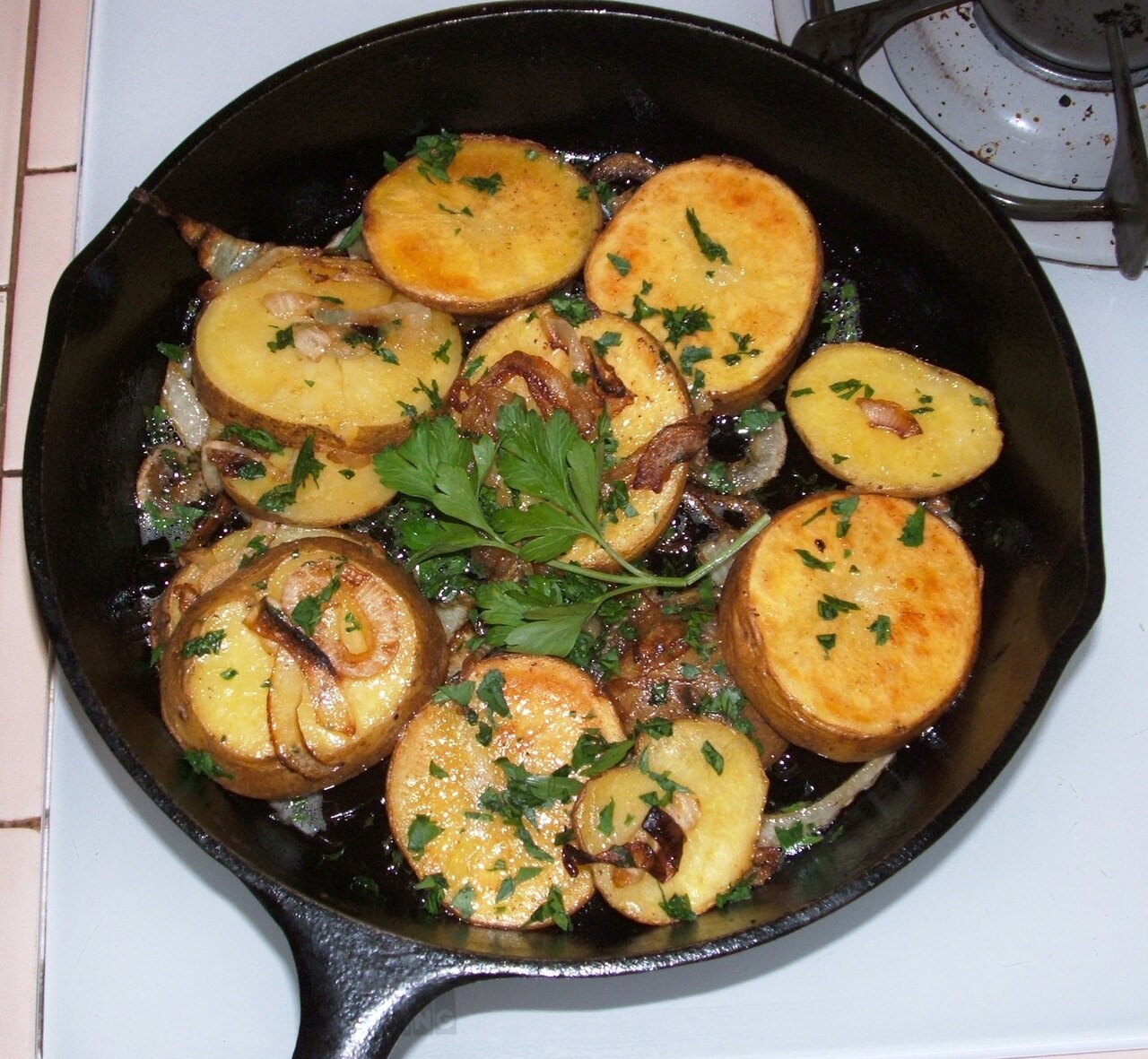
Throughout the 20th century, the growing interest in regional specialties, aided by gastro-tourism and culinary guides, restored attention to local products such as cheese and wine and to distinct cooking fats and flavors. In northern areas people traditionally cook with butter, while the warmer south favors olive oil and ingredients like garlic. Each area developed signature dishes and preparations that are still associated with place: for example choucroute in Alsace, quiche in Lorraine, cassoulet in the Languedoc-Roussillon region, tapenade in Provence and the famous fish stew bouillabaisse from Marseille.
Ingredients, techniques and examples
- Fundamental elements: stocks, sauces, breads, cheeses and charcuterie formed the backbone of many meals.
- Signature techniques: saucing and reduction, careful roasting and braising, pastry and confectionery craft, and precise knife work.
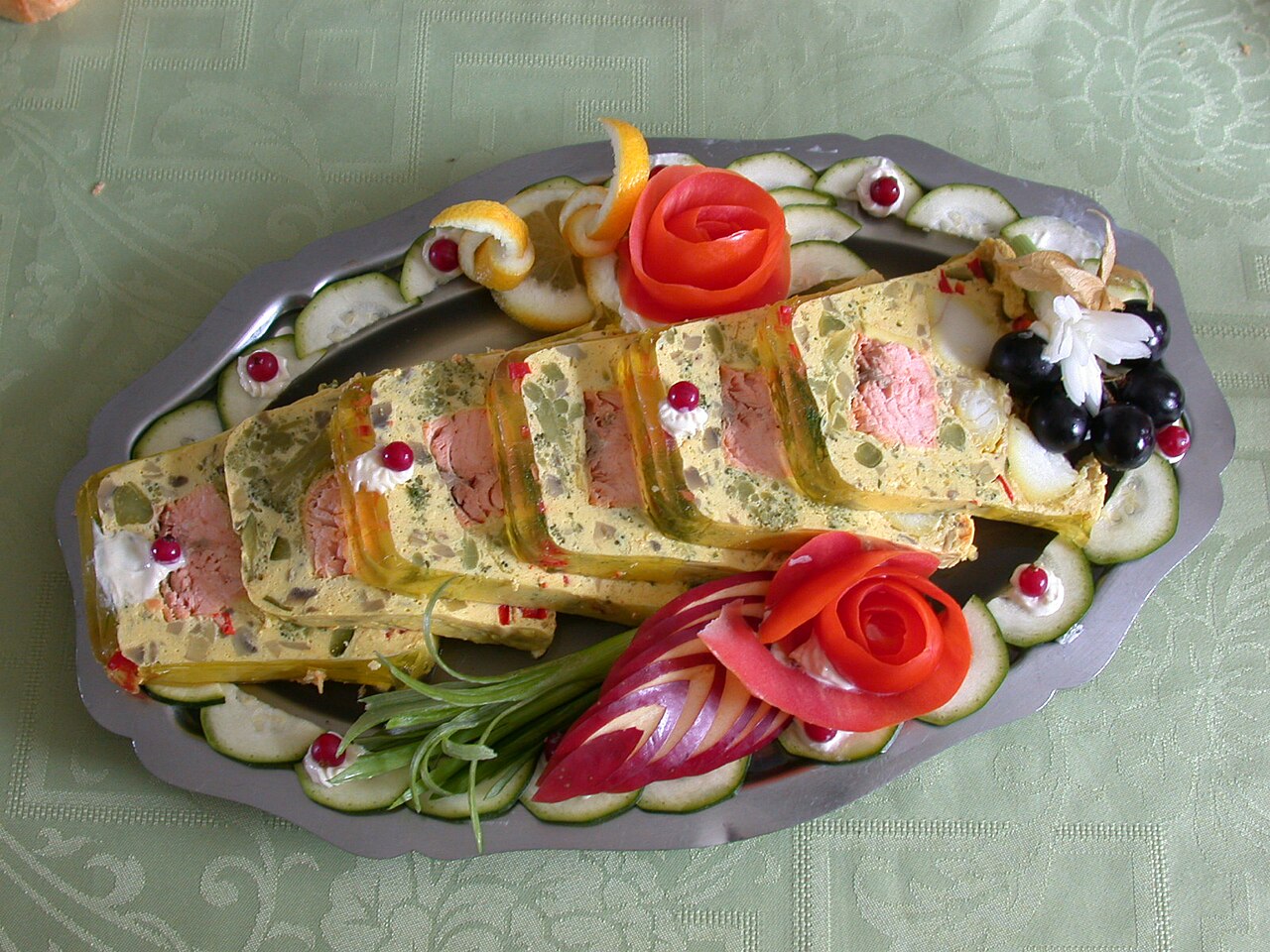
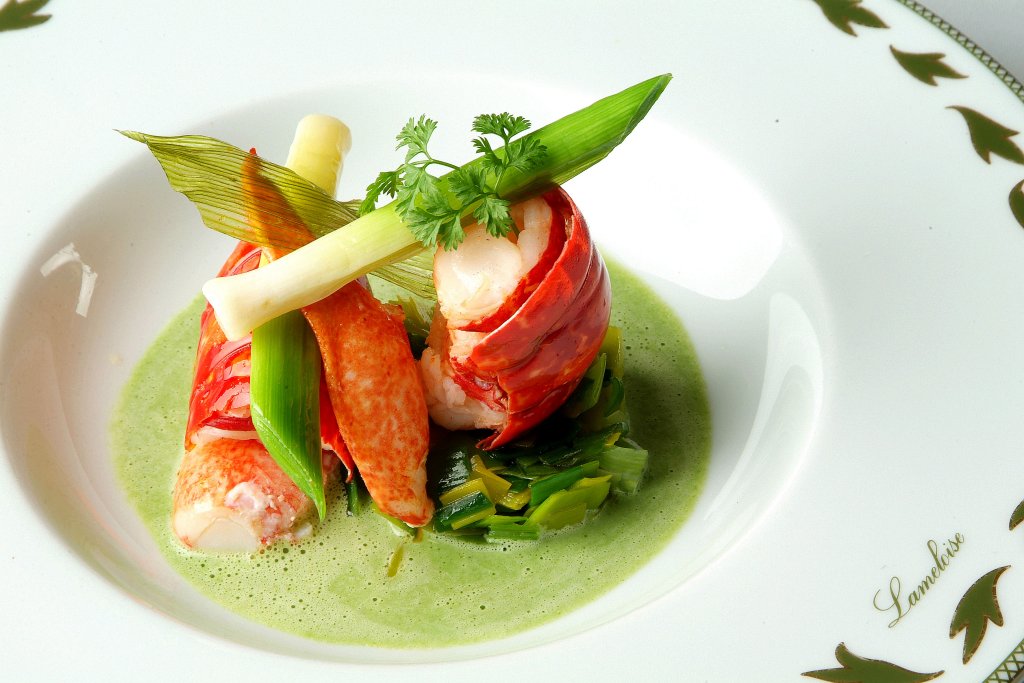
- Examples of classic preparations: terrines and pâtés, compound butters and pan sauces, slow-simmered stews like ragouts and cassoulet, and seafood dishes like bouillabaisse.
Many of these items remain central to culinary training and restaurant menus today. Regional markets and seasonal produce continue to shape menus, while professional training emphasizes classics alongside modern reinterpretations.
France’s culinary heritage has also been recognized as an element of national culture: in 2010 French gastronomy was inscribed on UNESCO’s list of intangible cultural heritage recognition. That designation highlights the ritual of multi-course meals, the sharing of food, and the role of conviviality. The spread of French techniques and standards — from gastronomic theory to kitchen structure — ensures that while styles evolve, the foundations of French cooking remain an active influence on chefs and home cooks worldwide.
For further reading on classical methods, historical figures and regional specialities consult dedicated culinary histories and regional guides; professional and amateur cooks alike continue to study both the codified systems and the rich local traditions that together define French food.
References and resources: cooking traditions, notable chefs, restaurants worldwide, La Varenne, Napoleonic kitchens, Carême, medieval cuisine, spices, herbs, roux, marinading, ragout, mother sauces, Escoffier, Savoy, Carlton, Ritz, regional diversity, cheeses, wines, northern traditions, butter, southern traditions, olive oil, garlic, local specialties, choucroute, quiche, Lorraine, cassoulet, Languedoc-Roussillon, tapenade, bouillabaisse, Marseille, UNESCO.
Questions and answers
Q: What is the origin of modern haute cuisine?
A: The roots of modern haute cuisine lie in chefs like La Varenne (1615–1678) and Marie-Antoine Carême (1784–1833).
Q: How did French chefs develop a lighter style of food compared to the Middle Ages?
A: French chefs used fewer spices, and more herbs and creamy ingredients. They also invented techniques such as marinading, and dishes such as ragout.
Q: Who was an expert pâtissier (pastry-maker)?
A: Marie-Antoine Carême was an expert pâtissier (pastry-maker), which is still a mark of French cooking. He developed basic sauces, his 'mother sauces', with over a hundred sauces in his repertoire based on the half-dozen mother sauces.
Q: Who introduced French cooking in the 20th century?
A: Georges Auguste Escoffier (1846–1935) introduced French cooking in the 20th century. He worked out how to run large restaurants, as well as methods for menu preparation.
Q: What contribution did Escoffier make to spread understanding of French cookery?
A: Escoffier's main contribution was the publication of Le Guide Culinaire in 1903, which spread the understanding of French cookery.
Q: How has Gascon cuisine influenced food from southwest France?
A: Gascon cuisine has had great influence over the cuisine in the southwest of France; many dishes that were once regional have proliferated in variations across this part of France.
Related articles
Author
AlegsaOnline.com French food: traditions, techniques, regional specialties and global influence Leandro Alegsa
URL: https://en.alegsaonline.com/art/36595
Sources
- delices-du-monde.fr : "Diversity of French Cuisine"
- goodcooking.com : "French Cheeses"
- franceway.com : "French Cheese"
- trifter.com : "The world's best cuisines"
- google.com : "Butter and oil in French Cuisine"
- dallasnews.com : Bon appétit: Your meal is certified by the U.N.
- unesco.org : Celebrations, healing techniques, crafts and culinary arts added to the Representative List of the Intangible Cultural Heritage