
French press (coffee plunger): design, use, history and health notes
A manual coffee maker with a plunger and metal mesh filter that steeps coarse grounds in water. Produces full-bodied coffee and retains oils; known by several names and available in portable versions.
The French press is a simple, manual brewing device used to prepare coffee by steeping coarsely ground beans in hot water and separating the grounds with a plunger and metal mesh filter. It is commonly called a press pot, coffee plunger, cafetière, or cafetière à piston in French; brand names such as Bodum and Melior are also frequently used as generic terms. The method is prized for producing a robust, full-bodied cup because the grounds remain in direct contact with the water during extraction, allowing more of the beverage's soluble compounds and oils to transfer into the brew. For basic information about the device itself see device overview.
Image gallery
10 Images



Design and main components
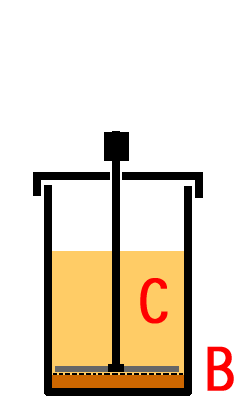
A typical French press consists of a cylindrical jug (often made from glass or metal), a lid with an integrated plunger, and a shaft fitted with a circular mesh filter. Jugs can be transparent, commonly of glass, or manufactured from clear plastic or stainless steel for greater durability. The plunger assembly usually includes one or more fine wire screens and a gasket that seals around the inside of the jug so the filter presses the spent grounds to the bottom while allowing liquid to pass up through the mesh. Because the filter is metal rather than paper, more of the coffee's natural essential oils remain in the cup compared with drip methods.

How it works: step-by-step brewing
- Measure coarsely ground coffee and add it to the empty jug. A coarse grind is important; fine particles can slip through the mesh and increase sediment.
- Pour hot water (just off the boil, around 90–96°C) over the grounds, ensuring they are fully saturated. Stir gently if desired.
- Place the lid and plunger assembly on the jug to retain heat and let the mixture steep for about 3–5 minutes, depending on taste.
- Press the plunger down steadily to separate grounds from liquid and then pour the brewed coffee immediately to avoid over-extraction and bitterness.
The press can also be used as a loose-leaf tea infuser or for small-batch cold brew. When brewing espresso-style concentrates, the French press cannot achieve the pressure of an espresso machine, so it yields a different, less concentrated beverage.

Variations, portability and common names
Designs vary from simple glass models intended for home use to rugged, travel-oriented versions with sealed lids and spill-proof drinking openings. Lightweight plastic or stainless steel presses are marketed to hikers and backpackers who want a compact, filter-free brewing option. Regional names differ: in the UK the device is often called a cafetière (United Kingdom usage), while in Australia, South Africa and Ireland it's commonly referred to as a plunger (Australia, South Africa, Ireland), and in France as a cafetière à piston (French name).
Flavor profile, practical tips and care
Coffee from a French press tends to be heavier-bodied and more aromatic because paper filters used in drip machines trap many oils and fine particles. This style yields a richer mouthfeel but also often leaves more sediment in the cup, so many users decant the brewed coffee into a carafe to halt extraction and reduce bitterness. Recommended practical tips include using a burr grinder for an even coarse grind, timing the steeping to control strength, and rinsing the mesh filter and seal after each use to prevent buildup. If grounds remain in the poured beverage they can continue to extract and make the drink increasingly bitter over time. For cleaning, disassemble the plunger, rinse the screens and gasket, and dry parts thoroughly to avoid stale flavors.

Health considerations and notable facts
Because the French press retains more of the coffee's natural oils (notably the diterpenes cafestol and kahweol), some research indicates that consuming large amounts of unfiltered coffee may raise blood LDL cholesterol in susceptible individuals. Filtered drip coffee removes much of these compounds, and differences in health effects have been observed in comparative studies; for a summary of published research see health studies. Aside from cholesterol considerations, the French press remains popular for its simplicity, low equipment cost, and the control it gives users over strength and extraction. It is also commonly used for small-batch brewing, manual experimentation with grind and steep times, and for making tea or cold-brew concentrates in home settings.
Origins and cultural role
The basic principle of steeping grounds and pressing them away has been refined over the 20th century with numerous patents and commercial designs; the device today exists in many forms and price points. While called a "French" press in English, its popularity is global and it is not uniquely dominant in France, where espresso machines and electric drip makers are also common. What the French press does offer is a direct, hands-on brewing method appreciated by people who value full flavor, tactile control, and straightforward maintenance.
For further reading on particular models, materials and best practices, consult manufacturer guides and brewing technique resources: see technical descriptions at device overview and material comparisons at glass and clear plastic resources. Additional regional naming and usage notes are available via the links above.
Related topics: brewing variables, grinders and grind size, travel coffee gear, and the chemistry of coffee oils. Manufacturer and historical brand notes are often linked under product pages and historical summaries provided by coffee organizations and museums.
Questions and answers
Q: What is a French press?
A: A French press, also known as a press pot, coffee press, coffee plunger or cafetière, is a special machine used to make coffee. It typically consists of a round jug with a lid and plunger that fits in the jug.
Q: How does it work?
A: The coffee is brewed by placing the coffee and water together in the jug, leaving it to brew for a few minutes, then pushing down on the plunger which separates the ground coffee from the water. The freshly made coffee can then be poured into cups.
Q: What are some other names for this device?
A: In Australia, South Africa and Ireland it is known as a coffee plunger and in France it is called cafetière à piston. It may also be referred to as melior (from an old brand of makers of this type) or Bodum (another brand). In the UK it is known as cafetière (the French word for "coffee pot").
Q: Why does French pressed coffee taste stronger than drip-brewed one?
A: Because the grounds remain in direct contact with brewing water when using a French press, more flavour and essential oils are extracted from them compared to drip-brewed methods where they are trapped by paper filters. This results in stronger tasting and thicker consistency of French pressed coffees.
Q: What kind of grind should be used for making French pressed coffees?
A: Coffee grounds should be coarsely ground when using a French press - more coarse than for drip brews but far coarser than those used for espresso drinks. Anything other than coarse grind will pass through filter into your cup so use burr mill grinder if possible to achieve desired result.
Q: Can you use a French press to make tea instead of coffee?
A: Yes! A French press can also be used instead of an infuser to brew loose tea leaves - just follow same instructions as you would when making regular coffees with your device.
Q: Are there any special versions designed specifically for travellers? A: Yes! Special versions exist that are made out of tough plastic instead of glass and have sealed lids with closable drinking holes which makes them perfect choice for hikers or backpackers who don't want to carry heavy metal percolators or filter drips around with them while travelling long distances
Related articles
Author
AlegsaOnline.com French press (coffee plunger): design, use, history and health notes Leandro Alegsa
URL: https://en.alegsaonline.com/art/36611
Sources
- medpagetoday.com : "Coffee by the Tank Car Does Not Increase Risk of Coronary Heart Disease"