
Fort Lauderdale–Hollywood International Airport (FLL)
Public international airport in Broward County, Florida serving Fort Lauderdale, Hollywood and the Miami metro area; major gateway for domestic, Caribbean and Latin American routes.
Overview: Fort Lauderdale–Hollywood International Airport is a public commercial airport serving the South Florida region. It is identified by the codes IATA: FLL and FAA LID: FLL. The field lies in unincorporated Broward County, southwest of Fort Lauderdale and close to the city of Hollywood. Geographic coordinates are recorded at 26°04′21″N 80°09′10″W. FLL functions as an international gateway for scheduled and charter services, with a network focused on domestic, Caribbean and Latin American destinations.
Image gallery
9 Images


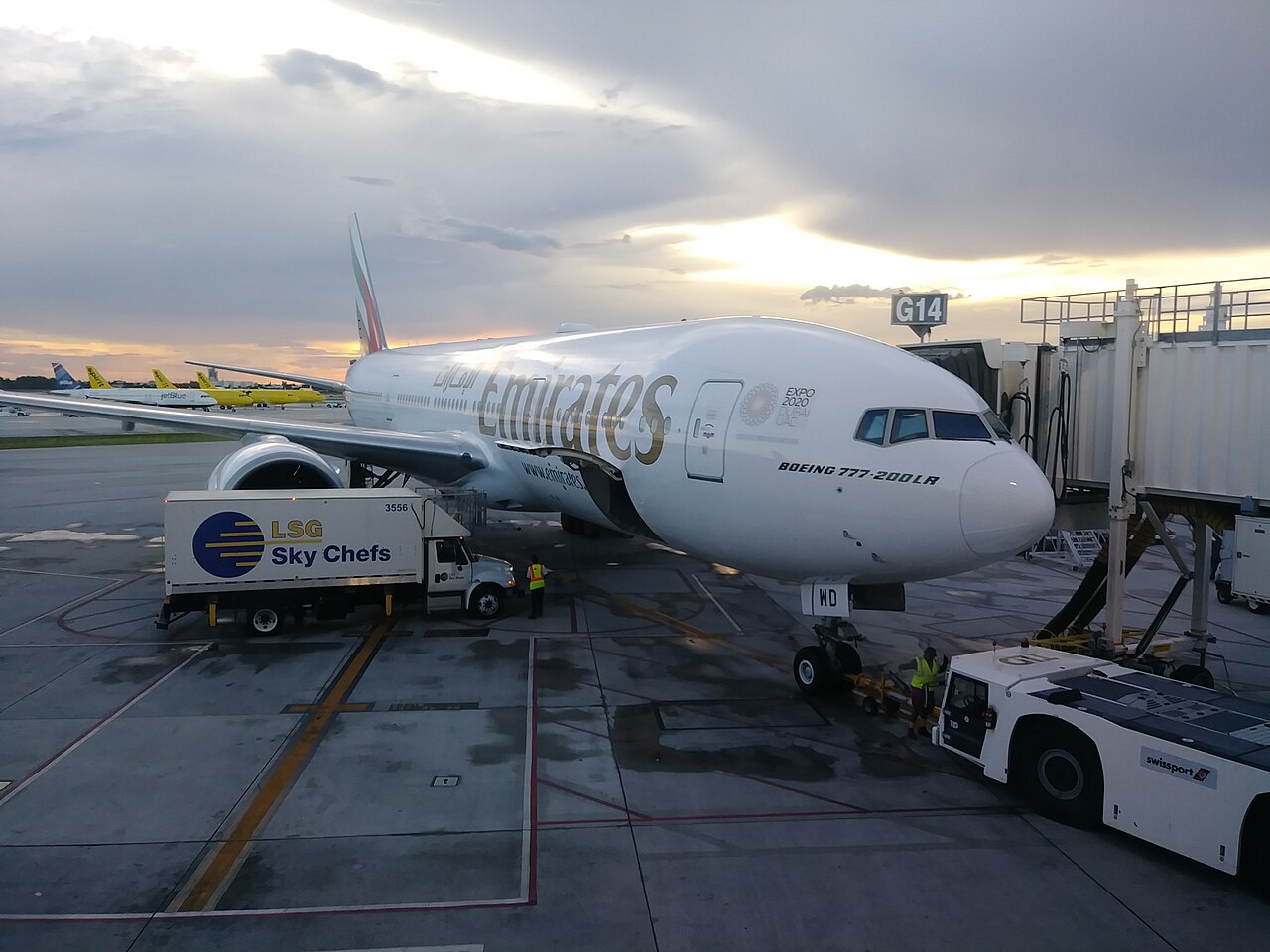


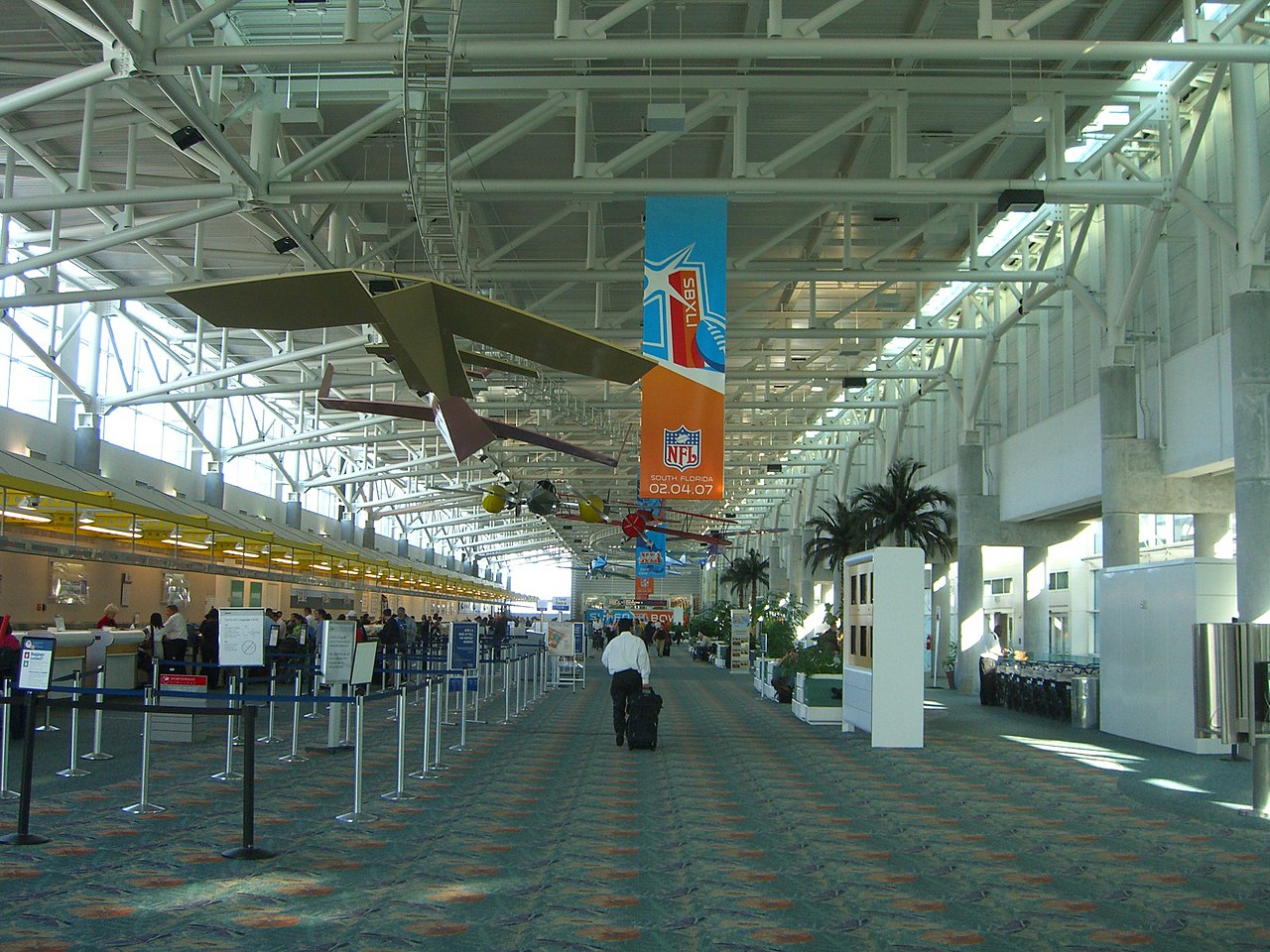

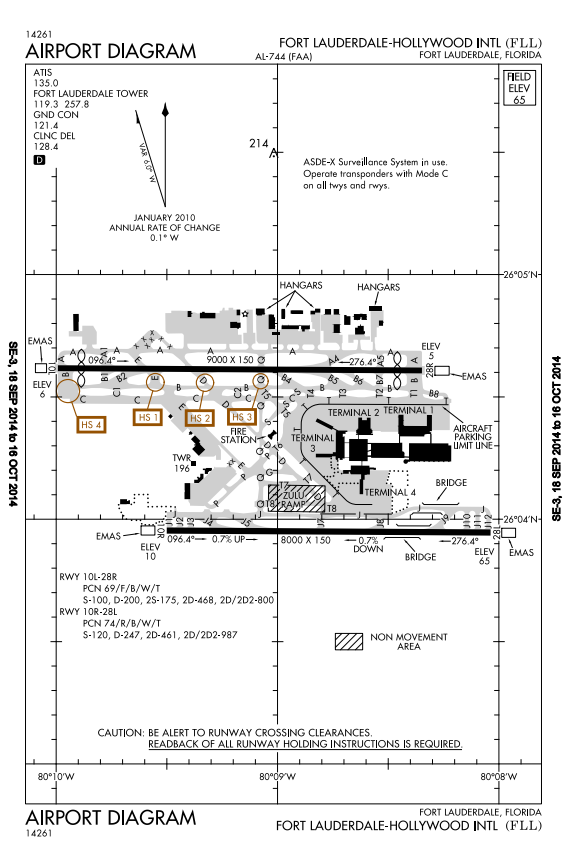
Facilities and terminals
The airport comprises multiple terminals and concourses arranged to separate domestic and international passenger flows and to concentrate customs and immigration processing where needed. Passenger facilities include ticketing lobbies, security checkpoints, baggage handling systems and a consolidated rental car facility. Design priorities historically emphasize short walking distances, frequent curbside access and quick aircraft turnarounds to support the region's high volume of leisure traffic and low‑cost carrier operations.
Airlines and routes
FLL hosts a mix of low‑cost and legacy carriers serving a broad route map. Historically, the largest carriers by departures and seats have included Southwest Airlines, Spirit Airlines, JetBlue Airways, Delta Air Lines and US Airways. The airport provides frequent short‑haul flights within the United States and extensive service to the Caribbean, Mexico, Central America and parts of South America. Seasonal and charter services expand the schedule during peak travel periods; a current list of operators and destinations is maintained by the airport and by published airline directories (airlines).
Passenger volumes and rankings
FLL moved substantial passenger numbers in the early 2010s. In 2010 the airport handled approximately 22,412,627 passengers, including around 3.45 million international travelers. At that time it ranked near the top quarter of U.S. airports by traffic and was listed among the busiest international gateways—being cited as the 22nd busiest airport in the United States and the nation's 15th busiest international airport, placing it among the 50 busiest airports worldwide for that period. Annual totals and rankings evolve with airline schedules, economic conditions and regional demand, so more recent figures should be consulted for current comparisons.
History and development
The airport developed through the twentieth century from a modest airfield into a significant metropolitan facility as South Florida's population and tourism industries expanded. Investments have included runway upgrades, terminal modernizations and improvements to international processing facilities. The growth of low‑cost carriers and leisure travel shaped operational priorities, including investments that support fast turnarounds and high gate utilization.
Ground transportation and regional role
Ground access is provided by regional highways, public buses, taxis, rideshare services and private shuttles, linking FLL to downtown Fort Lauderdale, the nearby city of Hollywood and the broader Miami metropolitan area. The airport's proximity to cruise terminals, resorts and business centers reinforces its role as a multimodal gateway for tourists and residents. Freight and air cargo services also contribute to the local economy by supporting import and export flows for regional businesses.
Operations, community and planning
Airport operations are balanced with community concerns such as noise, air quality and land use. Planning efforts typically address capacity, environmental compliance and surface access while seeking to minimize local impacts. Future development plans may include terminal enhancements, technology upgrades and additional airline facilities to respond to changes in travel patterns and carrier strategies.
For up‑to‑date schedules, airline partners and operational notices, passengers and stakeholders should consult official airport information sources and published carrier timetables.
Related articles
Author
AlegsaOnline.com Fort Lauderdale–Hollywood International Airport (FLL) Leandro Alegsa
URL: https://en.alegsaonline.com/art/35754
Sources
- aci-na.org : 2010 North American Final Rankings
- gcr1.com : FAA Airport Master Record for FLL
- gcr1.com : Form 5010
- ci.dania-beach.fl.us : Zoning Map
- transtats.bts.gov : "Fort Lauderdale, FL: Fort Lauderdale-Hollywood International (FLL)"
- broward.org : Fort Lauderdale-Hollywood International Airport