
Fort Pierce, Florida — overview, history, and attractions
Fort Pierce, the county seat on Florida's Treasure Coast, is known for its waterfront, marine research institutions, historic downtown, beaches and parks, and its role in regional fishing and tourism.
Overview
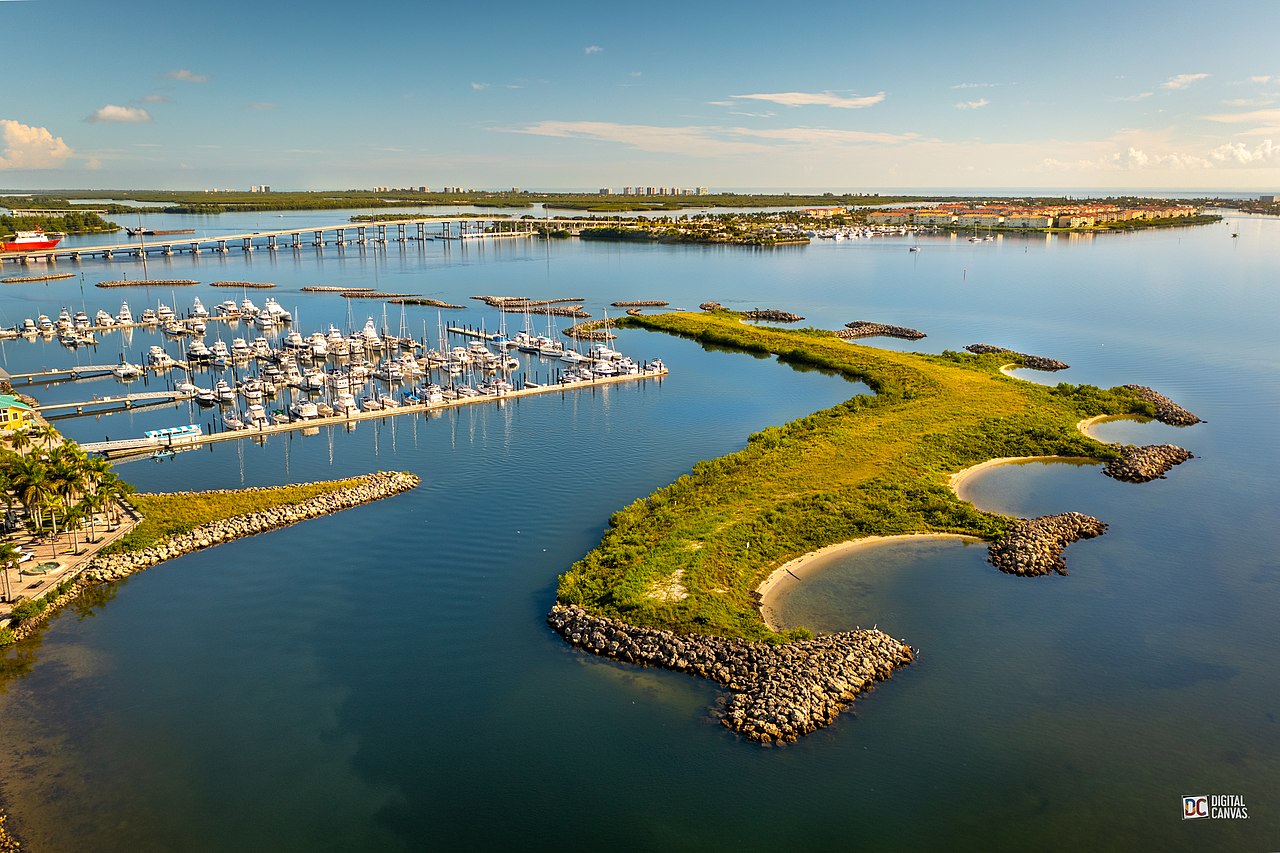
Fort Pierce is a coastal city on Florida's eastern shore, serving as the county seat of St. Lucie County. Positioned on the Indian River Lagoon, it forms part of the Treasure Coast region and is noted for a combination of natural shoreline, working waterfronts and a compact historic downtown. The city blends residential neighborhoods, small-scale industry and institutions focused on marine research and conservation.
Image gallery
10 Images




Characteristics and layout
Fort Pierce includes a downtown riverfront area with shops, galleries and restaurants, several residential districts, a commercial port and nearby beaches and inlets. Public parks and a state park protect stretches of Atlantic shoreline, while the lagoon and estuaries support fishing, boating and wildlife viewing. The climate is humid subtropical to tropical, with warm winters, hot summers and a seasonal rainfall pattern.
History and development
The community grew up around a 19th-century U.S. Army post established during the era of the Seminole Wars; the town later developed through citrus farming, commercial fishing and shipping. In the 20th century Fort Pierce diversified as tourism, marine science and regional commerce expanded. Efforts to preserve historic buildings have shaped its present-day downtown character.
Economy, research and culture
Fort Pierce's economy mixes port activity, commercial fishing, small manufacturing, tourism and education. A major feature is the marine research presence, including notable oceanographic facilities and aquaculture research that draw scientists and students. Cultural life includes performing arts venues, festivals and galleries that highlight local arts and maritime heritage.
Attractions and notable facts
- Beaches, jetties and Fort Pierce Inlet State Park offer swimming, fishing and surf access.
- Marine research institutes and aquariums contribute to coastal science and conservation.
- A waterfront downtown provides galleries, historic theaters and seasonal events.
- The city is often associated with the broader Treasure Coast identity and its maritime economy.
Visitors typically reach Fort Pierce via the Atlantic coastal corridor and nearby interstates, and they can explore the city's riverfront promenades, museums and state parks. For official information and services see municipal resources and regional tourism guides: Florida and United States portals often reference the area for travel and civic context.
Related articles
Author
AlegsaOnline.com Fort Pierce, Florida — overview, history, and attractions Leandro Alegsa
URL: https://en.alegsaonline.com/art/35771