
Foot fetishism: overview, characteristics, history and social context
A concise encyclopedia entry on foot fetishism: definition, typical features, prevalence, common practices (including footjobs), cultural history, clinical perspective, consent and safety considerations.
Overview
Foot fetishism, often shortened to foot fetish, is a sexual interest in human feet and related objects or behaviours. It is a form of partialism in which non‑genital body parts—here, feet, toes or accoutrements—are the primary focus of erotic attention. For general context on sexual interests and variation, see sexual interest.
Image gallery
3 Images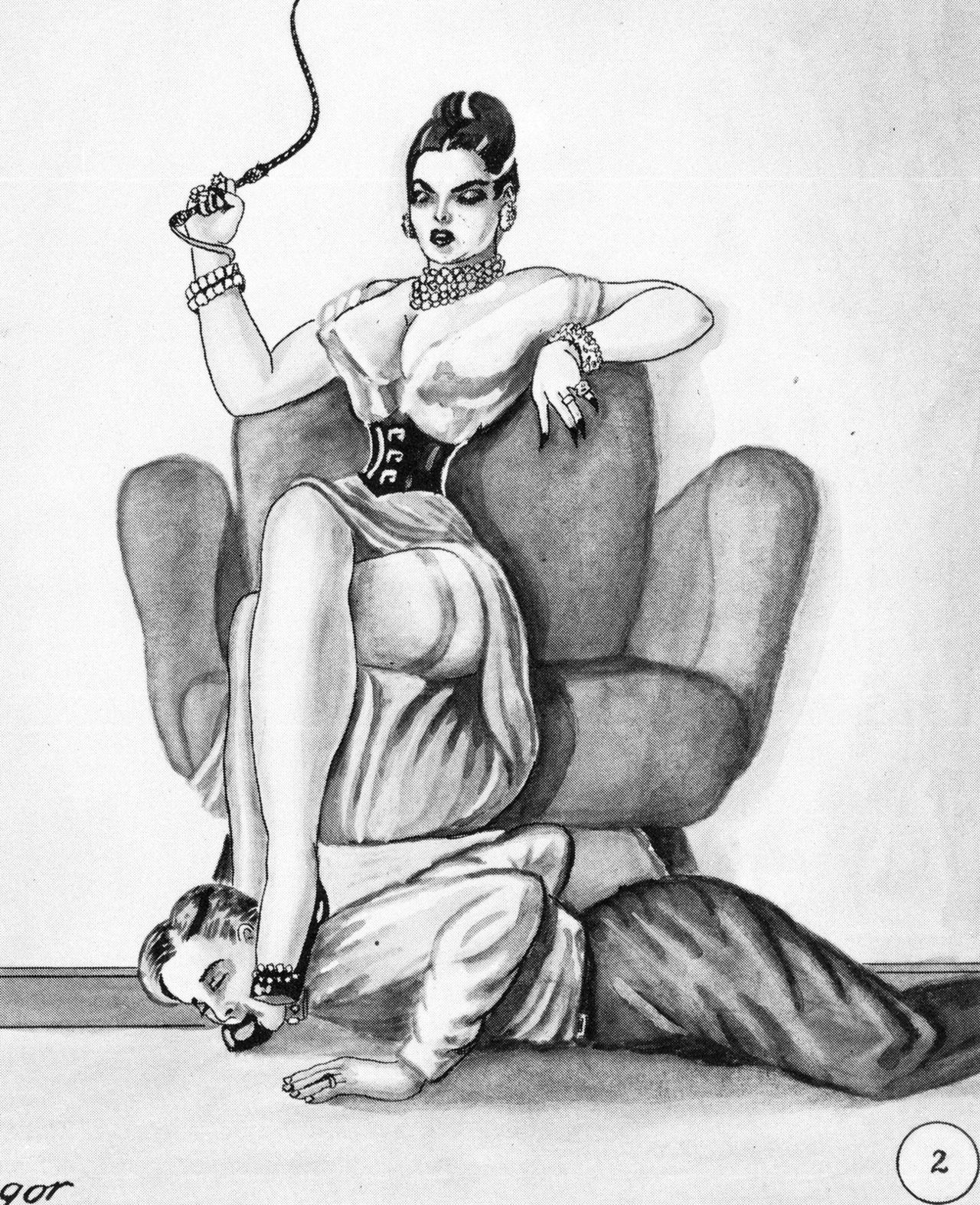


Typical characteristics
People with this interest may attend to a range of physical and sensory features: the overall appearance of the feet, the soles, toe length, the shape of the arch or high arches, skin texture, or the scent of feet. Some individuals are stimulated by footwear and related items such as shoes, anklets or socks. Others focus on specific visual or tactile qualities; descriptions of particular or idiosyncratic interests are sometimes referred to in the literature as specific aspects of interest.
Prevalence and demographics
Among non‑genital fetishes, attraction to feet is one of the most commonly reported. It occurs across genders and sexual orientations but is more frequently reported by males; people who identify as females and people of other genders also commonly report such interests. Exact prevalence estimates vary with sampling methods and cultural context, so figures should be interpreted cautiously.
Practices and examples
Practices range from private fantasies and visual appreciation to consensual partnered activities. Common activities include touching, massaging, kissing or smelling feet, and incorporating feet into sexual play. A well‑known partnered practice is the footjob, in which feet are used to stimulate a partner’s genitals—for example, stroking a penis—and, less commonly, stimulating a vagina or other erogenous zones. When performed by consenting adults it can be considered a form of partnered masturbation.
History, culture and clinical perspective
Preferences for feet appear in historical art, literature and ritual in various cultures. In contemporary societies this interest is visible in popular culture and online communities, which have increased the range of shared experiences and information. Clinically, having a sexual interest in feet is not, by itself, a disorder. It is classified as a paraphilia only when it causes significant personal distress or involves nonconsensual acts or harm. Explanations offered by researchers include learning, early sexual experiences, sensory associations and cultural influences; no single cause is established.
Distinctions, consent and safety
Important practical considerations include consent, hygiene and communication. Fetishistic activities must be consensual; nonconsensual behaviour is harmful and may be unlawful. Hygiene and safe practices are commonly emphasized in clinical and community advice to reduce risk of infection or injury when feet are incorporated into sexual activity. Clear communication between partners about boundaries, expectations and aftercare is recommended.
- Ethical and legal boundaries: always ensure informed consent and respect for partners.
- When interests lead to distress or impair functioning, professional support can help; consult reputable sexual health resources and clinicians for guidance.
- Further reading and resources: introductory and clinical materials on sexual interests are available via general sexual health portals such as sexual interest resources.
Related articles
Author
AlegsaOnline.com Foot fetishism: overview, characteristics, history and social context Leandro Alegsa
URL: https://en.alegsaonline.com/art/35483
Sources
- livescience.com : "Why Do People Have Foot Fetishes?"