
Fokker 50 — regional turboprop airliner and military derivative
Twin-engined regional turboprop developed from the F27, the Fokker 50 serves airlines and militaries as a short‑haul passenger aircraft and as adaptable cargo, patrol and specialised mission platform.
Overview
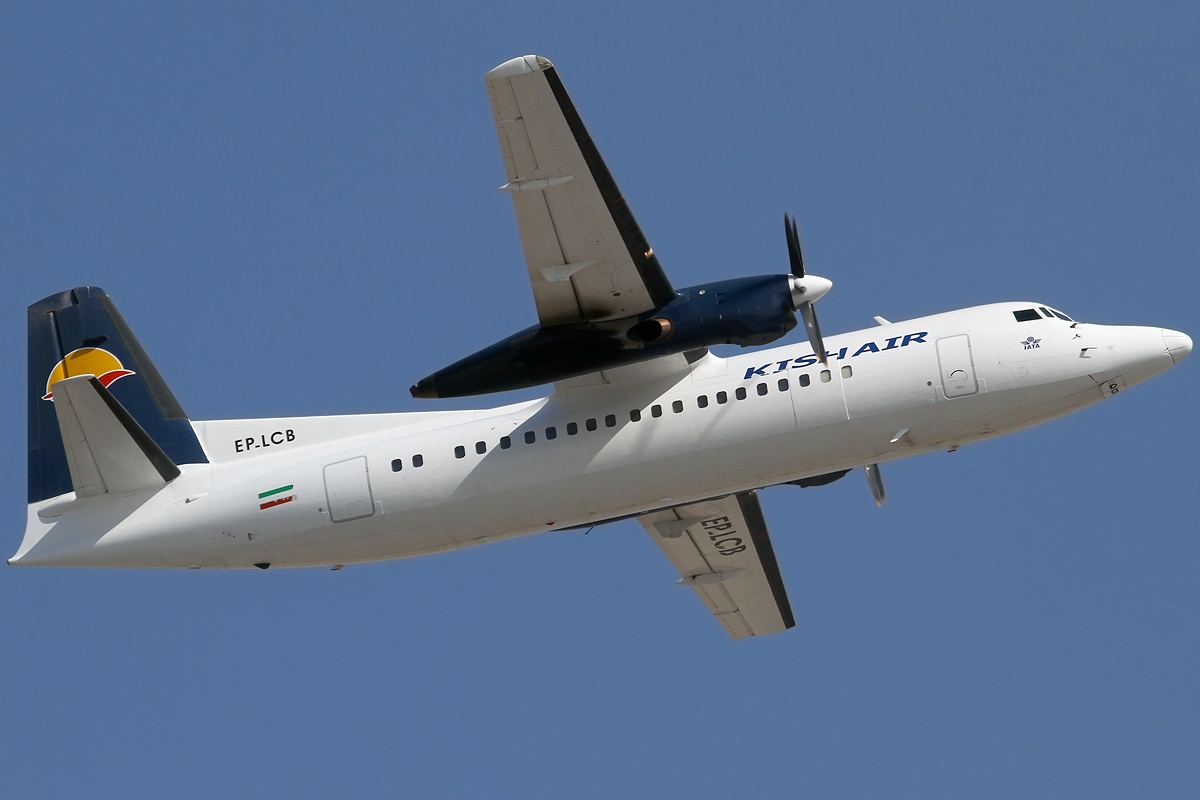
The Fokker 50 is a twin‑engined regional turboprop airliner developed by the Dutch manufacturer Fokker as an evolution of the earlier F27 design. Introduced in the late 1980s, it was intended for short‑ and medium‑haul routes and typically seats around 50 passengers in a single‑aisle cabin. The type is valued for good fuel efficiency on short sectors and the ability to operate from relatively short runways compared with regional jets, making it popular with commuter carriers and smaller airlines.
Image gallery
10 Images


Design and development
The Fokker 50 combined proven structural elements from the F27 with modernised systems: newer turboprop engines, updated propellers, improved noise reduction measures and more contemporary avionics to lower operating costs and crew workload. The aircraft features a high‑mounted wing, a pressurised fuselage and a conventional tail. Many examples were fitted with Pratt & Whitney Canada‑series turboprops and refined aerodynamic details to increase efficiency and passenger comfort.
Operational roles
While primarily marketed as a regional airliner, the Fokker 50 has been adapted for a range of other duties. Civilian freight and combi layouts allow mixed cargo and passenger carriage; several operators use it for charter, medevac and corporate transport. Military and government operators have acquired or converted the type for military transport, cargo duties and maritime or coastal reconnaissance and patrol roles, fitting specialised sensors or reinforced floors where required.
Variants and special missions
- Standard passenger commuter versions that accommodate roughly fifty passengers in a single aisle layout.
- Freighter, combi and convertible configurations for mixed or all‑cargo operations, with strengthened decks and quick‑change fittings.
- Special mission conversions for surveillance, maritime patrol and electronic monitoring, often incorporating observation windows or mission systems.
Operators and legacy
A variety of regional carriers, freight operators and a number of air forces and government agencies have flown the Fokker 50. Although production ended some years ago, many examples continued in service with smaller operators and in specialised roles because of the type's operational flexibility and robust design. For manufacturing background and further reading consult sources on the aircraft's origin and technical history: manufacturing origin and dedicated compilations of fleet and service records. Additional material on conversions and preserved examples can be found among restoration groups and national registries: further resources.
For technical specifications, operator histories and variant lists consult authoritative aviation references and official registries that document the Fokker 50's service life and adaptations.
Related articles
Author
AlegsaOnline.com Fokker 50 — regional turboprop airliner and military derivative Leandro Alegsa
URL: https://en.alegsaonline.com/art/35345