
Fluoxetine (Prozac): overview, uses, pharmacology, and history
Fluoxetine (Prozac) is a selective serotonin reuptake inhibitor (SSRI) antidepressant used for depression, OCD, panic disorder, bulimia, and PMDD. This article summarizes its action, uses, side effects, and history.
Overview
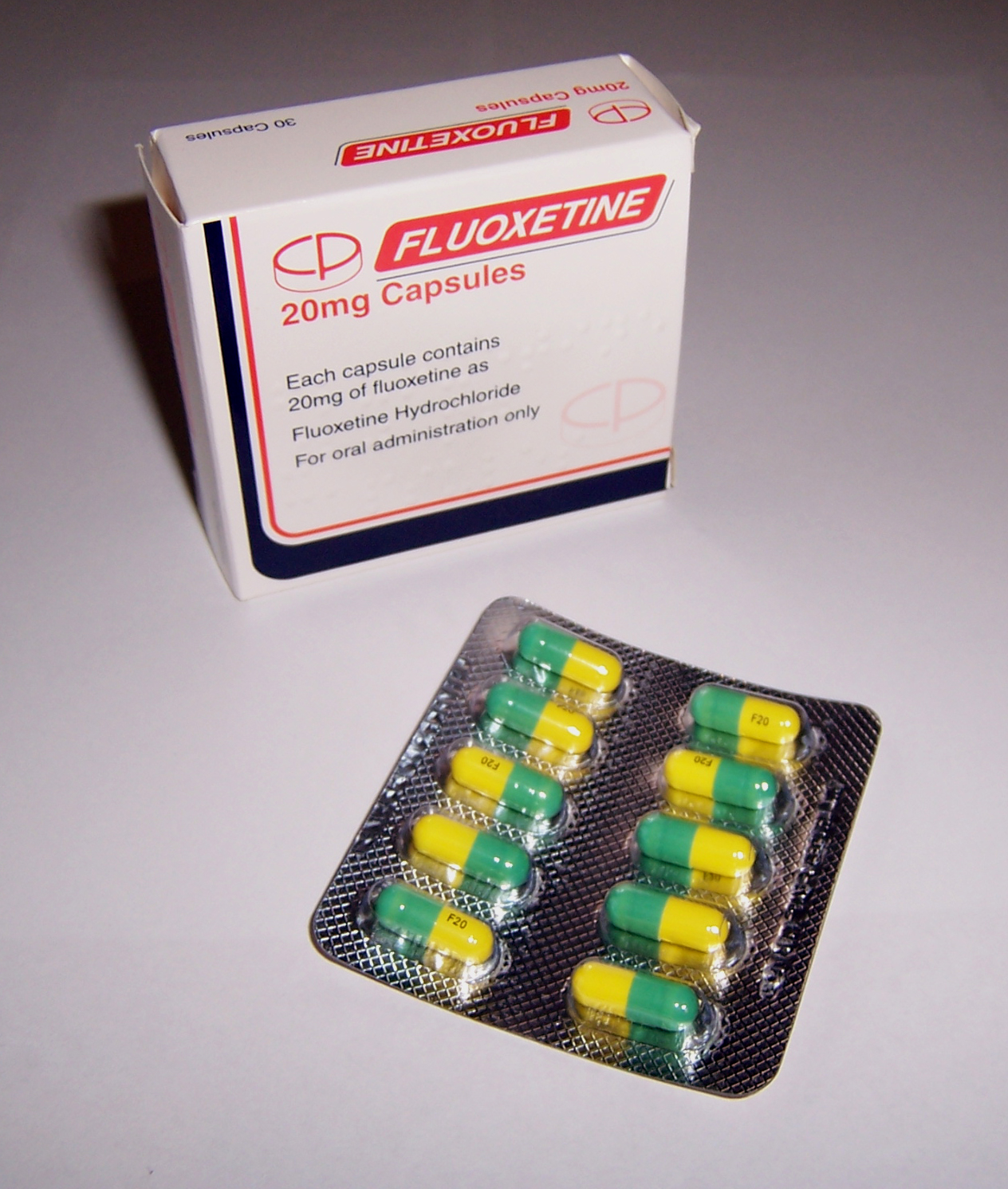
Fluoxetine, commonly known by the trade name Prozac, is an oral antidepressant in the selective serotonin reuptake inhibitor (SSRI) class. It is prescribed for a range of psychiatric conditions where increasing serotonergic activity can improve mood, reduce compulsive behaviors, or decrease panic symptoms. Information about drug formulation, dosing ranges, and official prescribing details can be found in professional references and product inserts: drug information.
Image gallery
4 Images


Mechanism and pharmacology
Fluoxetine works primarily by inhibiting the reuptake of serotonin (5-HT) into presynaptic neurons, which raises extracellular serotonin levels and enhances neurotransmission in pathways implicated in mood and anxiety. It has a relatively long elimination half-life compared with some other SSRIs and an active metabolite, norfluoxetine, that prolongs clinical effects. For summaries of its pharmacology and comparisons with other agents, consult treatment reviews and pharmacology resources: pharmacology overview.
Medical uses
Clinically approved and commonly used indications include:
- Major depressive disorder
- Obsessive-compulsive disorder (OCD)
- Panic disorder, with or without agoraphobia
- Bulimia nervosa (short-term reduction of binge–purge behaviors)
- Premenstrual dysphoric disorder (PMDD)
Guidelines and specialist recommendations vary by condition and patient group; for practice guidance see clinical guideline sources: treatment guidelines.
Side effects and precautions
Common adverse effects include nausea, headache, insomnia or somnolence, gastrointestinal upset, and sexual dysfunction. Less common but serious risks are serotonin syndrome (especially with certain drug combinations), increased suicidal thoughts in some young people early in treatment, and withdrawal or discontinuation symptoms if stopped abruptly. Pregnant people and those planning pregnancy should discuss risks and benefits with their clinician. For safety advisories and monitoring recommendations see safety resources: safety information.
History and notable facts
Fluoxetine was developed in the 1970s and became widely used after regulatory approval in the late 1980s. It played a major role in popularizing SSRIs due to its efficacy across several disorders and a generally favorable side-effect profile compared with older antidepressant classes. Despite newer antidepressants, fluoxetine remains commonly prescribed worldwide and is frequently mentioned in prescribing and epidemiologic reports: prescribing data.
Practical distinctions
Compared with shorter-acting SSRIs, fluoxetine’s long half-life can reduce the severity of discontinuation effects and allows for once-daily dosing, but it also means the drug and its effects persist after stopping. Decisions about choosing fluoxetine involve considering comorbid conditions, drug interactions, patient preference, and prior treatment response.
Related articles
Author
AlegsaOnline.com Fluoxetine (Prozac): overview, uses, pharmacology, and history Leandro Alegsa
URL: https://en.alegsaonline.com/art/35282
Sources
- drugtopics.com : Top 200 Generic Drugs by Units in 2006