
Panic disorder: overview, symptoms, causes and treatment
Panic disorder is an anxiety condition marked by recurrent unexpected panic attacks and persistent concern or behavioral change. It is treatable with psychotherapy, medication, and self‑management strategies.
Panic disorder is a psychiatric condition in which an individual experiences recurrent, unexpected episodes of intense fear called panic attacks. It is classified among anxiety conditions and can produce sudden, overwhelming physical and emotional symptoms that peak within minutes. While panic attacks themselves can happen in many contexts, panic disorder refers to the pattern of repeated attacks accompanied by ongoing worry about future episodes or lasting changes in behavior.
Image gallery
1 Image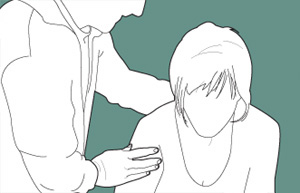
Symptoms and typical features
A panic attack is characterized by a rapid onset of intense fear or discomfort and a cluster of physical sensations. Common features include:
- Heart palpitations, racing pulse or chest pain
- Shortness of breath or a feeling of smothering
- Trembling, sweating, dizziness or lightheadedness
- Nausea, chills or hot flushes
- A sense of unreality (derealization) or detachment from oneself (depersonalization)
- An intense fear of losing control, going crazy, or dying
When these attacks are unexpected and are followed by at least a month of persistent concern about more attacks or significant, maladaptive behavioral changes (for example, avoiding places where an attack occurred), clinicians consider a diagnosis of panic disorder. Panic attacks may also occur within other mental health conditions but do not by themselves define this disorder.
Causes and risk factors
The precise causes of panic disorder are not fully known but are understood to be multifactorial. Genetic predisposition, differences in brain systems that regulate fear (including the amygdala and related circuits), and heightened sensitivity to bodily sensations all contribute. Major life stress, medical problems, or substance use can trigger initial attacks. Onset most commonly occurs in adolescence or early adulthood, though it can appear at any age.
Treatment and management
Effective options combine psychological and medical approaches. Cognitive behavioral therapy (CBT), especially interventions that include exposure to feared physical sensations (interoceptive exposure), is a well-supported form of psychotherapy. Medications such as selective serotonin reuptake inhibitors (SSRIs) or serotonin–norepinephrine reuptake inhibitors (SNRIs) are frequently used; short-term benzodiazepines can relieve acute symptoms but carry risks of dependence.
- CBT and exposure-based techniques to reduce avoidance
- Antidepressant medication for longer-term symptom control
- Breathing retraining, relaxation, and lifestyle adjustments (sleep, caffeine reduction, exercise)
- Education and peer or family support for relapse prevention
Diagnosis, course and important distinctions
Diagnosis is clinical and often involves ruling out medical causes (for example, thyroid problems or cardiac conditions). Panic disorder differs from isolated panic attacks or anxiety related to a specific situation: it implies unexpected attacks plus ongoing concern or behavioral change. Agoraphobia—avoidance of places or situations where escape might be difficult—can develop in association with panic disorder. With timely treatment many people experience substantial improvement; without care, panic disorder can become chronic and interfere with daily functioning.
For general information on anxiety disorders see anxiety disorder resources, and for details on the phenomenology of sudden episodes consult materials on panic attacks.
Related articles
Author
AlegsaOnline.com Panic disorder: overview, symptoms, causes and treatment Leandro Alegsa
URL: https://en.alegsaonline.com/art/74368