
Antidepressant (medication for mood and anxiety disorders)
Medications that alter brain chemistry to relieve depressive and anxiety symptoms. Covers major classes, how they work, common uses, history, side effects, and distinctions between types.
Overview
An antidepressant is a medical medication prescribed to relieve symptoms of mood disturbances and certain anxiety conditions. These drugs are part of a broader clinical approach that often combines pharmacology, psychotherapy and lifestyle measures. Antidepressants are used for major depressive disorder, persistent depressive states, and many anxiety disorders including generalized anxiety and panic disorder; they are also prescribed for other conditions in some cases.
Image gallery
3 Images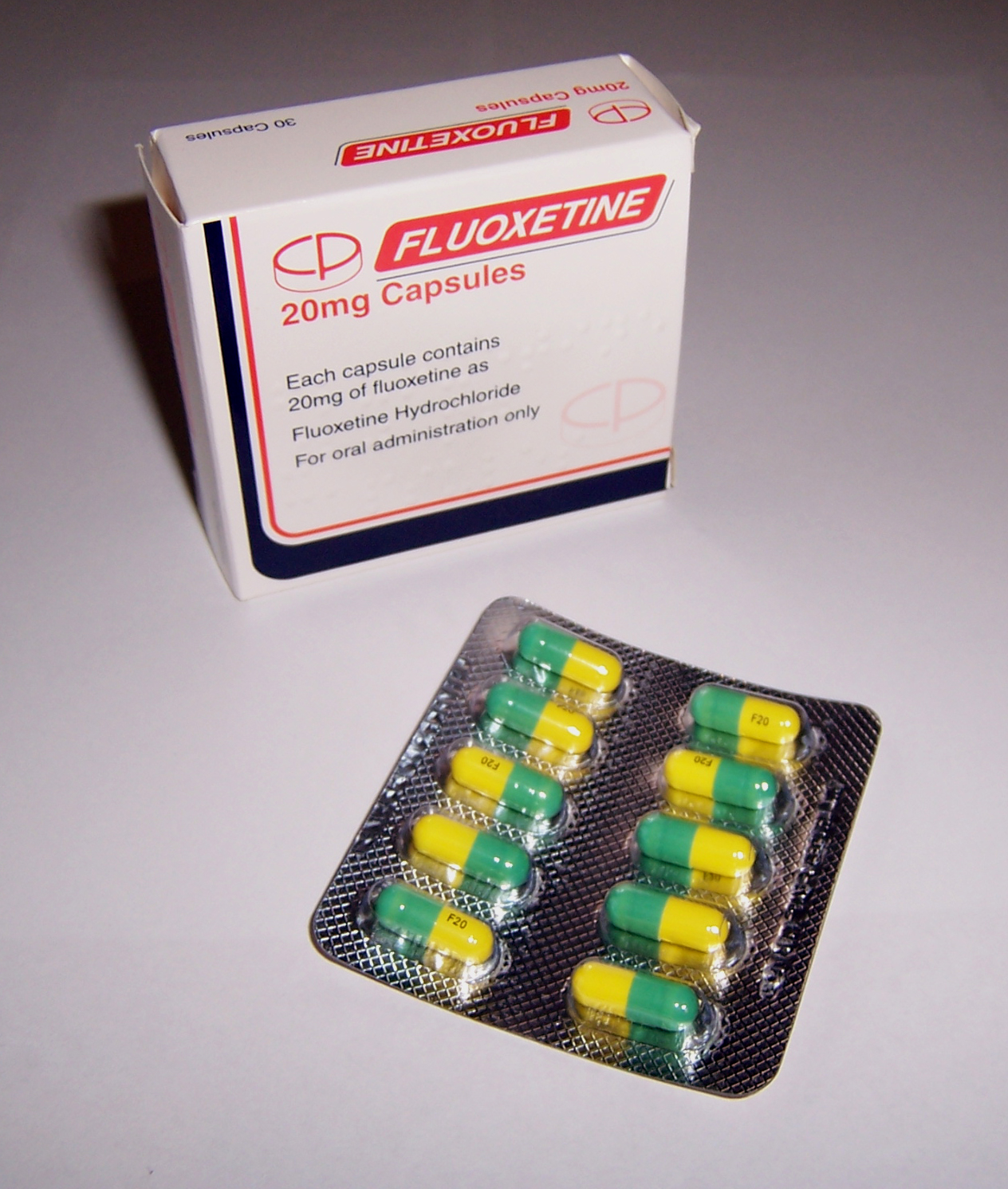


How they work
Antidepressants act primarily by changing the balance or activity of neurotransmitters — chemical messengers such as serotonin, norepinephrine and dopamine — in the brain. Different classes target neurotransmission in distinct ways: some block reuptake of a specific neurotransmitter at the synapse, others inhibit enzymes that break down transmitters, and a few modulate multiple systems. Clinical effects typically develop over several weeks rather than immediately.
Major classes
- Monoamine oxidase inhibitors (MAOIs): one of the earliest effective classes, which inhibit the enzyme monoamine oxidase and require dietary and medication precautions.
- Tricyclic antidepressants (TCAs): older agents that affect multiple neurotransmitters and can have more pronounced side effects.
- Tetracyclic antidepressants (TeCAs): chemically related to TCAs with differing receptor effects and side effect profiles.
- Selective serotonin reuptake inhibitors (SSRIs): commonly used modern agents that increase serotonin availability and tend to be better tolerated.
- Serotonin–norepinephrine reuptake inhibitors (SNRIs): act on both serotonin and norepinephrine pathways and are used for depression and some pain conditions.
History and development
The discovery of antidepressant effects emerged in the mid-20th century from medicines developed for other purposes; clinical observations and biochemical research led to dedicated classes. Over decades, newer agents have aimed to preserve efficacy while reducing side effects and drug interactions. Research continues into faster-acting and more targeted treatments.
Uses, effectiveness and considerations
Antidepressants are effective for many people but responses vary. They are prescribed for depressive and anxiety disorders and sometimes for other problems such as certain chronic pain syndromes or, in some cases, sexual function disorders like premature ejaculation. Treatment choice considers symptom pattern, past response, side effect risks and potential interactions. Common issues include delayed onset of benefit, adverse effects (such as gastrointestinal symptoms, sleep changes or sexual side effects), and the need to taper some agents slowly to avoid withdrawal symptoms. Regular monitoring by a clinician is recommended, and combining medication with psychotherapy often improves outcomes.
Distinctions and notable facts
Antidepressants are not universally sedating or habit-forming in the way benzodiazepines can be; however, they can interact with other medicines and medical conditions, and certain combinations (for example with some over-the-counter and prescription drugs) can be hazardous. Choice of agent is individualized: newer drugs often emphasize tolerability, while older drugs may be reserved for specific situations. Ongoing follow-up helps ensure safety and assess therapeutic benefit.
For general information on mood conditions and treatment options see resources on mood disorders and anxiety disorders, and consult clinical guidelines or a prescribing clinician for personal medical advice.
Questions and answers
Q: What is an antidepressant?
A: An antidepressant is a type of medication used to treat mood disorders such as depression and anxiety disorders.
Q: What are some uses of antidepressants?
A: Antidepressants can be used to lower sex drive, treat premature ejaculation, and alleviate mood disorders.
Q: What are the different types of antidepressants?
A: There are five types of antidepressants: monoamine oxidase inhibitors (MAOIs), tricyclic antidepressants (TCAs), tetracyclic antidepressants (TeCAs), selective serotonin reuptake inhibitors (SSRIs), and serotonin-norepinephrine reuptake inhibitors (SNRIs).
Q: Can antidepressants treat anxiety disorders?
A: Yes, antidepressants can be used to treat anxiety disorders.
Q: How do antidepressants work?
A: Antidepressants work by affecting neurotransmitters, the chemicals in the brain that regulate mood and emotions.
Q: Are there any side effects of taking antidepressants?
A: Yes, there are potential side effects of taking antidepressants, such as nausea, headache, weight gain, and sexual dysfunction.
Q: What should someone do if they think they need to take antidepressants?
A: Someone who thinks they may need to take antidepressants should talk to their doctor or mental health professional, who can recommend the best course of treatment.
Tags
Related articles
Author
AlegsaOnline.com Antidepressant (medication for mood and anxiety disorders) Leandro Alegsa
URL: https://en.alegsaonline.com/art/4634
Sources
- books.google.com : Antidepressants
- commons.wikimedia.org : Antidepressants