
Flipper: aquatic limb and swim fin — form, function, and types
A flipper is a flattened, paddle-like appendage used by animals and people for propulsion and steering in water. Covers anatomy, evolution, human swim fins, and differences from fish fins.
Overview
A flipper is a specialized limb or appendage that has become flattened and broadened to act like a paddle for moving through water. It allows animals to produce thrust, control direction, and stabilize their bodies while swimming. The term applies to both biological structures in aquatic creatures and to human-made swim aids.
Image gallery
8 Images




Structure and function
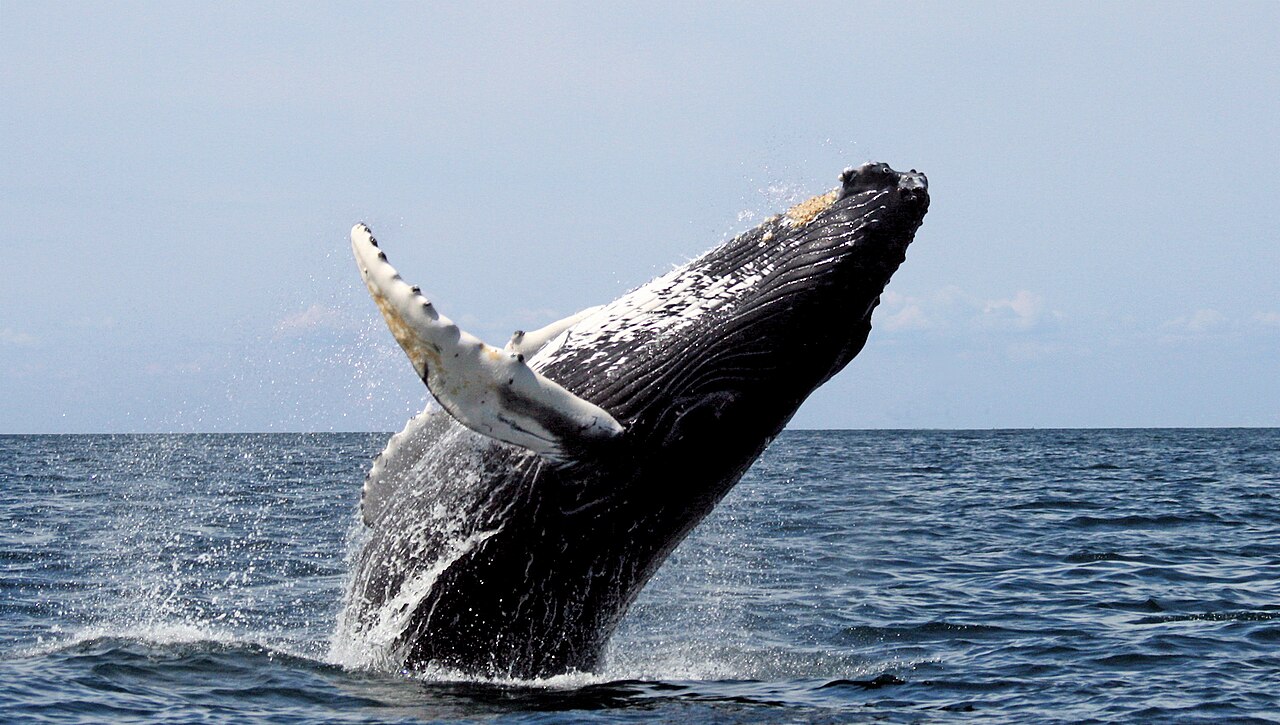
Biological flippers typically retain the underlying bone or cartilage framework of a limb but are modified by flattened bones, fused elements, and a layer of muscle and skin that increases surface area. This shape transforms limb motion into efficient strokes and turns. Some flippers act like oars, others like hydrofoils that generate lift as water flows past.
Evolution and natural history
Flippers evolved repeatedly among vertebrates as land-dwelling ancestors adapted to aquatic life. Marine mammals such as whales and pinnipeds like seals exhibit front and sometimes rear flippers that reflect their swimming styles. Convergent evolution produced similar flattened appendages in reptiles, birds, and extinct marine reptiles.
Human use: swim fins and flippers
In recreational and professional swimming, 'flippers' or swim fins are accessories worn on the foot to amplify thrust and improve efficiency while learning or snorkeling. These devices vary in stiffness and length to suit surface swimming, freediving, or scuba, and they help swimmers conserve energy and increase speed in the water (swim training).
Types and distinctions
- Animal flippers: used for propulsion (whales), steering (sea turtles), and maneuvering in shallow water (seals).
- Fish fins: structurally different, fins evolved from fin rays and are not the same as the limb-based flippers of tetrapods; see fish and the term fin.
- Human-made flippers: vary by design—short, flexible fins for pool training; long, stiff blades for freediving.
Notable facts
Flippers illustrate how modification of a basic limb plan can meet diverse aquatic demands. Their study informs biomechanics, paleontology, and engineering designs for underwater vehicles. Whether evolved in nature or manufactured for people, flippers convert limb motion into effective movement through water and remain a key example of adaptation to an aquatic environment.
Related articles
Author
AlegsaOnline.com Flipper: aquatic limb and swim fin — form, function, and types Leandro Alegsa
URL: https://en.alegsaonline.com/art/35137