
Folate (Vitamin B9): roles, sources, cooking effects and health importance
Folate (vitamin B9) is a water‑soluble vitamin essential for DNA/RNA synthesis, cell division and fetal development. Covers functions, dietary sources, cooking tips, deficiency signs and public‑health measures.
Folate, commonly called vitamin B9, is a group of water‑soluble compounds required for normal growth, development and cell function. The name traces to the Latin folium (leaf) because dark leafy vegetables are rich sources. The synthetic, oxidized form is folic acid; after ingestion folic acid is converted in the body to active folate coenzymes that participate in one‑carbon transfer reactions.
Image gallery
2 Images
Key biological roles
Folate supplies carbon units and methyl groups needed for the synthesis and repair of genetic material: it contributes crucial precursors for DNA and RNA synthesis. These reactions are essential for accurate cell replication and differentiation. Folate also supports amino acid interconversions and the broader methylation cycle that affects gene expression. Rapidly dividing tissues, such as bone marrow and the developing embryo, are particularly dependent on adequate folate.
Metabolism and forms
Dietary folates are usually polyglutamated and must be converted to mono‑glutamate forms for absorption. Folic acid from supplements and fortified foods is more stable but requires enzymatic reduction to active coenzymes. Common genetic variations in folate‑metabolising enzymes can influence how efficiently some people convert folic acid to active forms, which has led to development of alternative supplement formulations for certain clinical situations.
Dietary sources and cooking
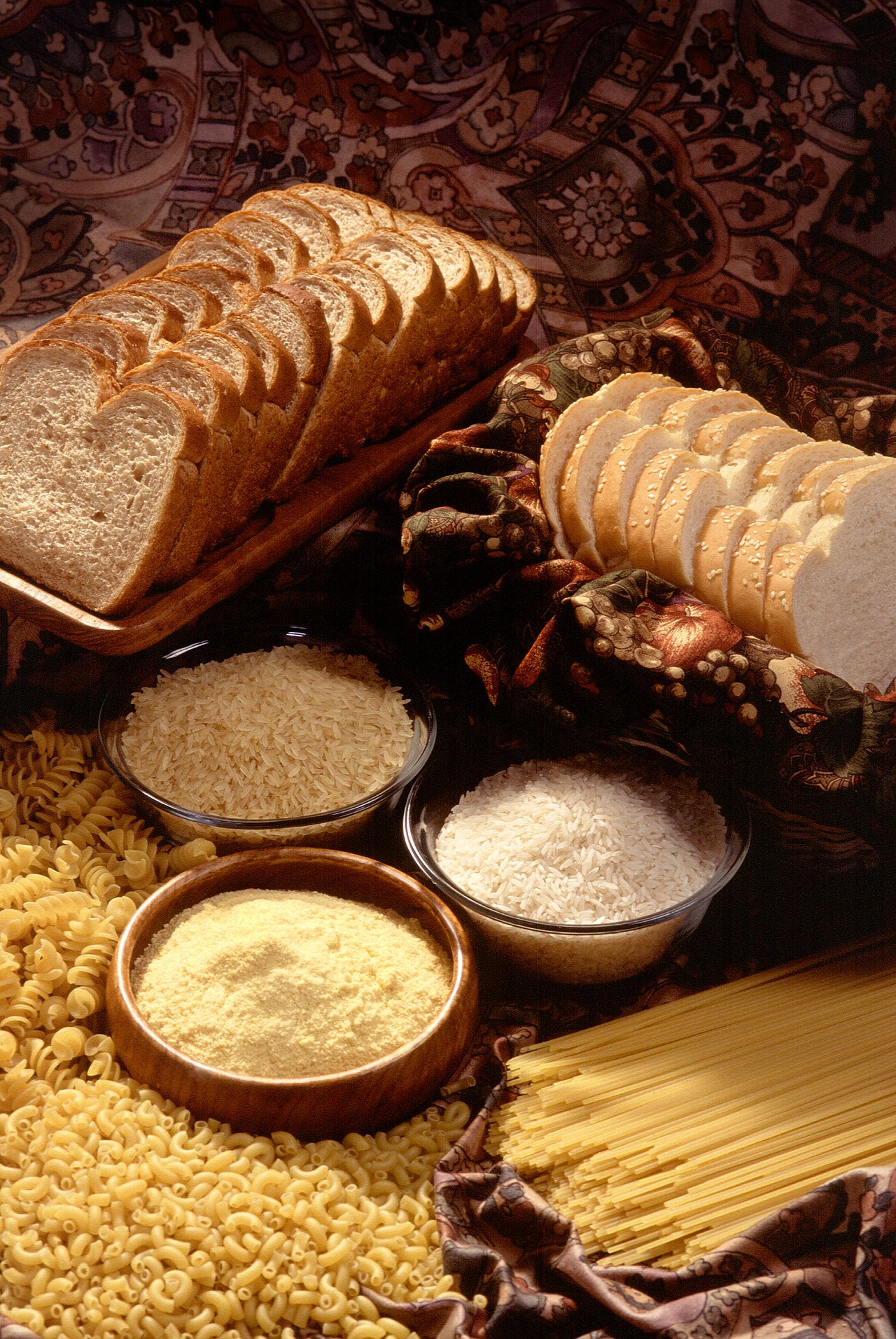
Natural folates occur in high amounts in dark leafy greens, legumes and organ meats. Typical food sources include spinach and kale, beans and lentils, and liver; many countries also mandate or recommend folic acid fortification of certain grain products. Because folate is water‑soluble and sensitive to heat, gentler cooking methods help preserve it: steaming or short microwave cooking generally retain more folate than prolonged boiling. For information on legumes see legumes and for microwave cooking guidance see microwave.
Deficiency and clinical implications
Insufficient folate intake or impaired absorption can cause megaloblastic anemia and may raise blood homocysteine levels. In pregnancy, low folate status is associated with a higher risk of neural tube defects in the developing fetus, which is why periconception supplementation is widely recommended. Clinicians evaluate folate status alongside other causes of anemia and consider dietary, absorption and medication factors.
Public health and supplementation
Many public‑health programs promote folic acid supplementation for people who may become pregnant and fortify staple foods to reduce the population risk of neural tube defects. The choice of dose and the format of supplementation are determined by national guidelines and individual clinical assessment. Because folic acid is metabolised differently from natural folates, healthcare providers may recommend specific formulations in some cases.
Practical points
- Biological importance: Folate supports genetic synthesis and methylation reactions fundamental to cell division.
- Food choices: Eat a variety of greens, legumes and fortified grains to maintain adequate intake.
- Cooking tips: Use steaming or brief microwave cooking to conserve folate compared with long boiling.
- Pregnancy: Periconception supplementation and fortification programs reduce the risk of certain birth defects; follow local health guidance.
For reliable background, consult official dietary guidance and professional clinical advice on folate, folic acid and supplementation strategies.
Related articles
Author
AlegsaOnline.com Folate (Vitamin B9): roles, sources, cooking effects and health importance Leandro Alegsa
URL: https://en.alegsaonline.com/art/35364