
Follicle-stimulating hormone (FSH)
FSH is an anterior pituitary glycoprotein hormone that regulates gamete development and gonadal function in both sexes. It is central to fertility, sexual maturation, and is measured and used in clinical reproductive medicine.
Follicle-stimulating hormone (FSH) is a peptide glycoprotein hormone produced by gonadotroph cells of the anterior pituitary (adenohypophysis). It is one of the primary pituitary regulators of the reproductive system and acts together with luteinizing hormone (LH) under control of hypothalamic gonadotropin-releasing hormone (GnRH). Clinical and physiological descriptions of FSH often appear alongside other pituitary hormones in endocrinology texts and reviews.
Image gallery
3 Images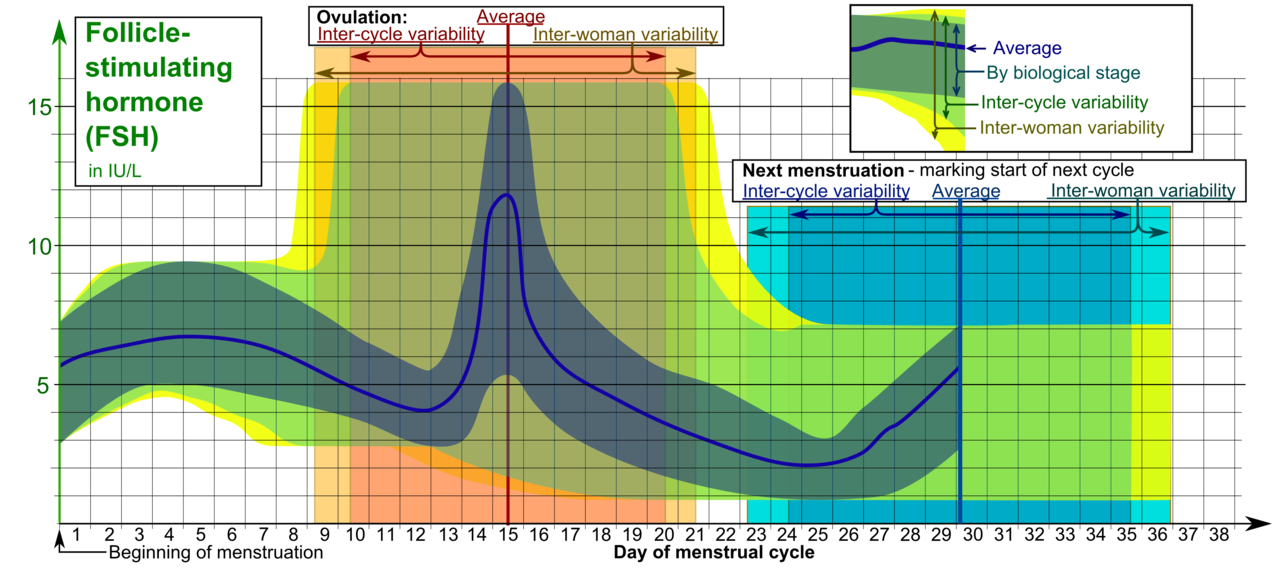


Structure and regulation
FSH is a heterodimer composed of a common alpha subunit shared with several other hormones and a unique beta subunit that confers biological specificity. Secretion of FSH is stimulated by pulsatile GnRH and modulated by feedback from sex steroids (estrogens and testosterone) and by gonadal peptides such as inhibin and activin. These feedback loops help adjust FSH levels across the menstrual cycle, puberty and aging (female physiology) and in male spermatogenesis (male physiology).
Main physiological roles
- In females: FSH promotes ovarian follicle growth, granulosa cell proliferation, and estrogen synthesis that prepare follicles for ovulation and support the menstrual cycle. It acts in coordination with LH, which triggers ovulation and luteinization.
- In males: FSH stimulates Sertoli cells in the testes to support sperm production (spermatogenesis) and maintain the environment needed for germ cell development and maturation.
Clinical significance and uses
Measurement of circulating FSH is a common diagnostic tool: elevated baseline FSH can indicate diminished ovarian reserve or ovarian failure, while low or inappropriately normal FSH may suggest hypothalamic or pituitary causes of infertility. Recombinant and purified FSH preparations are used therapeutically to induce follicular development in assisted reproduction and certain fertility treatments (ovarian stimulation). Assays and clinical protocols are described in medical guidelines and laboratory resources for testosterone and related testing.
Historically, FSH was characterized through biochemical and bioassay studies that distinguished it from LH; its role in sexual maturation and reproductive cycles has been refined by decades of research. Modern understanding emphasizes the hormone's interplay with local gonadal factors and its diagnostic and therapeutic roles in reproductive medicine and endocrine literature.
Distinctive facts: FSH levels change with age and reproductive state, rising after menopause in women due to loss of ovarian feedback. In clinical practice, FSH is interpreted alongside LH, estradiol, inhibin, and imaging findings to guide diagnosis and treatment decisions. For further reading and technical detail consult endocrine textbooks and specialized reviews on glycoprotein hormones and clinical guidelines on female reproductive health.
Related articles
Author
AlegsaOnline.com Follicle-stimulating hormone (FSH) Leandro Alegsa
URL: https://en.alegsaonline.com/art/35381