
Flevoland
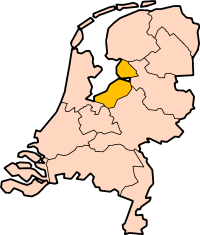
Flevoland, the Netherlands' youngest province reclaimed from the IJsselmeer. Capital Lelystad; largest city Almere. Formed by the Zuiderzee Works; notable for polders, planned towns, agriculture and nature reserves.
Overview
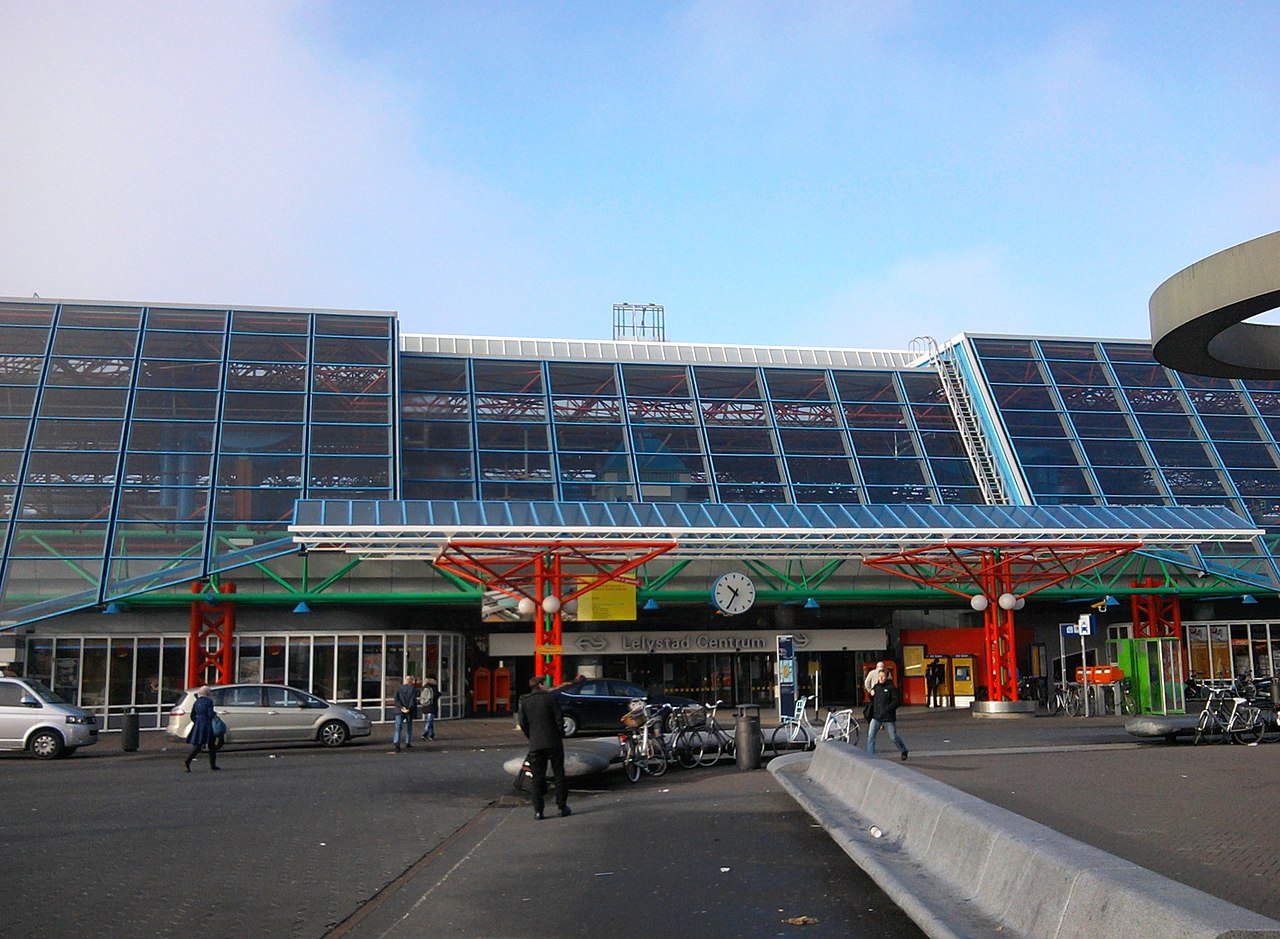
Flevoland is the youngest Dutch province, created on land reclaimed from the former Zuiderzee and IJsselmeer as part of the 20th-century Zuiderzee Works. Its administrative capital is Lelystad, named after the engineer Cornelis Lely who planned the reclamation, while Almere is the largest and fastest-growing city. The province had roughly 428,000 residents in 2021 and is distinguished by its planned towns, expansive polder landscapes and engineering heritage.
Image gallery
9 Images




Geography and land reclamation
Flevoland consists predominantly of polders—tracts of land reclaimed from inland sea, protected by dikes and drained by a network of canals and pumping stations. The main reclaimed areas are the Noordoostpolder and the two contiguous polders often referred to as Eastern and Southern Flevoland. The flat, open terrain exhibits a clear pattern of roads, fields and waterways resulting from deliberate design and land-use planning.
Municipalities
The province contains several municipalities, each reflecting different phases of planning and settlement. Major municipalities include:
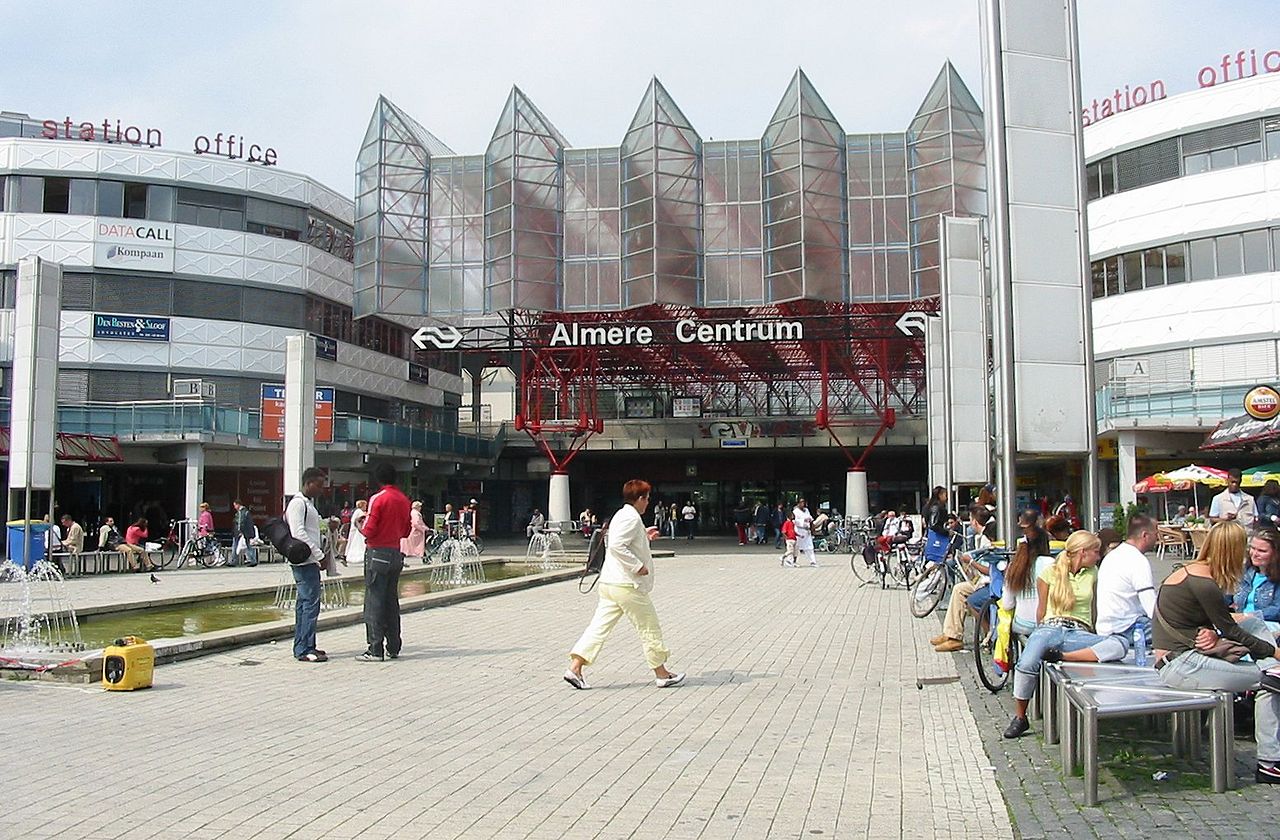
- Almere — the largest city, developed as a planned new town and now a regional residential and commercial centre
- Lelystad — provincial capital and administrative hub, with cultural institutions and museums about reclamation
- Dronten — mixed agricultural and residential areas
- Noordoostpolder — intensive agriculture with towns such as Emmeloord
- Urk — formerly an island, now a historic fishing community incorporated into the province
- Zeewolde — a newer municipality with a mix of housing and green space
Economy, transport and nature
The economy blends agriculture, horticulture, logistics, light industry and services. Flevoland supplies food and plants to national and international markets and hosts distribution links to the Randstad and northern Netherlands. Public transport and road links connect cities in the province to Amsterdam and other urban centres. Significant nature areas include the Oostvaardersplassen, a recreated wetland that supports birds and large grazing mammals and has become important for conservation and ecological study.
History and significance
The reclamation works that produced Flevoland were among the largest water-management projects of the 20th century and illustrate the Dutch tradition of engineering, planning and adapting to sea-level challenges. The province was formally established in 1986; its creation reshaped the geography of the country and continues to be cited in discussions of land reclamation, urban design and nature restoration.
Related articles
Author
AlegsaOnline.com Flevoland Leandro Alegsa
URL: https://en.alegsaonline.com/art/35109