
Lelystad — planned city and capital of Flevoland, Netherlands
Lelystad is a planned city in the central Netherlands and the capital of Flevoland, created on land reclaimed from the former Zuiderzee. It has around 71,000 residents and notable nature and aviation sites.

Overview: Lelystad is a municipality and city in the central part of the Netherlands. It serves as the administrative capital of the province of Flevoland and has a population of approximately 71,000 people. The settlement is distinctive because it was built on reclaimed land and planned as a modern town rather than evolving from an older village core.
Image gallery
10 Images


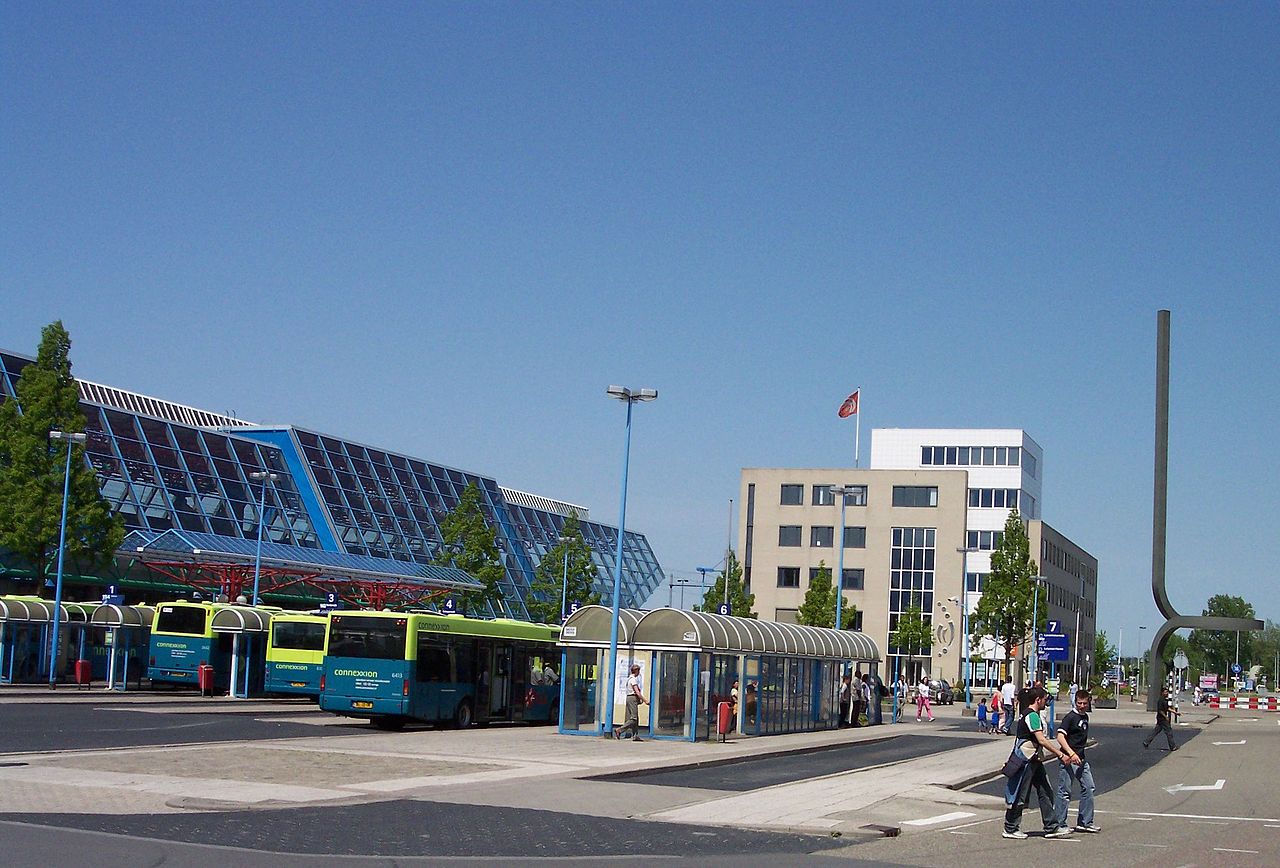


History and development
Lelystad emerged from the large-scale land-reclamation efforts of the 20th century that transformed parts of the former Zuiderzee into new polders. The city is named for engineer Cornelis Lely, whose designs for the Afsluitdijk and land reclamation helped make the province possible. Urban construction and infrastructure were laid out during the mid-20th century to accommodate housing, services and agriculture on newly formed soil.
Characteristics and layout
The town exhibits characteristics of planned urban development: clearly zoned neighborhoods, broad roads, and a mix of residential, industrial and green areas. Much of the surrounding landscape is flat farmland and wetlands created when the sea was closed off. Nearby nature reserves, shallow lakes and reed beds contrast with the geometric pattern of roads and canals in the polder.
Economy, culture and attractions
Lelystad's economy combines public administration, agriculture, light industry and services, with growing contributions from tourism. Notable attractions include:
- Batavia Stad fashion outlet — a popular shopping destination built in the style of the 17th-century Dutch harbor.
- Aviodrome — an aviation museum with historic aircraft and exhibits on flight history.
- Oostvaardersplassen and other protected wetlands — important sites for birdlife and nature recreation.

Visitors and residents also encounter features typical of reclaimed-land towns: extensive cycling and walking routes, visible water-management works, and a sense of recent history tied to national engineering projects. Lelystad can be a base for exploring the Markermeer shoreline and for observing ambitious human efforts to reshape and manage a coastal landscape.
Notable fact: Lelystad is often cited as an example of mid-20th-century planning and large-scale reclamation in the Netherlands, illustrating how engineering, ecology and urban design interact in a low-lying country.
Questions and answers
Q: Where is Lelystad located?
A: Lelystad is located in the middle of the Netherlands.
Q: What is the population of Lelystad?
A: Lelystad has a population of around 71,000 inhabitants.
Q: What is Flevoland?
A: Flevoland is one of the provinces of the Netherlands.
Q: Is Lelystad the capital of Flevoland?
A: Yes, Lelystad is the capital of Flevoland.
Q: How many provinces does the Netherlands have?
A: The Netherlands has 12 provinces.
Q: Is Lelystad a big or small town?
A: With a population of around 71,000 inhabitants, Lelystad is a moderately sized town.
Q: What is the significance of Lelystad being the capital of Flevoland?
A: As the capital of Flevoland, Lelystad serves as an important center of government and culture for the province.
Related articles
Author
AlegsaOnline.com Lelystad — planned city and capital of Flevoland, Netherlands Leandro Alegsa
URL: https://en.alegsaonline.com/art/57086