
Flintlock: mechanism, history, and significance of the flint firing system
Flintlock firearms use a flint striking steel to ignite powder. This article explains the mechanism, components, historical development, uses, variants, and care of flintlocks, with distinctions from earlier and later systems.
Overview
A flintlock is both a type of firearm and the name of the firing mechanism it uses. In general usage a flintlock refers to firearms that ignite their powder charge by the action of a sharp piece of flint striking a steel surface to produce sparks. The design became the dominant ignition system for shoulder arms and pistols across Europe and the Americas from the 17th century until the mid-19th century, when percussion cap systems largely superseded it. For an introduction to the mechanism itself see flintlock mechanism.
Image gallery
10 Images




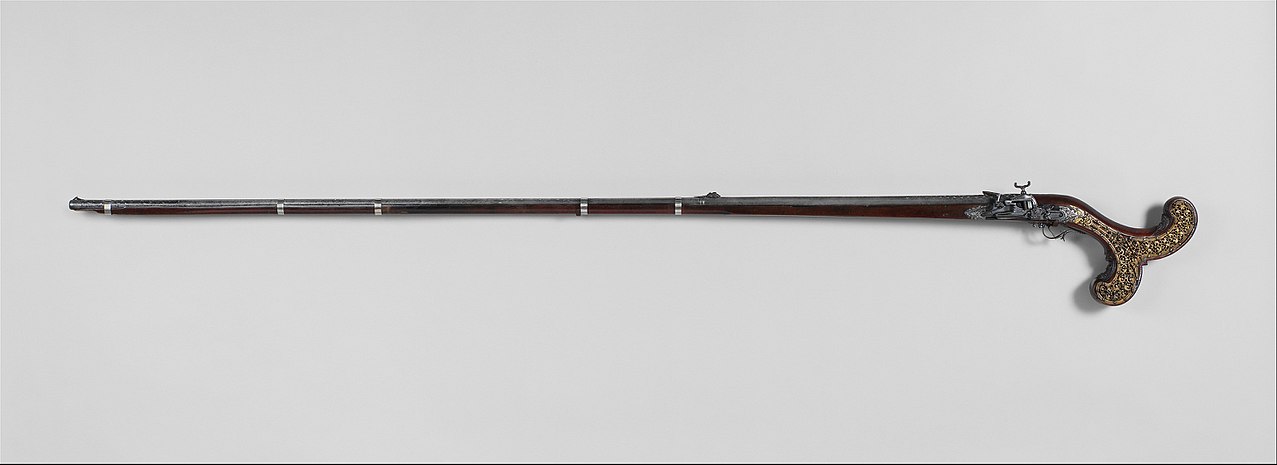
Mechanism and main parts
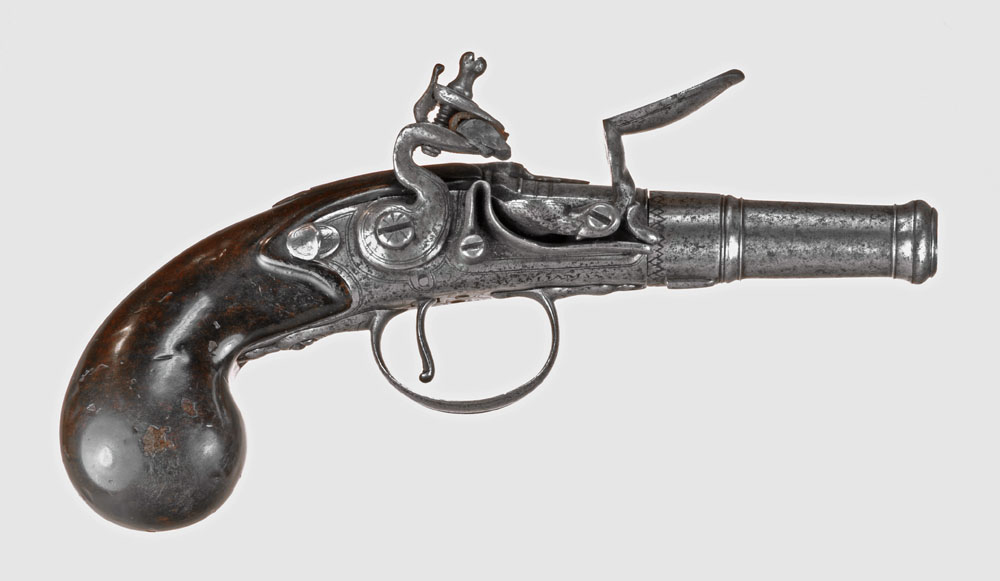
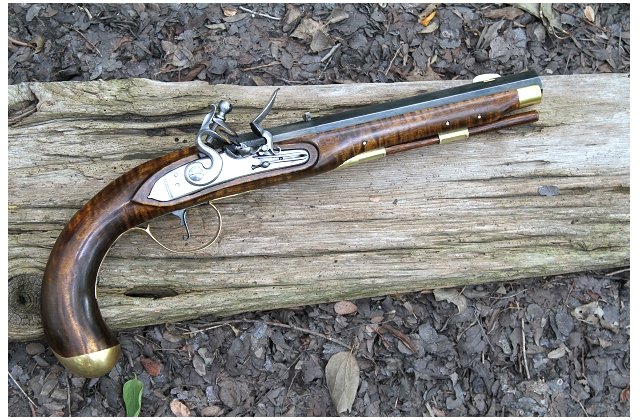
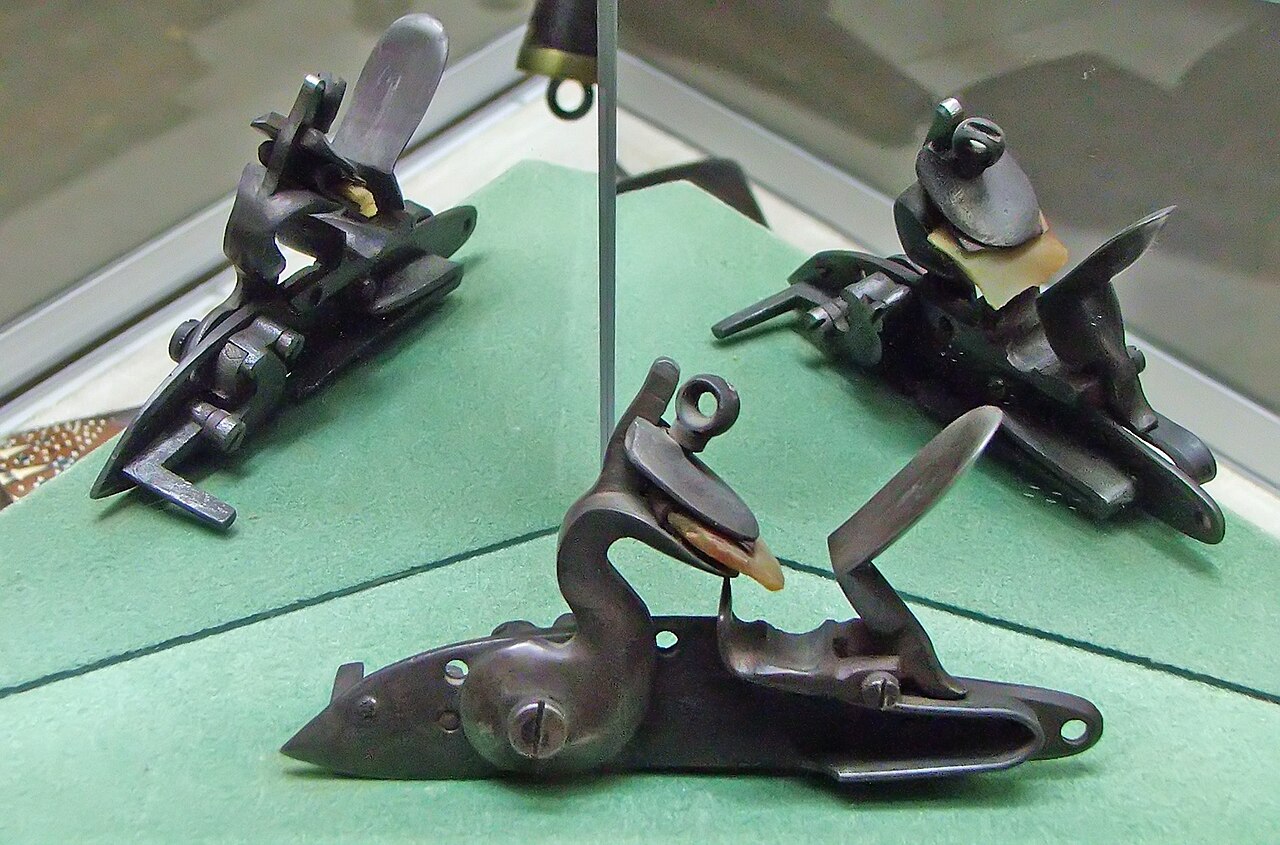
The flintlock firing cycle depends on a small number of interacting parts. A piece of flint is clamped in the jaws of the hammer (also called the cock) and held at a specific angle. When the trigger is pulled, the hammer falls and the flint strikes a hardened steel surface called the frizzen. The impact shaves tiny particles of steel and flint, producing sparks that fall into a shallow pan containing a priming charge of gunpowder. The pan sits over a narrow touch hole that communicates with the main powder charge in the barrel; when the priming powder ignites, flame travels through the hole to fire the projectile.
- Common parts: cock (hammer), flint, frizzen (steel), pan, touch hole, trigger, barrel.
- Supporting items: ramrod, nipple or touch-hole cleaning tools, priming flask.
- Related components and controls are discussed in sources about the flint itself and the trigger mechanism.
How a flintlock fires
- Loading: powder and projectile are seated in the barrel and rammed home.
- Priming: a small amount of fine powder is placed in the pan.
- Cocking: the hammer is drawn back under spring tension.
- Firing: pulling the trigger releases the hammer; the flint strikes the frizzen, creating sparks and opening the frizzen to expose the pan.
- Ignition: priming powder ignites and transmits flame through the touch hole to the main charge, propelling the projectile.
Contemporary descriptions of ignition and powder behaviour can be consulted under topics such as gunpowder and ignition.
History and development
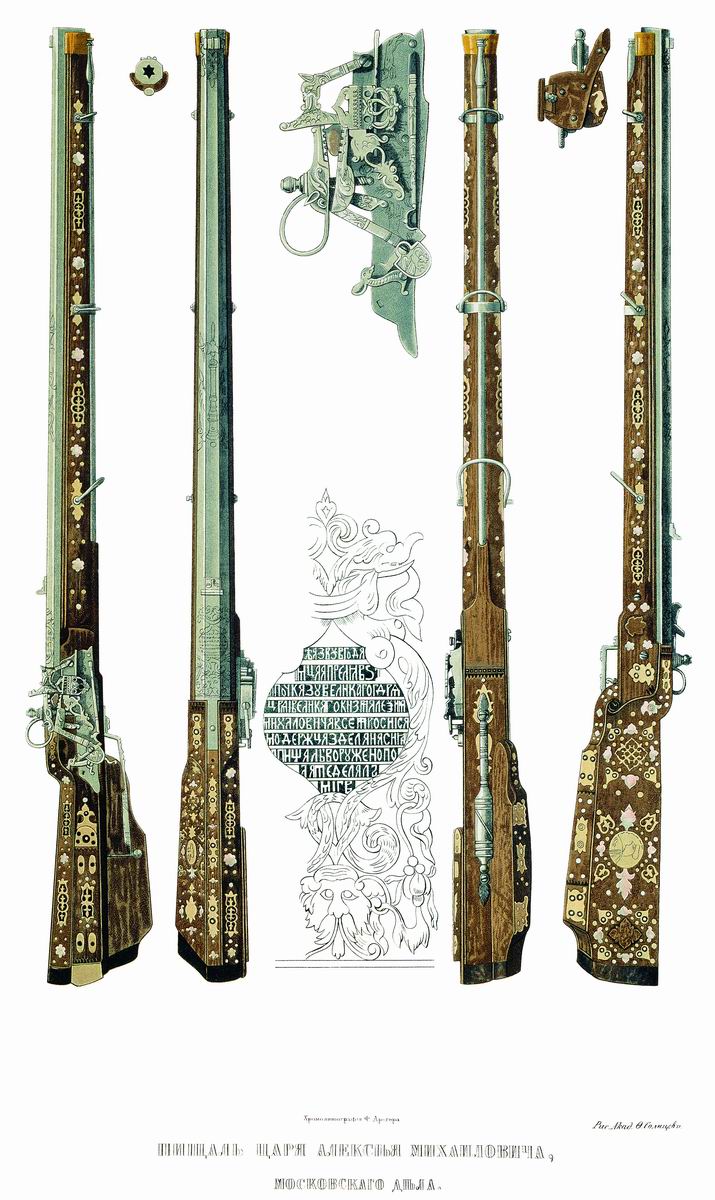
Early hand-held firearms used matchlocks and wheel-locks before the flintlock became widespread. The flintlock emerged in the early 17th century as gunsmiths refined simpler, more reliable ways to produce sparks on demand. It consolidated several earlier improvements into a robust, relatively cheap system suitable for mass production. Over two centuries the flintlock was adapted to a wide range of weapons, from cavalry pistols and duelling pistols to infantry muskets and naval ordnance. By the 19th century, the percussion cap and eventually metallic cartridges offered faster, more weather-resistant ignition, leading to the gradual replacement of flintlock arms.
Uses, variants and notable distinctions
Flintlocks were manufactured with smoothbore barrels common to muskets and many pistols, and later with rifled barrels for accuracy. Smoothbore arms remained prevalent for massed infantry because they were faster to load and less sensitive to fouling, while rifled flintlocks were preferred for hunting and marksmen. See distinctions between muskets, smoothbore designs, and rifled barrels. Flintlock pistols and rifles were used in military, naval, hunting, and civilian self-defense contexts; they were also the standard duelling weapon where such contests occurred.
Care, limitations and enduring interest
Flintlocks require careful maintenance: the frizzen and flint must be kept in good condition, pans cleared of damp, and touch holes kept unobstructed. They are sensitive to wet weather; moisture can prevent priming powder from igniting reliably. Despite these limitations, flintlocks remain popular with historical reenactors, collectors, and black powder sport shooters because of their role in shaping early modern warfare and culture. Modern reproductions and restoration projects often cite original parts and procedures while following safety standards for antique firearms.
For technical comparisons and further reading on specific elements of the system see resources on the firing projectile and mechanical innovations summarized in specialized studies at mechanism reviews and material sources on flint selection and care.
Questions and answers
Q: What is a flintlock?
A: A flintlock is a type of firearm that uses the flintlock firing mechanism.
Q: What is the flintlock firing mechanism?
A: The flintlock firing mechanism uses a piece of flint held in a locking jaw to ignite gunpowder and fire a round ball, shot, or bullet.
Q: How does the flintlock firing mechanism work?
A: When the trigger is pulled, a hammer with the flint attached falls, striking a piece of steel called a "frizzen". This causes a spark, which ignites the gunpowder in the pan and then the main powder charge in the breech of the gun.
Q: How long was the flintlock popular?
A: The flintlock was a very popular type of musket for over 200 years.
Q: What types of barrels were available for flintlocks?
A: Flintlocks were available with both smoothbore and later rifled gun barrels.
Q: Can the term flintlock refer to just the firing mechanism?
A: Yes, the term flintlock can refer to just the firing mechanism itself.
Q: What materials are used in the flintlock firing mechanism?
A: The flintlock firing mechanism uses a piece of flint and a piece of steel called a "frizzen".
Related articles
Author
AlegsaOnline.com Flintlock: mechanism, history, and significance of the flint firing system Leandro Alegsa
URL: https://en.alegsaonline.com/art/35130
Sources
- derpwell.weebly.com : "A Brief History on Flintlocks and Guns"
- militaryfactory.com : "Flintlock Guns"
- militaryfactory.com : militaryfactory.com/
- sca-isles.org : "Snaphaunce"
- thefirearms.guide : "Early Firearms History"
- militaryhistory.about.com : "American Revolution: "Brown Bess" Musket"
- explorepahistory.com : "Pennsylvania Rifle Historical Marker"
- nramuseum.org : "U.S. Springfield Model 1795 Flintlock Musket Type I"
- johnniestott.weebly.com : "The U.S Musket Model 1795"
- johnniestott.weebly.com : johnniestott.weebly.com/
- frenchinwisconsin.com : "A Fusil by any other name – French era guns"
- history.com : "Weapons Rundown: Kentucky Flintlock Pistol"
- americanhistory.si.edu : "Pennsylvania/Kentucky Pistol"
- allencountymuseum.org : "F is for Flintlock"