
Flight recorder (black box): purpose, types, design and history
A flight recorder records aircraft performance and cockpit audio to aid accident investigation. Built to survive extreme impact and heat, it includes flight data and cockpit voice recorders and may be combined into one unit.
Overview
A flight recorder, commonly called a "black box," is a robust device installed in an aircraft to record operational data and cockpit audio for later analysis. Its primary purpose is to help investigators determine the sequence of events leading up to an accident or incident. Because investigators rely on this recorded information after destructive events, the equipment is engineered to survive severe impact, immersion, and fire.
Image gallery
10 Images




Design and protection
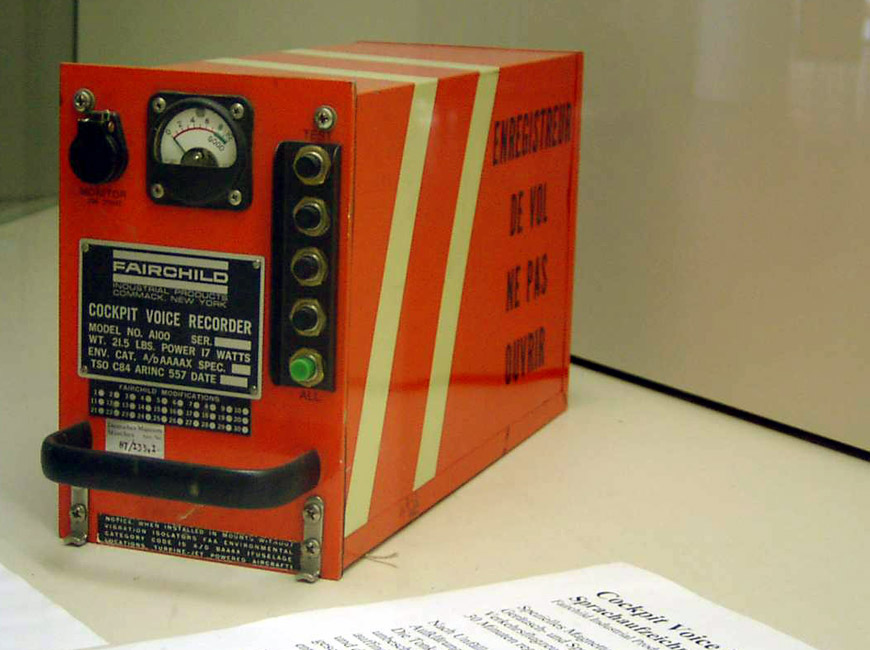
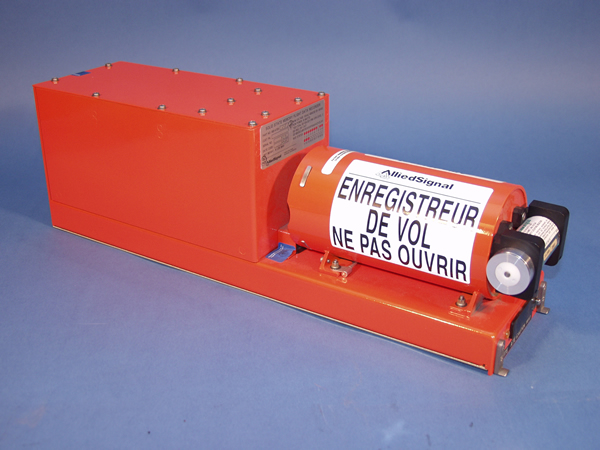
Flight recorders are housed in brightly colored, highly protected cases and are sited in locations on the airframe that maximize their chance of surviving a crash. Modern designs emphasize resistance to extreme mechanical shock, high temperatures, and prolonged immersion in water. International and industry standards define minimum survivability requirements; devices are typically built to withstand very high accelerations and intense heat to preserve data in the worst credible crash scenarios.
Types and functions
There are two primary kinds of protected recorders. The flight data recorder (FDR) captures parameters such as airspeed, altitude, heading, control surface positions and engine performance. The cockpit voice recorder (CVR) preserves cockpit audio, including pilot conversations, warnings, and ambient sounds. In many contemporary aircraft these functions are combined into a single unit that stores both data streams, making recovery and analysis more efficient.
History and development
The concept of recording flight information evolved as aviation expanded and investigators sought objective evidence after accidents. Early experimental devices captured limited data; over time, technology advances, regulatory requirements and practical experience led to standardized instruments and installation practices. The first widely recognized work on combined audio and data recording is associated with Australian researcher David Warren, whose efforts contributed to adoption of cockpit voice recording in subsequent decades.
Uses and importance
Recovered flight recorder data are a central source for accident investigations and safety improvements. Analysts use them to reconstruct flight paths, confirm instrument readings, identify system failures, and understand crew actions. Beyond aviation, similar recorder concepts have been adapted for other transportation modes—trains, ships and some automobiles—to improve post-incident analysis and to inform design or operational changes that enhance safety.
Characteristics, limitations and notable facts
- Common nicknames and appearance: despite being called "black boxes," recorders are often painted bright orange to aid visual recovery.
- Data retention: modern units store many hours of continuous parameters and audio on rugged memory modules.
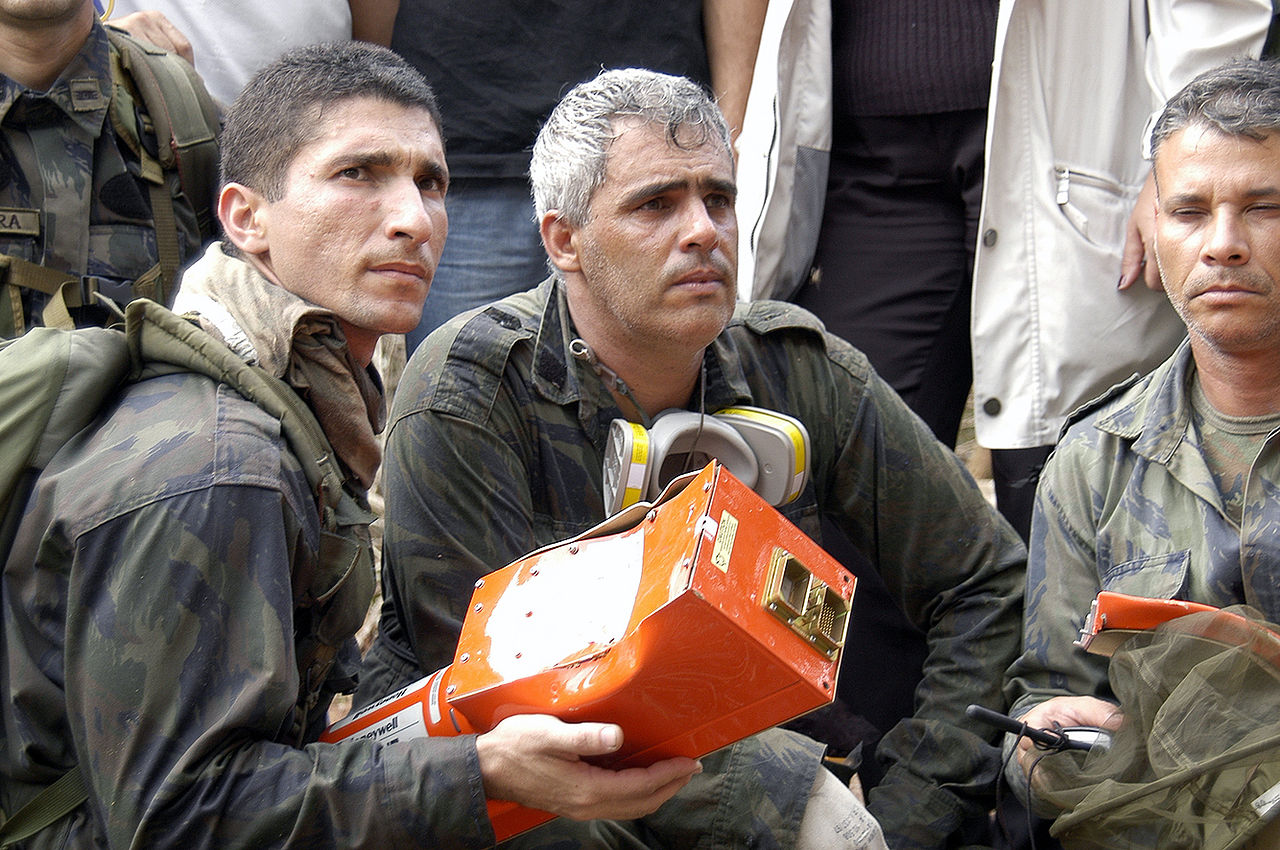
- Limitations: recovery can be difficult in deep water or remote terrain, and data can be degraded in very severe events; investigators combine recorder data with other sources for a full picture.
- Regulation and placement: civil aviation authorities require recorders on most commercial aircraft, and standards guide performance and retention times.
For more technical specifications and regulatory guidance see manufacturer documentation and applicable standards; for practical accident case studies and analysis methods consult authoritative investigation reports and aviation safety organizations via aircraft documentation or other resources.
Related articles
Author
AlegsaOnline.com Flight recorder (black box): purpose, types, design and history Leandro Alegsa
URL: https://en.alegsaonline.com/art/35120