
First Amendment to the United States Constitution
Overview of the First Amendment: its protections for religion, speech, press, assembly and petition; origins, legal development, limits, and contemporary significance.
Overview
The First Amendment, ratified in 1791 as part of the Bill of Rights, protects several fundamental liberties. Its text begins, "Congress shall make no law...", and it guarantees freedom of speech, freedom of religion, freedom of the press, the right to peaceably assemble, and the right to petition the government. Those five protections are often treated together because they support public debate and democratic governance.
Image gallery
10 Images


Key components
- Establishment Clause — prohibits an establishment of religion by government and prevents official endorsement of one faith over another.
- Free Exercise Clause — protects individuals' rights to practice religion without undue government interference.
- Freedom of speech and press — protect expression, reporting, and criticism of public officials and institutions.
- Assembly and petition — safeguard collective action, protests, and the ability to seek remedies from authorities.
Historical background and development
Drafted in the wake of the American Revolution, the First Amendment reflected concerns about centralized authority and religious coercion. James Madison played a central role in proposing the amendments. Initially, these prohibitions constrained only the federal government; several states continued to have established churches. Over the 19th and 20th centuries, the Supreme Court interpreted the Amendment's protections and, through later decisions and the doctrine of incorporation under the Fourteenth Amendment, applied many of its limits to state governments as well. Debates about the proper meaning of separation between church and state often invoke Thomas Jefferson's phrase "separation of church and state" in a letter to the Danbury Baptists.
Legal limits and tests
The First Amendment is robust but not absolute. Courts have defined categories of unprotected or limited speech, including true threats, incitement to imminent lawless action, certain obscenity, and some forms of defamation. Landmark doctrines have shaped application: for example, the balancing of public order against expressive rights when speech poses a clear and present danger, specific tests for government aid to religion, and standards for press liability in cases involving public figures. These doctrines continue to evolve as new contexts — such as the internet and social media platforms — raise novel questions about regulation and responsibility.
Uses, examples, and contemporary significance
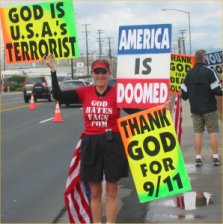
Practically, the First Amendment enables journalism, academic freedom, political organizing, protests, religious worship, and legal challenges to government action. It protects a wide spectrum of expressions from dissenting opinions to investigative reporting that holds officials accountable. At the same time, governments routinely assert interests in public safety, order, and the rights of others when regulating speech and assembly, creating frequent legal and political disputes about where to draw the line.
Notable distinctions and the text
It is important to distinguish the Establishment Clause—barriers against government establishment or endorsement of religion—from the Free Exercise Clause, which forbids government interference with religious practice. The Amendment begins with a direct prohibition aimed at Congress, and its reach has been clarified over two centuries of cases and statutes. Courts and commentators also refer to the general concept of separation of church and state when discussing the Establishment Clause, and they often point to the role the federal government plays versus state or local authorities in matters of religion and expression. The First Amendment's protections continue to be litigated and debated, from school prayer and public funding for religious institutions to limits on speech that incites violence or spreads demonstrably false statements. The federal government, including the federal government institutions, and state governments must navigate these protections when shaping laws and policies.
Quoted phrase: "Congress shall make no law respecting an establishment of religion, or prohibiting the free exercise thereof; or abridging the freedom of speech, or of the press; or the right of the people peaceably to assemble, and to petition the Government for a redress of grievances." This short clause has had an outsized influence on American political life and constitutional law.
Related articles
Author
AlegsaOnline.com First Amendment to the United States Constitution Leandro Alegsa
URL: https://en.alegsaonline.com/art/34511