
Freedom of Assembly and Association: Rights, Limits, and Importance
Overview of the right to gather and organize peacefully, its legal features, historical development, common forms and limits, and how it differs from related civic freedoms.
Overview
Freedom of assembly and freedom of association refer to the ability of individuals to come together and form groups, organizations or gatherings to pursue shared interests, express opinions or take collective action. This right covers both public demonstrations and private organizations and is often described together because they overlap in purpose and protection. The concept underpins civic life, enabling everything from political parties and labor unions to cultural clubs and business associations. For a concise legal summary see key references.
Image gallery
3 Images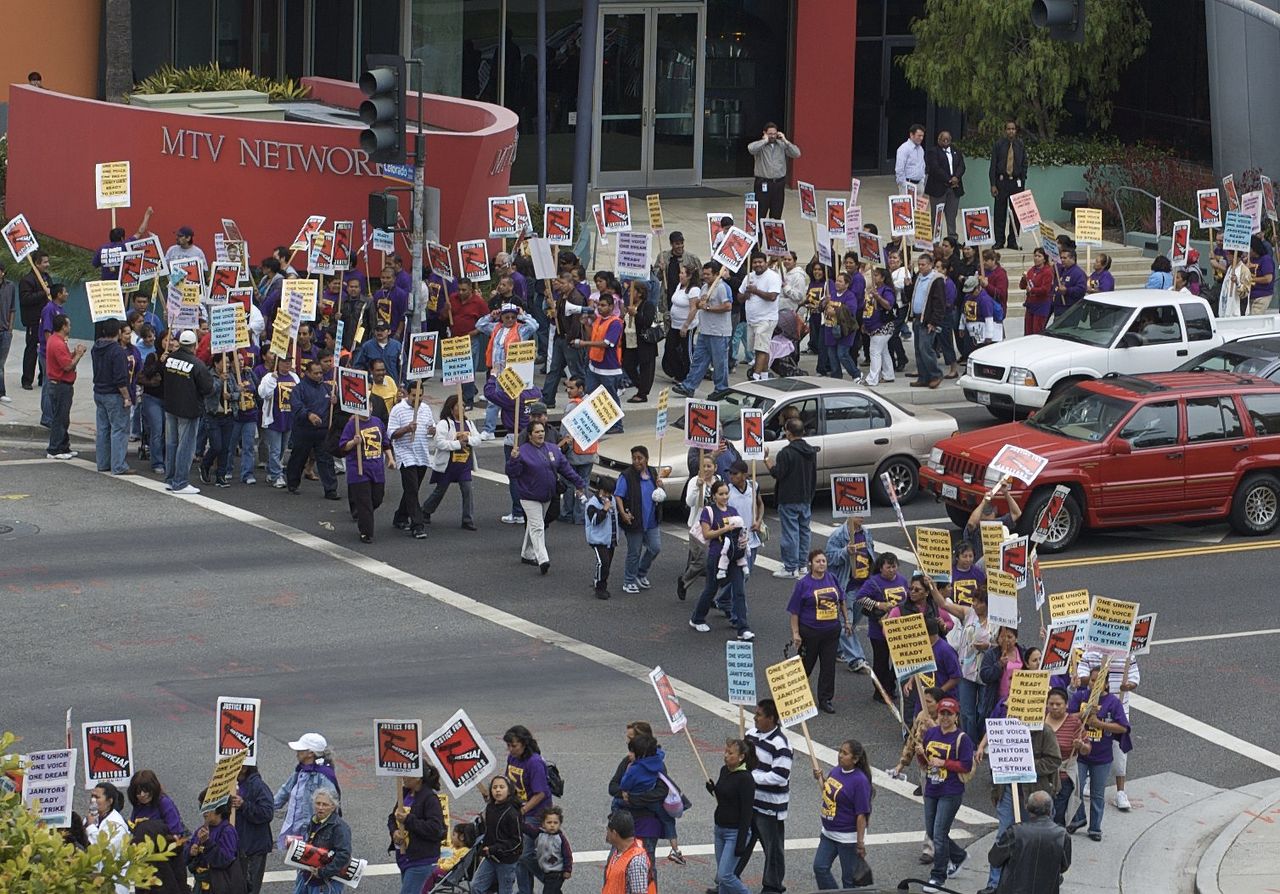

Core characteristics
At its core the right requires that gatherings be allowed to occur peacefully. It protects the formation of formal and informal groups, the holding of meetings, rallies, marches and protests, and the right to invite members or leaders. Typical elements include freedom to assemble, to associate, and to pursue common goals collectively. Courts and human rights bodies stress that protection applies to both temporary events and long-term organizations; for examples of uses in civic life consult case studies and commentary on practice.
History and legal foundations
The modern legal recognition of these freedoms emerged with democratic constitutions and international human rights instruments. Prominent provisions include the First Amendment to the U.S. Constitution guaranteeing the right to "peaceably assemble" and international instruments like the Universal Declaration and regional treaties that protect association and assembly. Historical movements — labour organizing, suffrage campaigns and civil rights protests — relied on these freedoms to press for social change.
Common forms and examples
- Public demonstrations: rallies, marches and vigils.
- Private association: unions, political parties, professional and business groups.
- Civic gatherings: town meetings, community workshops and cultural events.
- Direct action: sit-ins, strikes and nonviolent occupations.
These activities serve purposes from expressing political views to negotiating labor conditions or organizing charitable work. Observers discuss the role of protest groups and party structures in shaping public debate; see further material at analyses.
Limits, obligations and distinctions
Freedom of assembly is not absolute. States may impose lawful, necessary and proportionate restrictions to protect public safety, order, health or the rights of others. Typical regulations include reasonable time, place and manner rules, permit systems, and restrictions in sensitive locations. International standards emphasize minimal intrusion and require that limits be clearly prescribed by law. It is important to distinguish "assembly" (a temporary gathering) from "association" (ongoing membership-based groups) and to note the difference between peaceful assembly and unlawful violence or rioting; further guidance is available in legal guides and reports on the subject.
Questions and answers
Q: What is the freedom of assembly?
A: The freedom of assembly is the right granted to individuals to join together with others peacefully to express common opinions and reach common goals, both in public and private.
Q: What does freedom of association mean?
A: Freedom of association refers to the right of individuals to join together with others, including business groups, civic organizations, labor unions, political parties, and protest groups in order to express their common opinions and achieve common goals.
Q: Does freedom of assembly concept include private gathering?
A: Yes, the concept of freedom of assembly includes the ability to gather and express common opinions in private.
Q: What are the examples of groups that can exercise freedom of assembly?
A: Examples of groups that can exercise freedom of assembly include civic organizations, labor unions, political parties, business groups, and protest groups.
Q: Can the freedom of assembly be exercised in public?
A: Yes, the freedom of assembly can be exercised in public, as individuals have the right to peacefully gather together with others to express their opinions and work towards common goals.
Q: Are the rights to join groups or associations included in the freedom of assembly?
A: Yes, the rights to join business groups, civic organizations, labor unions, political parties, and other types of associations are included in the concept of the freedom of assembly.
Q: Why is the freedom of assembly important?
A: The freedom of assembly is important because it allows individuals to express their opinions, work towards common goals, and engage with others in a peaceful and respectful manner, thereby promoting social and political progress.
Related articles
Author
AlegsaOnline.com Freedom of Assembly and Association: Rights, Limits, and Importance Leandro Alegsa
URL: https://en.alegsaonline.com/art/36493